Brass is a metal material widely used in industry and daily life. Due to its excellent plasticity, wear resistance and corrosion resistance, it has become the preferred material in many fields. According to different classification criteria, brass can be divided into many types such as ordinary brass and special brass. Each type of brass has unique physical and chemical properties and is suitable for different application scenarios.
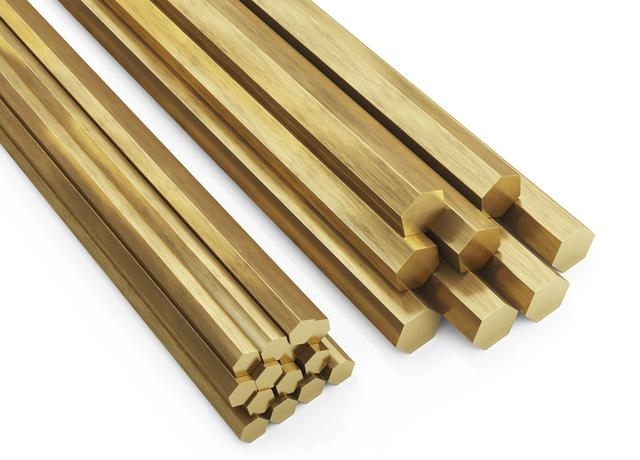
Basic classification of brass
Brass can be divided into two categories according to alloy composition and performance characteristics: ordinary brass and special brass.
· Ordinary brass is a copper-zinc alloy with zinc as the main alloying element.
· Special brass is based on ordinary brass, and other metal elements such as aluminum, nickel, tin, etc. are added to give it specific properties and functions.

Material classification basis
1. Copper content and alloy elements The performance and use of brass mainly depend on its copper content and the type and content of alloy elements.
According to the copper content, brass can be divided into two categories:
· High copper brass (such as H90, H80, etc.): It has a high copper content, high strength, hardness and wear resistance, and is suitable for manufacturing high-strength and wear-resistant parts.
· Low copper brass (such as H65, H70, etc.): It has a low copper content, good plasticity and corrosion resistance, and is suitable for manufacturing various structural parts, springs and conductive parts.
2. Addition of alloy elements In addition to copper, the alloy elements added to brass are also an important basis for classification. For example:
· Aluminum: The addition of aluminum enhances the hardness, strength and wear resistance of brass, and is often used to manufacture high-strength and wear-resistant parts.
· Nickel: The addition of nickel improves the corrosion resistance and high temperature performance of brass, and is suitable for manufacturing parts in high temperature and corrosive environments.
· Tin: The addition of tin increases the hardness and strength of brass, improves wear resistance and corrosion resistance, and is suitable for high-strength, wear-resistant and corrosion-resistant applications.

Basis for classification by application
1. Use environment The use environment is the key basis for selecting brass models. For example:
· Marine environment: brass with good corrosion resistance needs to be selected.
· High temperature environment: brass with good high temperature performance should be selected.
· Impact wear environment: brass with higher strength and hardness needs to be selected.
2. Performance requirements Select the appropriate brass model according to the specific performance requirements. For example:
· High strength requirements: when used to manufacture high-strength bolts, brass with high strength and hardness needs to be selected.
· Corrosion resistance requirements: when used to manufacture submarine pipelines and other applications that require corrosion resistance, brass with good corrosion resistance should be selected.
Wide application of brass
Brass is widely used in many fields due to its excellent mechanical properties, wear resistance and corrosion resistance. Brass can be divided into different types according to different material properties and application requirements. Correctly selecting and using the right type of brass is essential to ensure the quality and reliability of industrial and daily products.
By understanding the performance characteristics and application range of different types of brass, I believe you can better choose the material that best suits your production needs. Choose Zhejiang Mingxu Machinery Manufacturing Co., Ltd. as your parts supplier. We can select brass parts that are more suitable for your actual working conditions and escort your production and sales.




 English
 Español





Contact Us