



 English
 Español
MXB-JDBU Self-Lubricating Casting Bronze Bearing
Cat:Self-Lubricating Bearing
MXB-JDBU Self-Lubricating Casting Bronze Bearing is a high-performance solid lubricating product inlaid with graphite or mos2 solid lubricant on a hig...
See DetailsContent
Modern industrial equipment increasingly adopts sliding bearing systems that operate without external lubrication. Oil-free bearing and maintenance-free bearing technologies allow machines to run smoothly while reducing lubrication requirements, maintenance downtime, and contamination risks. In many applications such as automation equipment, construction machinery, and food processing lines, these bearings operate for thousands of hours without additional grease or oil, making them suitable for systems where regular servicing is difficult or costly.
Unlike rolling bearings that rely on balls or rollers, sliding bearings use a direct sliding contact surface. When designed with advanced composite materials or solid lubricants, they form an oil-free bearing structure capable of stable operation even under high loads, oscillating motion, or low speeds.

A sliding bearing operates through surface-to-surface contact between the shaft and the bearing liner. The friction between these surfaces is controlled through material engineering rather than continuous lubrication.
Oil-free bearings often contain solid lubricants embedded in the bearing layer. These materials release microscopic lubricating particles during operation, forming a thin film that reduces friction. Common materials include:
When the shaft begins rotating or oscillating, the lubricating components inside the bearing gradually spread across the contact surface. This process forms a stable transfer film that allows the bearing to function as a maintenance-free bearing system.
Oil-free bearings offer practical advantages in many mechanical systems. Their design eliminates many limitations associated with conventional lubricated bearings.
Field tests in industrial equipment have shown that maintenance-free sliding bearings can reduce lubrication-related maintenance by more than 60 percent in certain machinery systems.
| Bearing Type | Lubrication Requirement | Maintenance Frequency | Typical Applications |
|---|---|---|---|
| Rolling Bearing | Regular grease or oil | Frequent | High-speed rotating equipment |
| Conventional Sliding Bearing | Oil film lubrication | Moderate | Large rotating machinery |
| Oil-Free Sliding Bearing | No external lubrication | Very low | Automation, construction equipment |
Maintenance-free bearings are widely used in industries where lubrication is difficult, contamination must be avoided, or operational reliability is critical.
For example, construction equipment with dozens of pivot points can use oil-free sliding bearings to reduce lubrication points. This can significantly shorten maintenance cycles and reduce operational costs.
To achieve reliable performance, engineers must consider several factors when selecting or designing a sliding bearing system.
Sliding bearings can support high static loads, but the allowable pressure depends on the bearing material and operating conditions.
Oil-free bearings perform particularly well in low-speed rotation, oscillating motion, or intermittent operation where rolling bearings may experience lubrication problems.
Temperature, dust, moisture, and chemical exposure influence bearing selection. Some composite bearings operate effectively in environments exceeding 200°C or in corrosive industrial conditions.
Advances in material science continue to expand the capabilities of oil-free bearings. New composite materials, nano-lubricant additives, and surface treatments are improving load capacity and wear resistance.
As industrial systems increasingly focus on automation and reduced maintenance, maintenance-free bearing technologies are becoming a standard solution. Their ability to operate without lubrication systems simplifies machine design and improves long-term reliability.
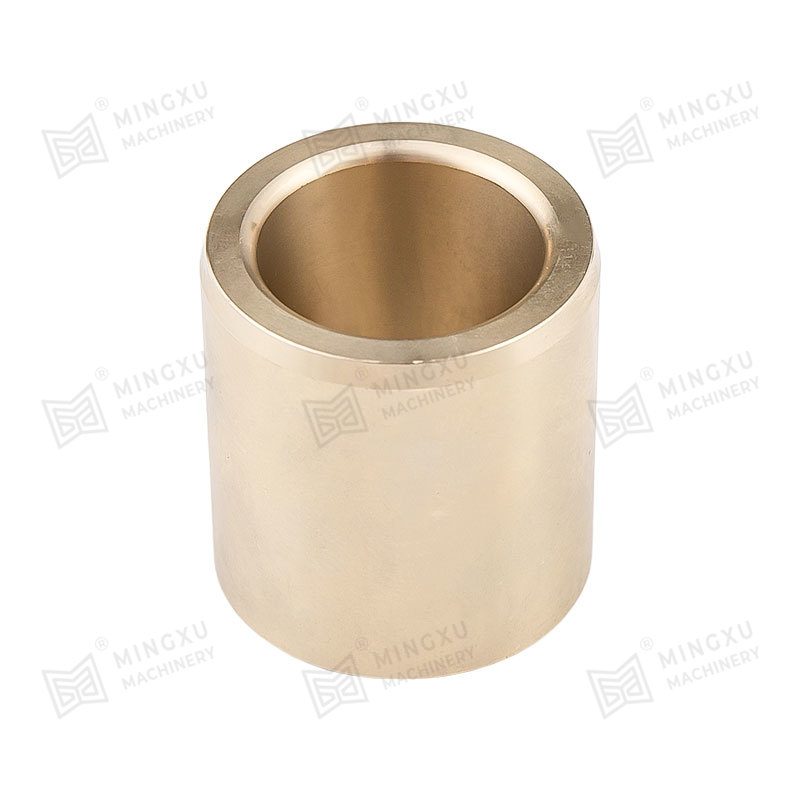
MXB-JDBU Self-Lubricating Casting Bronze Bearing is a high-performance solid lubricating product inlaid with graphite or mos2 solid lubricant on a hig...
See Details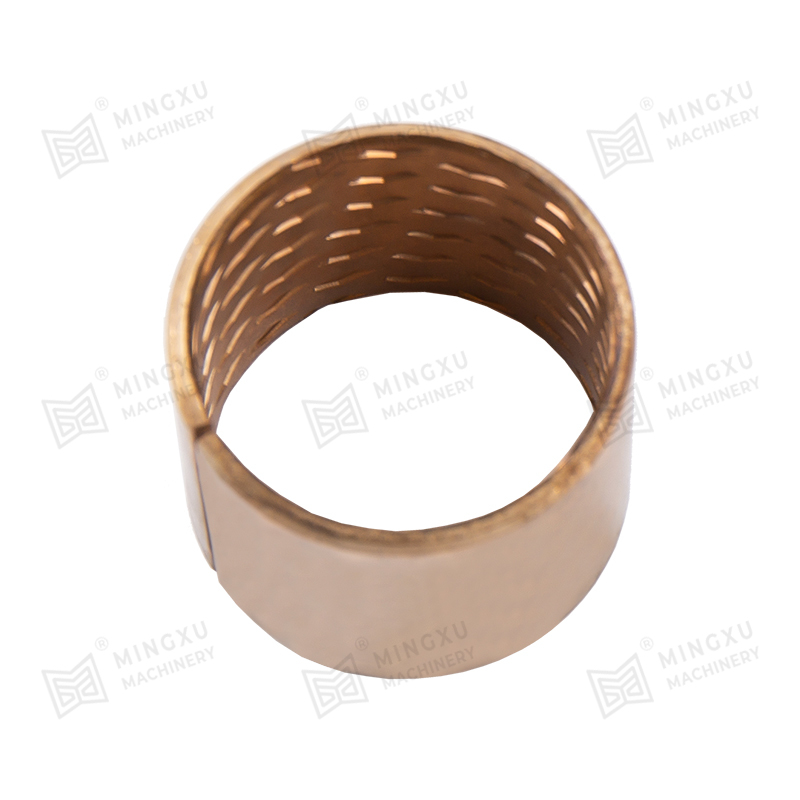
FB090 bronze bearings are made of tin bronze alloy CuSn8. The surface can be rolled with diamond or hemispherical oil holes and oil grooves according ...
See Details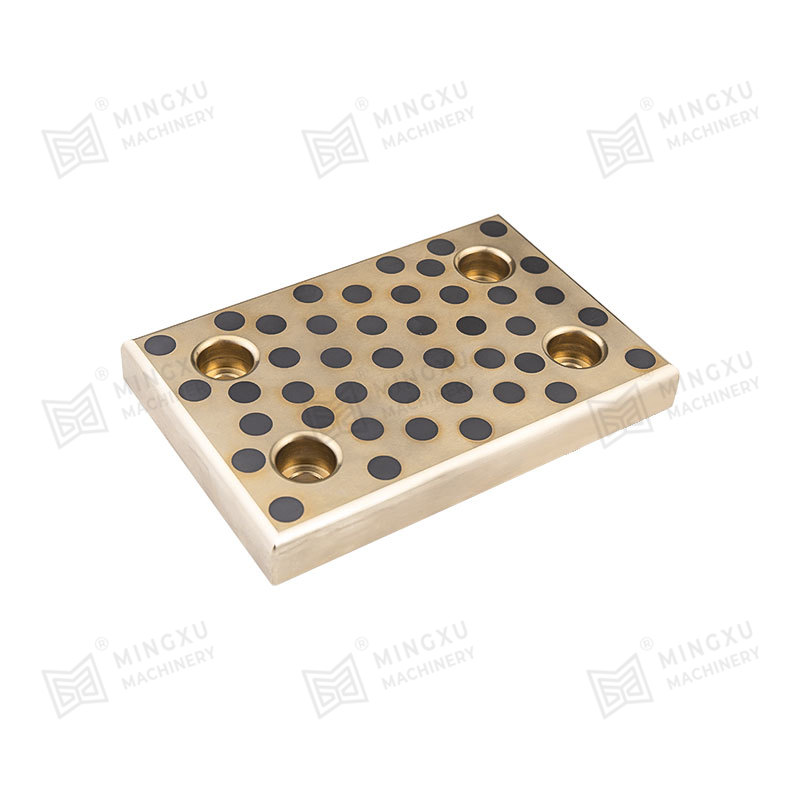
MXB-JESW slide plates are 2-hole and 4-hole wear-resistant heavy-duty slide plates. They are standardized products and compatible with many brands, su...
See Details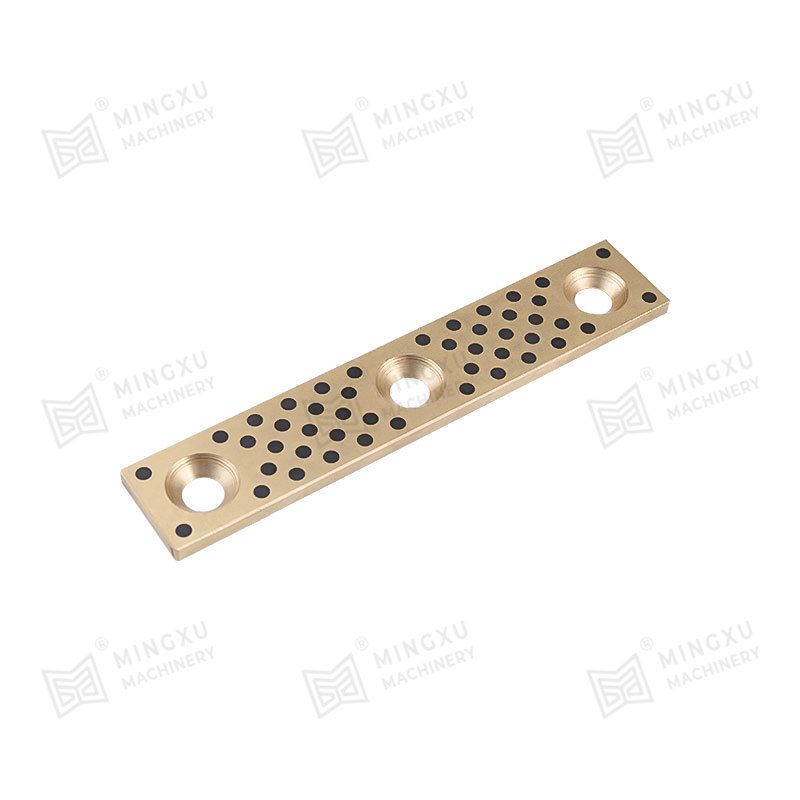
MXB-JUWP self-lubricating wear-resistant plate is a 5mm thick self-lubricating graphite inlaid wear-resistant plate developed and produced by Mingxu M...
See Details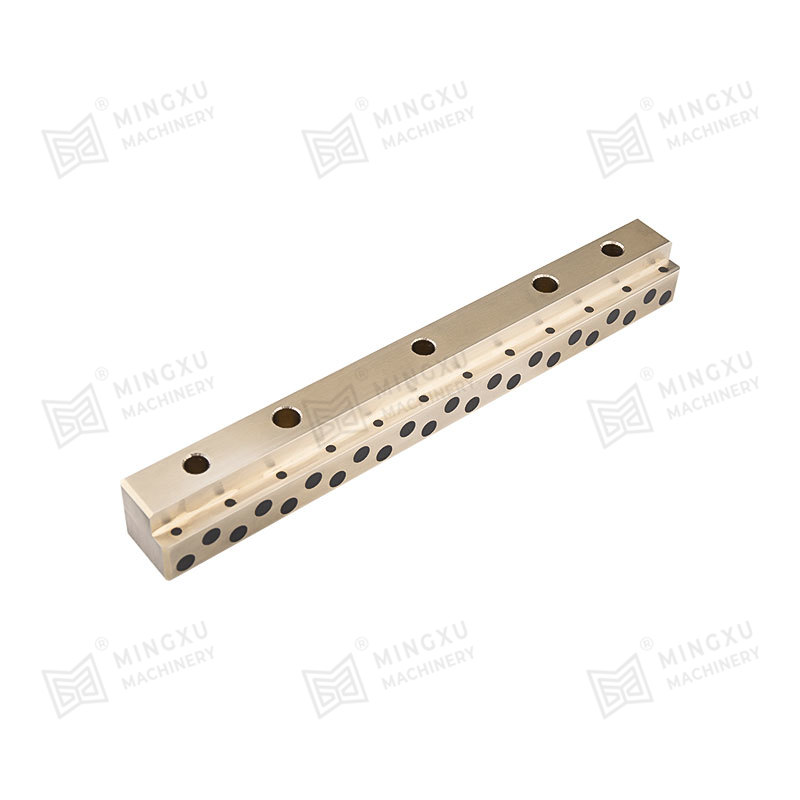
MXB-JGLXS guide rails are parts installed on both sides of the side core-pulling slider to ensure that the side core-pulling slider moves back and for...
See Details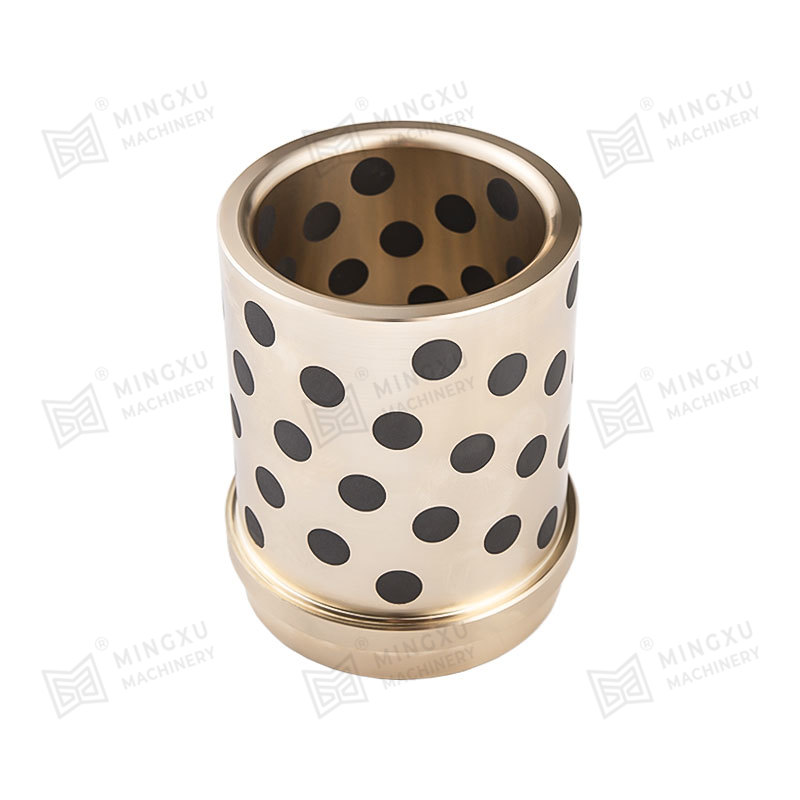
MGB61 NAAMS Standard Guide Bushing is a reliable solution for precise, smooth guide applications. This guide bushing is designed to meet NAAMS standar...
See Details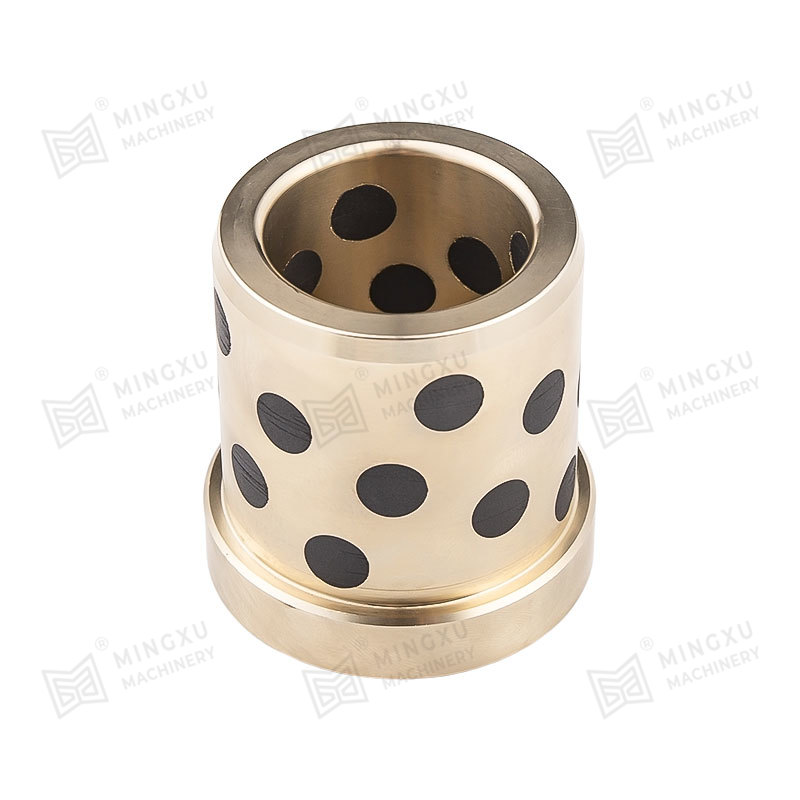
MJGBF oil-free injection guide bushings are components used in the plastic injection molding process to further improve manufacturing efficiency by en...
See Details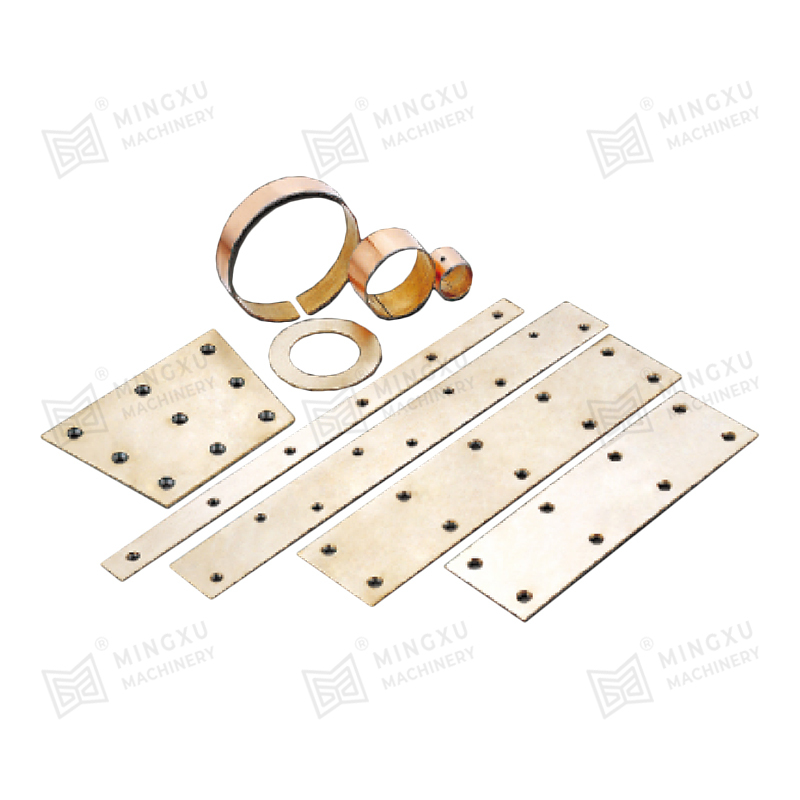
MX2000-1 graphite embedded alloy bearing, MX2000-1 graphite scattered alloy bearing is an improved product of JF800 bimetallic bearing. It has the pre...
See Details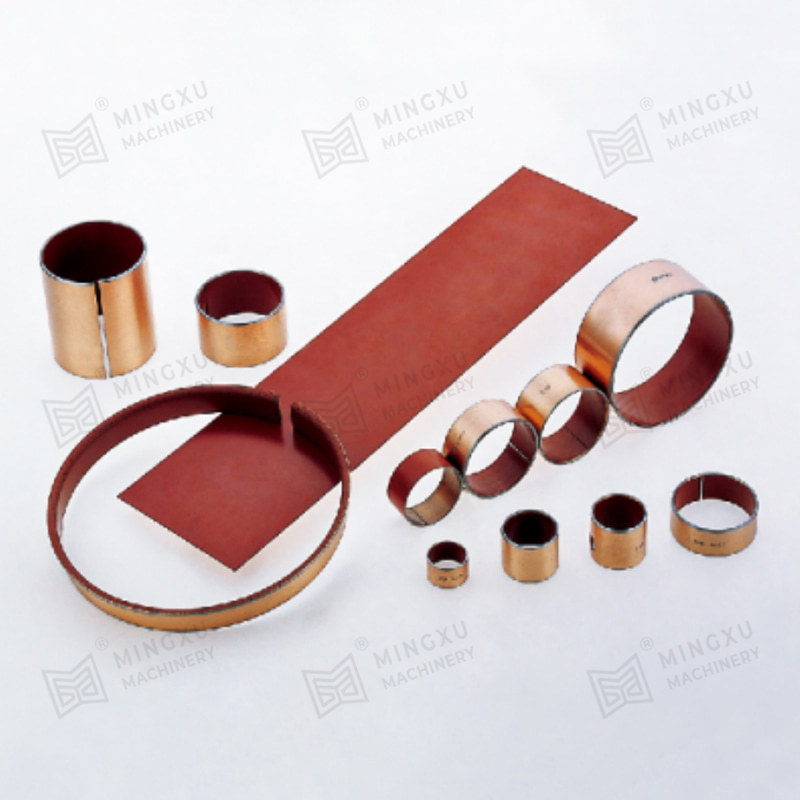
SF-1D hydraulic bearing is a new type of material designed based on SF-1P and combining the working principle of oil cylinder and shock absorber. It i...
See Details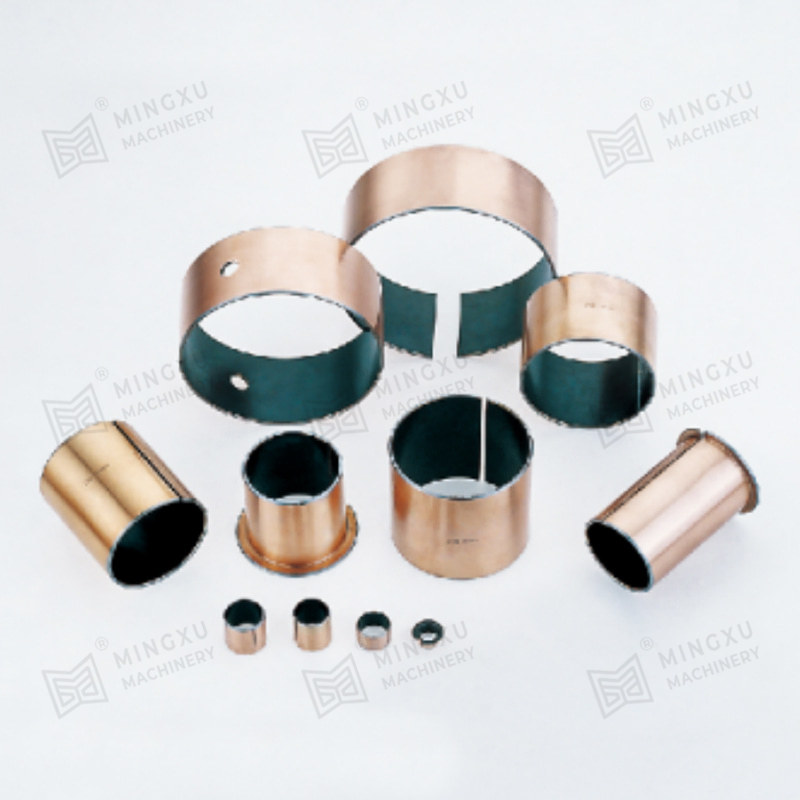
SF-1T is a special formula product designed for high PV value working conditions of gear oil pump. The product has special advantages of fatigue resis...
See Details
 Tel: +86-136-6679-1592
 E-mail: [email protected]


Contact Us