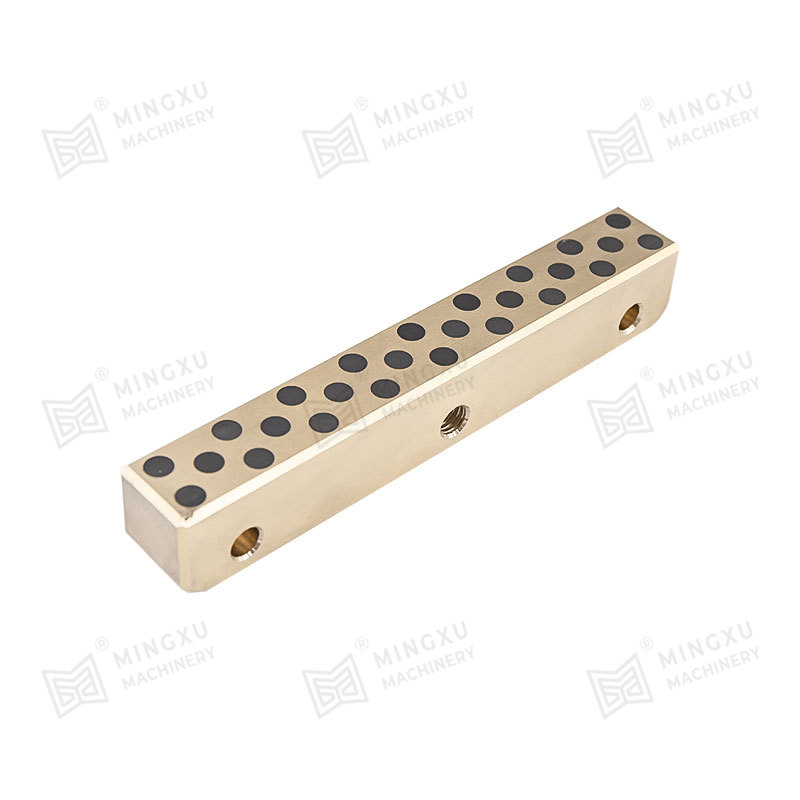
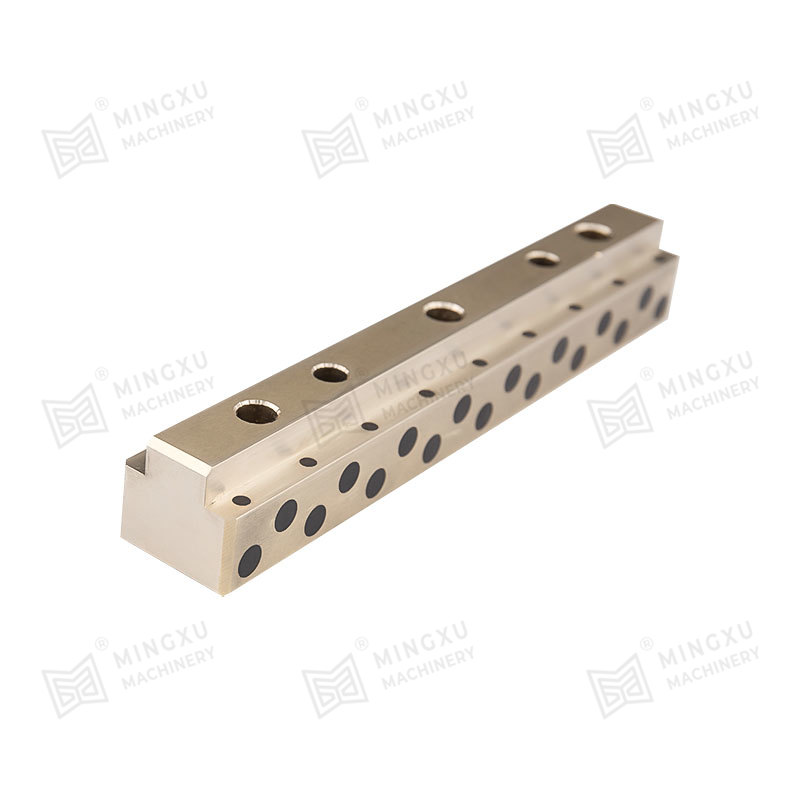
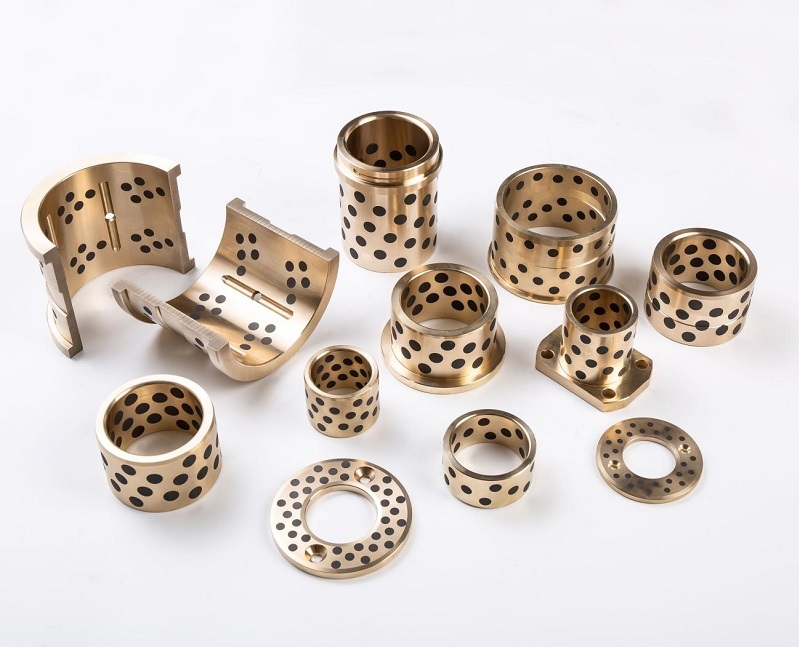
Self-Lubricating Wear Plates and Self-Lubricating Guide Rails are mechanical components designed to reduce friction between moving surfaces without relying on external lubrication. These components contain solid lubricants embedded within the base material, allowing continuous lubrication during operation. The result is lower maintenance requirements, reduced wear, and stable operation under high loads or slow-speed conditions.
In many industrial systems, traditional lubrication methods can become unreliable due to contamination, high temperatures, or limited accessibility. Self-lubricating materials address these challenges by releasing lubricating particles during sliding contact. This mechanism maintains a thin lubricating film between surfaces, preventing metal-to-metal contact and extending the service life of both the wear plate and the mating component.
These components are widely used in heavy equipment, mold systems, lifting machinery, and automated production lines. When properly selected, they help maintain consistent motion accuracy and significantly reduce downtime caused by lubrication failures.
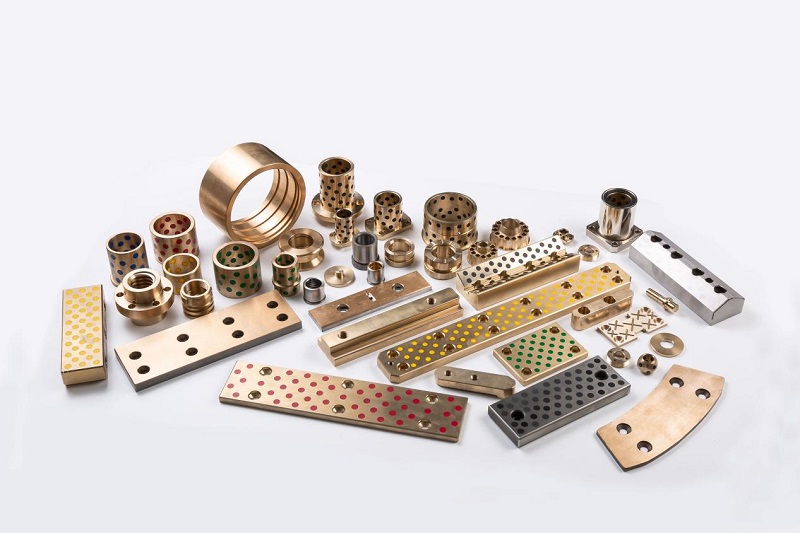
Working Principle of Self-Lubricating Sliding Components
The key function of a self-lubricating wear plate or guide rail lies in the interaction between the base material and the embedded lubricant. Under load and sliding motion, the lubricating particles gradually form a thin film on the contact surface. This film reduces friction and distributes stress evenly across the contact area.
Embedded Solid Lubricant Technology
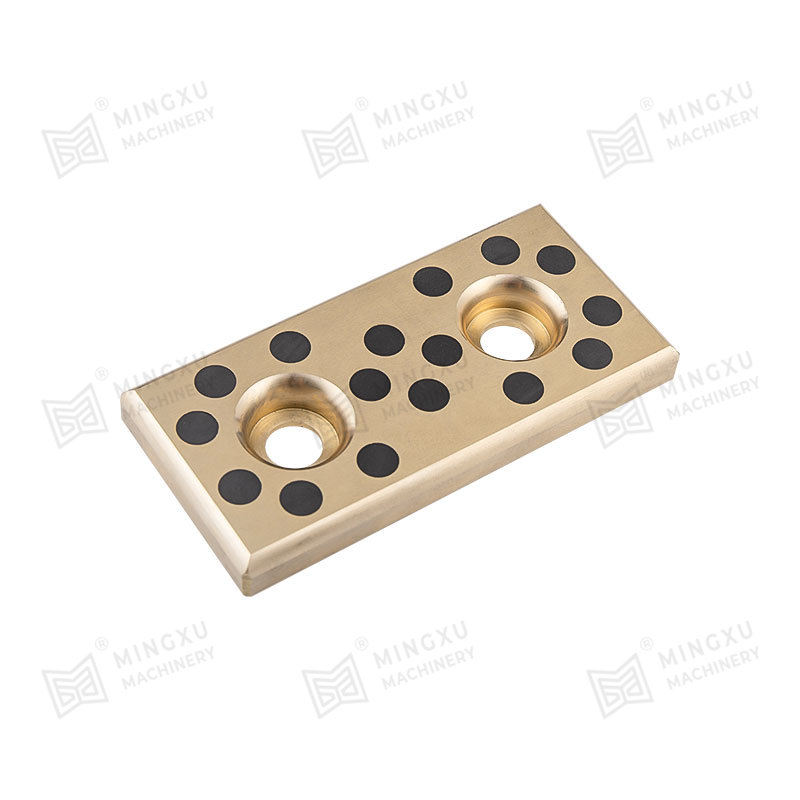
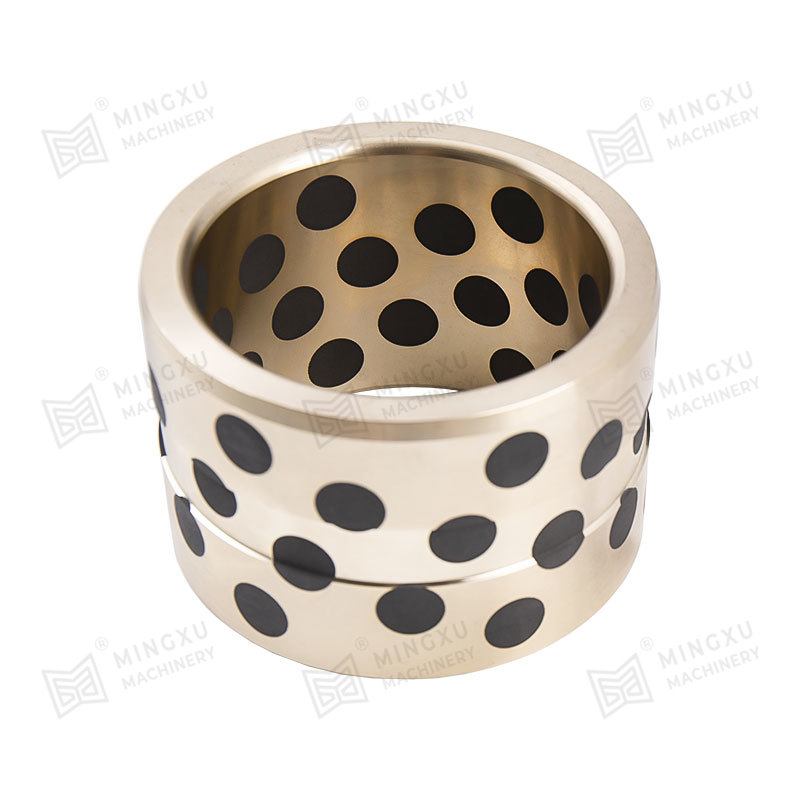
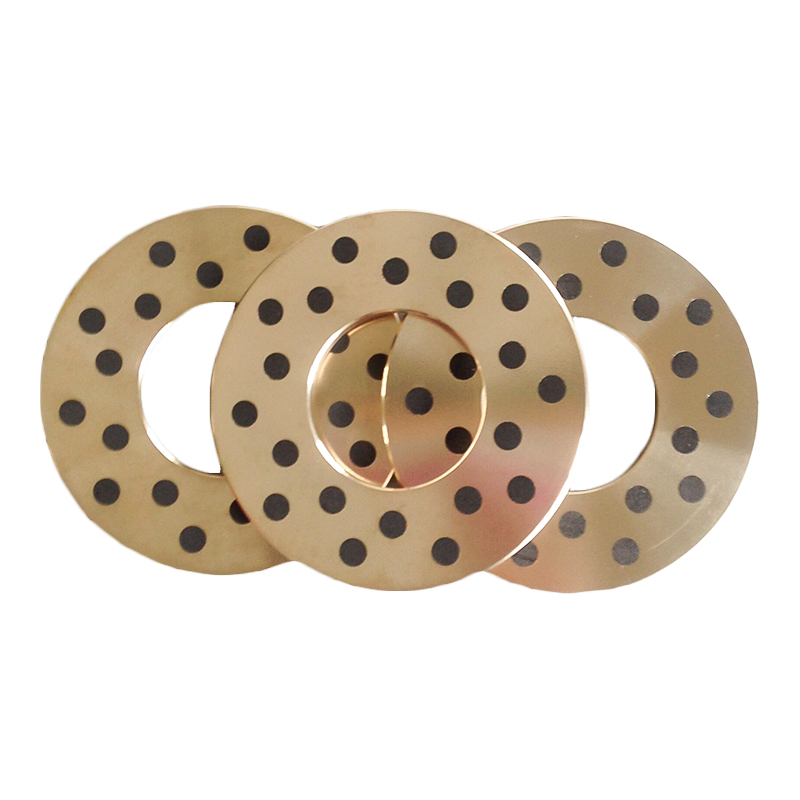
Many wear plates incorporate solid lubricants such as graphite or other engineered compounds inserted into the base material matrix. As sliding occurs, these lubricants are slowly released, creating a continuous lubrication layer. Because the lubricant is contained within the component itself, external oil or grease becomes unnecessary in many applications.
Load Distribution and Surface Protection
Self-lubricating guide rails distribute mechanical loads across a larger surface area. This reduces localized stress and prevents premature wear. Industrial systems operating under loads exceeding 100 MPa of surface pressure can still maintain stable movement when proper wear plate materials are selected.
Typical Materials Used in Self-Lubricating Wear Plates
Different applications require different base materials for wear plates and guide rails. Material selection affects load capacity, temperature tolerance, and resistance to corrosion or contamination. The following table outlines common material types used in industrial self-lubricating components.
Common material structures used for self-lubricating wear plates and guide rails
| Material Type |
Structure |
Key Characteristics |
Typical Applications |
| Bronze with graphite inserts |
Metal base with solid lubricant plugs |
High load capacity and good thermal stability |
Mold bases and heavy machinery |
| Steel-backed composite plates |
Layered metal and polymer structure |
Low friction and good wear resistance |
Industrial automation equipment |
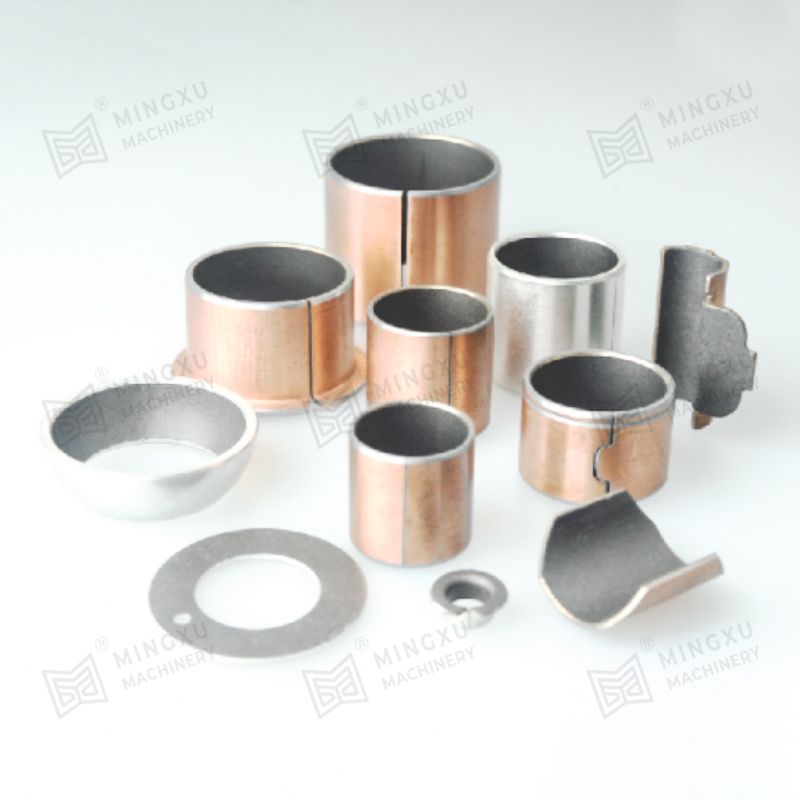
| Polymer composite plates |
Engineering plastic with lubricant fillers |
Corrosion resistance and lightweight structure |
Food processing and light equipment |
Industrial Applications of Self-Lubricating Guide Rails
Self-lubricating guide rails are widely used in mechanical systems that require controlled linear motion. Because these systems operate repeatedly and often under heavy loads, consistent friction control is essential for maintaining accuracy and durability.
- Injection mold guide systems
- Hydraulic machinery sliding structures
- Heavy-duty lifting platforms
- Automated manufacturing equipment
- Steel production and rolling line machinery
In mold manufacturing, for example, self-lubricating wear plates help guide mold halves during opening and closing cycles. A typical injection mold may complete hundreds of thousands of cycles each year. Using traditional lubrication in such environments can lead to grease contamination and uneven wear. Self-lubricating materials maintain smooth sliding motion throughout repeated operations.
Performance Advantages Compared with Conventional Sliding Components
Compared with conventional wear plates that rely on grease or oil, self-lubricating components offer several practical advantages in industrial environments.
- Reduced maintenance because no external lubrication system is required
- Stable friction performance during long operating cycles
- Improved reliability in dusty or contaminated environments
- Lower risk of lubricant leakage affecting surrounding equipment
Field testing in heavy machinery applications has shown that properly designed self-lubricating wear plates can extend component service life by 2 to 3 times compared with conventional sliding plates under similar load conditions. This improvement significantly reduces maintenance intervals and operational downtime.
Selection Considerations for Self-Lubricating Wear Plates and Guide Rails
Selecting the correct self-lubricating wear plate or guide rail requires evaluating several operating conditions. Each application places different demands on load capacity, sliding speed, and environmental resistance.
Load and Contact Pressure
High-load equipment such as construction machinery or stamping presses requires metal-based wear plates capable of handling significant surface pressure. Bronze-based plates with solid lubricants are commonly selected for these conditions.
Operating Temperature
Industrial environments may involve elevated temperatures that degrade conventional grease lubrication. Self-lubricating materials maintain sliding performance across a broader temperature range, depending on the material composition.
Environmental Exposure
Applications exposed to water, dust, or chemical contaminants benefit from materials that resist corrosion and maintain lubrication without external oils. Polymer composites and specialized metal alloys are commonly used in these situations.
By evaluating these operating parameters, engineers can select wear plate and guide rail solutions that maintain reliable sliding performance over long service cycles while reducing the need for regular maintenance.




 English
 Español





Contact Us