Lubricants come in a variety of forms, similar to the polymorphism of matter. Lubricants include not only gases, liquids, and greases, but also solids. Although industrial lubrication mostly relies on fluids and greases, these forms of lubrication are not always applicable in specific operating environments, so solid lubricants came into being.
Solid lubricants mainly work under boundary lubrication conditions, and they reduce friction by forming a thin film on the surface of moving parts. This film is often called a "tribofilm", which not only acts as a protective barrier to prevent adhesive wear, but also effectively reduces the friction between surfaces. The particles of solid lubricants have extremely low shear strength, which helps reduce friction and wear.
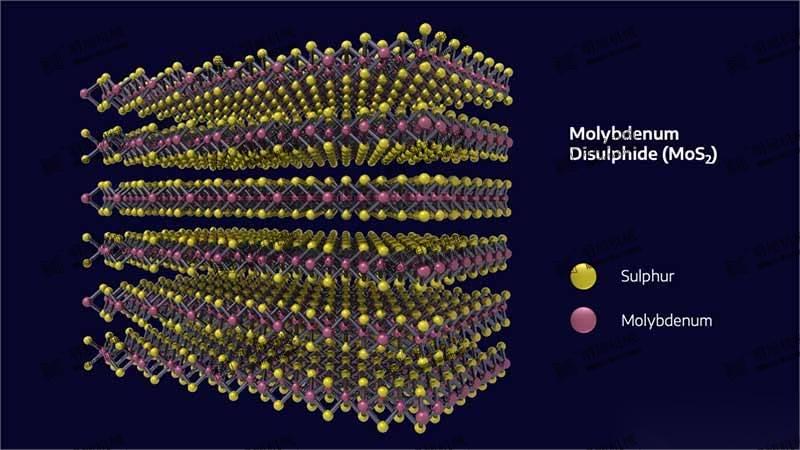
The friction-reducing properties of solid lubricants are closely related to their structure. In general, solid lubricants are composed of atomically thin layers of solid materials, which are like a stack of playing cards, bonded to each other by weak van der Waals forces, and easily slip under relative motion, thereby achieving a lubricating effect.
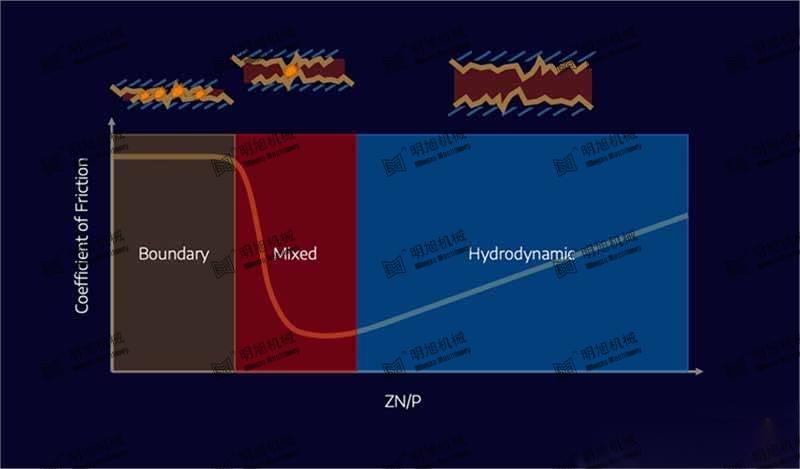
The friction-reducing properties of solid lubricants are closely related to their structure. In general, solid lubricants are composed of atomically thin layers of solid materials, which are like a stack of playing cards, bonded to each other by weak van der Waals forces, and easily slip under relative motion, thereby achieving a lubricating effect. The thickness of the tribofilm is critical to lubrication performance. Thinner films generally have lower friction coefficients and less wear, while too thick films may increase friction and wear. Factors that affect the thickness of the friction film include the type of solid lubricant, the load of the moving parts, and the lubrication environment.
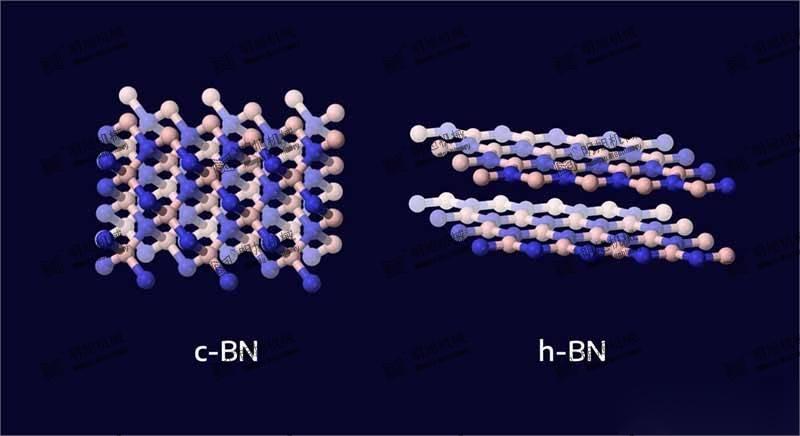
Different types of solid lubricants are adapted to different working environments. For example, graphite, as a natural form of carbon, has excellent high-temperature lubrication properties and is widely used in high-temperature environments with a low friction coefficient; molybdenum disulfide (MoS₂) performs well under high pressure and high temperature conditions and is also an ideal choice for low friction coefficients; boron nitride (BN) is composed of boron and nitrogen elements, suitable for high temperature and high pressure environments, and has good thermal shock resistance; while fluoropolymers (such as polytetrafluoroethylene PTFE) rely on the close arrangement of its external fluorine atoms to provide lubrication through molecular slip, which is particularly effective in environments below 260°C and has good chemical stability.
Solid lubricants are widely used in scenarios where liquid lubricants and greases are not applicable, especially in the aerospace field. Dry lubrication coatings have been widely used in spacecraft and satellites because they can cope with extreme environments in space. In the industrial field, greases containing solid lubricants are used in high-load, low-speed applications to provide excellent wear protection.
With the advancement of science and technology, the research on solid lubricants is deepening. Nanocomposite solid lubricants, which combine nanoparticles of various solid oils, show great potential in high temperature and high pressure environments. As companies increase their demand for sustainable solutions, the application of solid lubricants may become more and more extensive, and the trend of injecting solid lubricants into machine surfaces and even completely replacing liquid lubricants with solid lubricants will become more and more obvious.
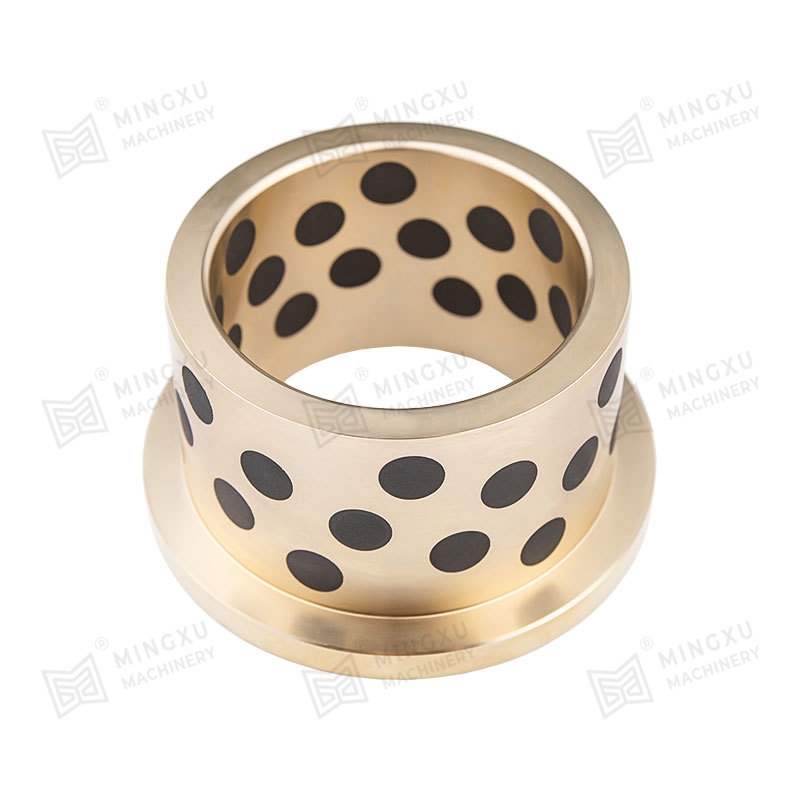
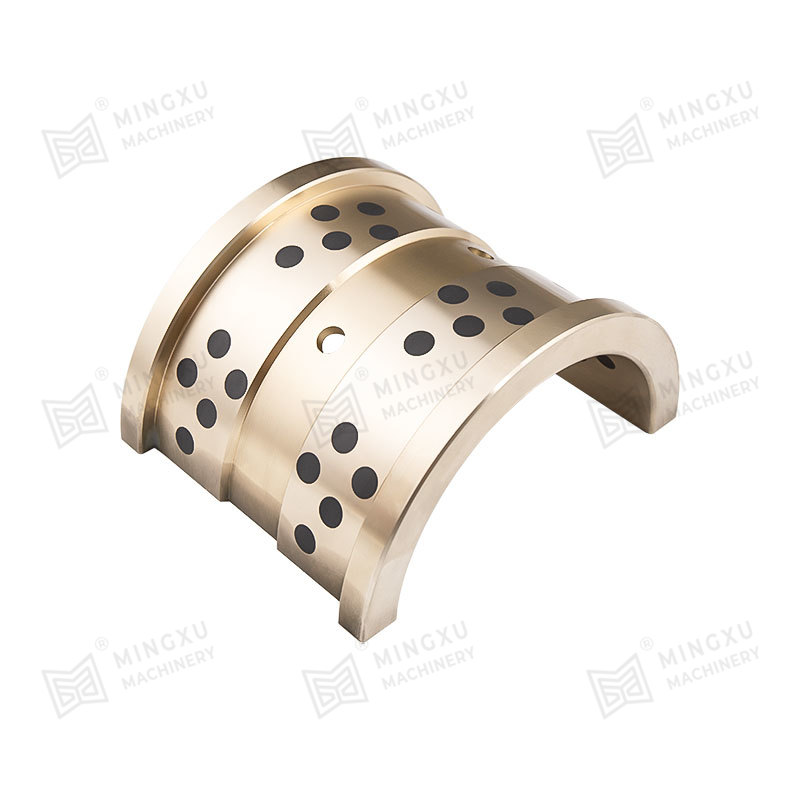
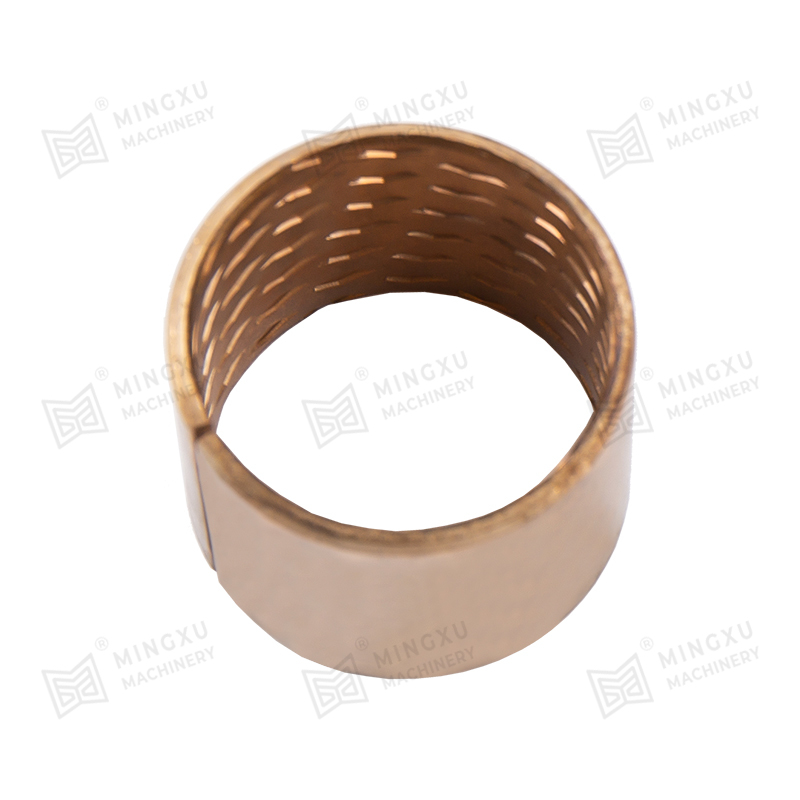
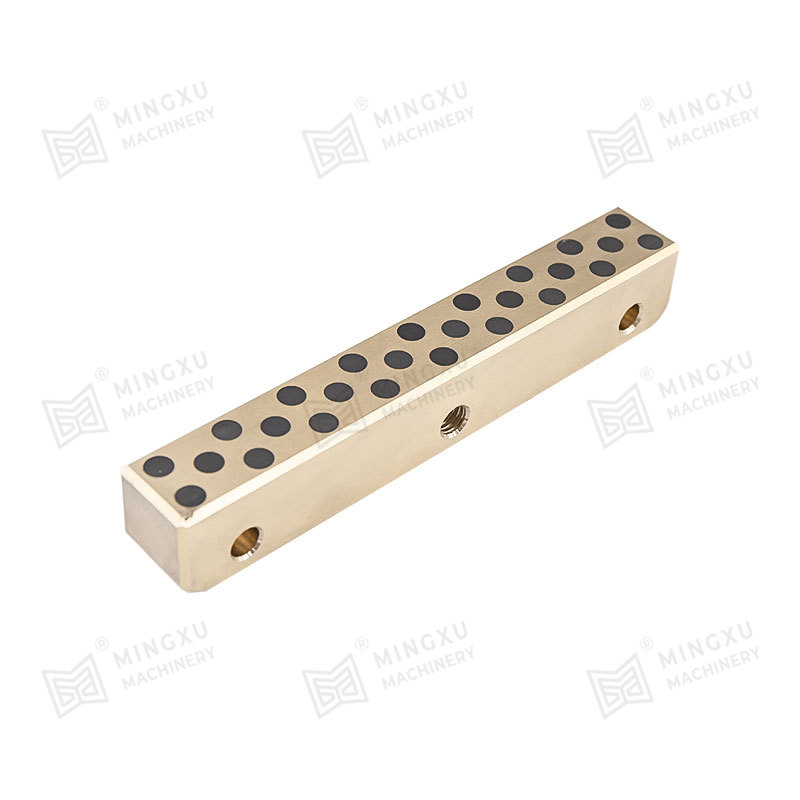
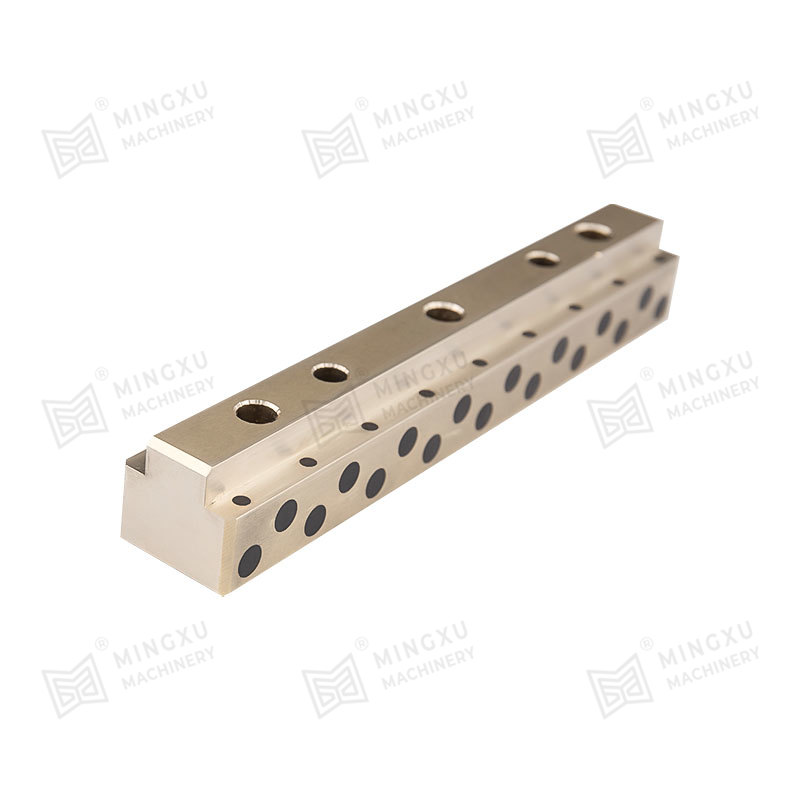
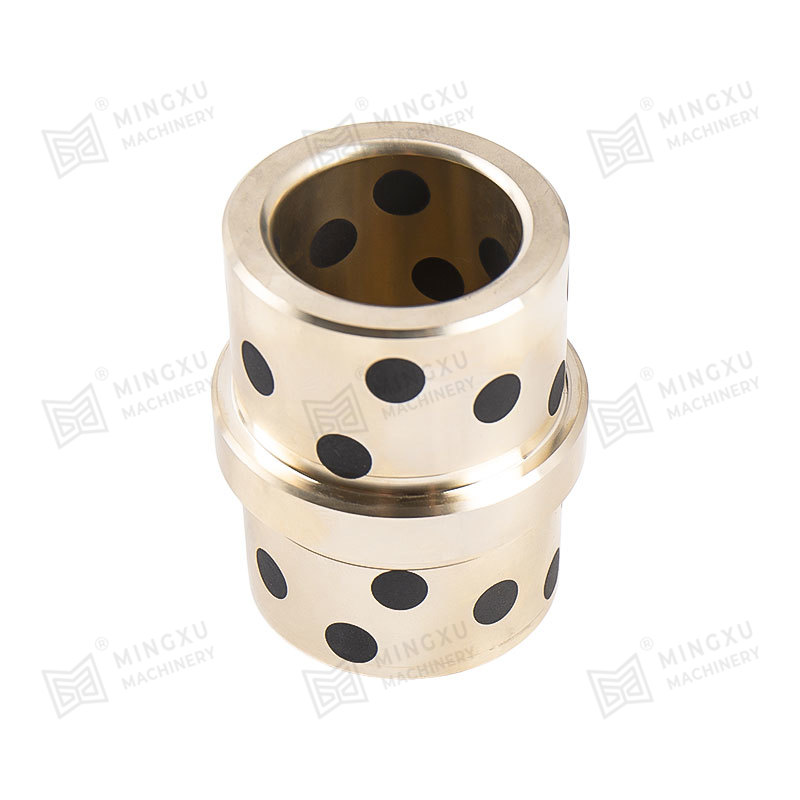
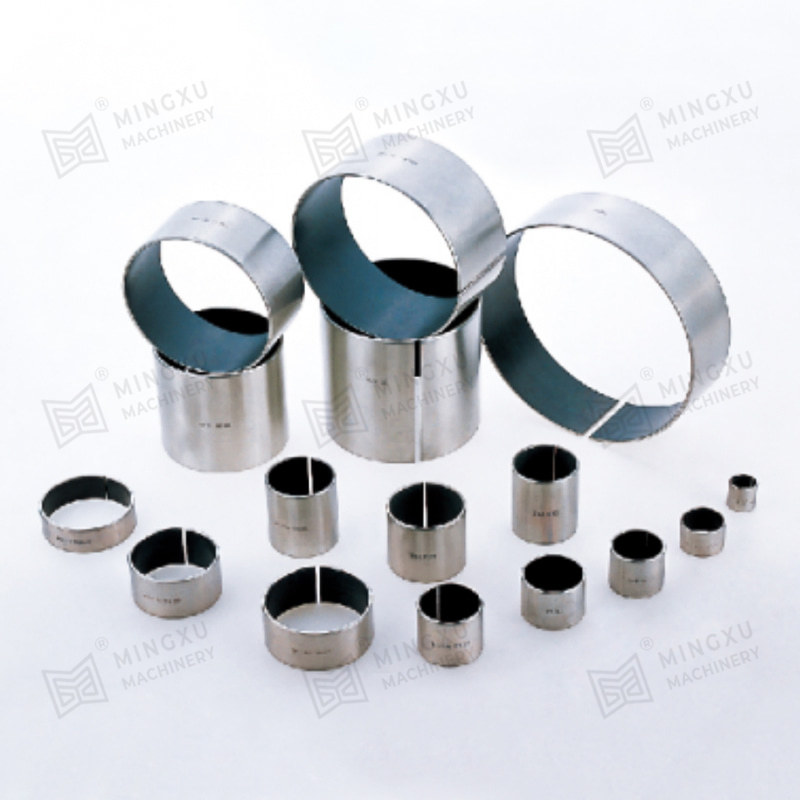
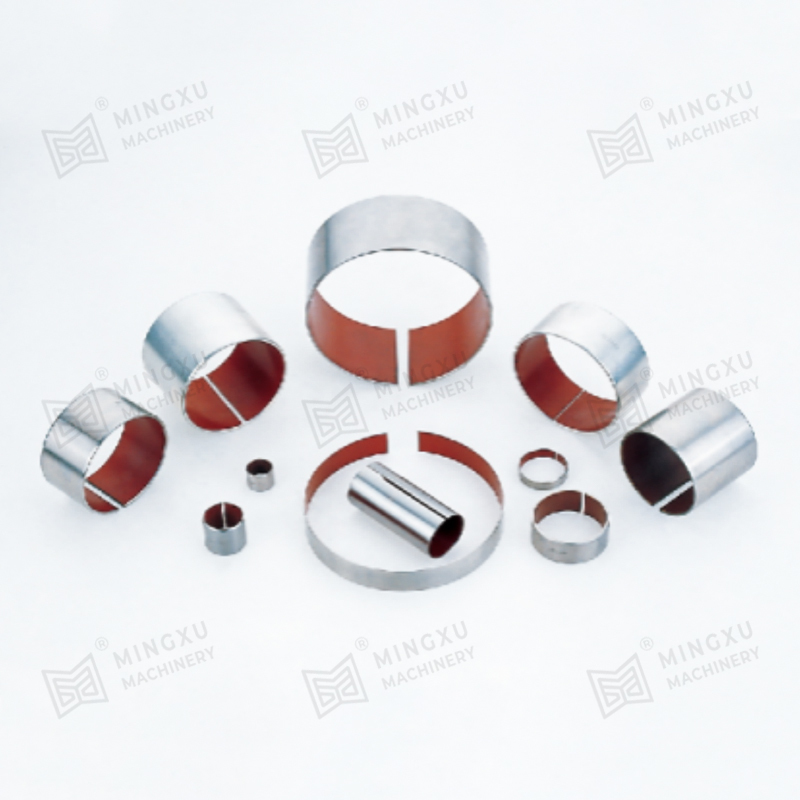
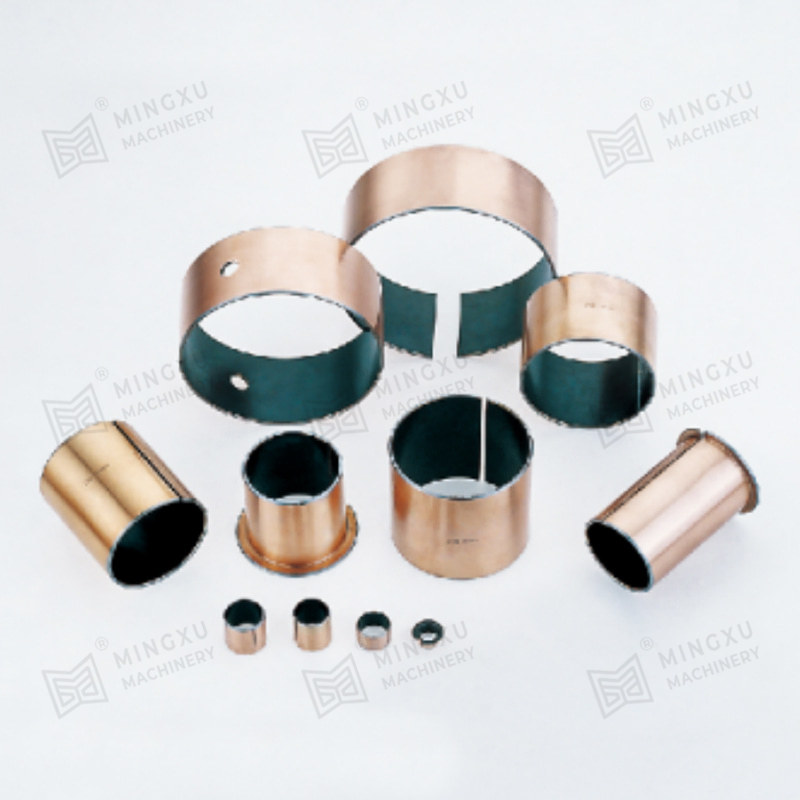
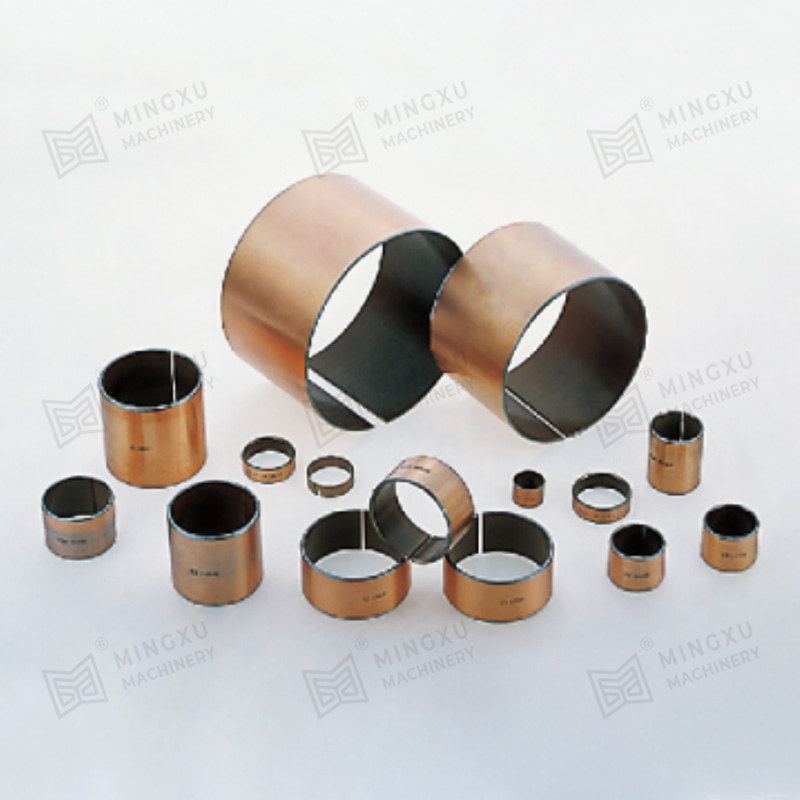
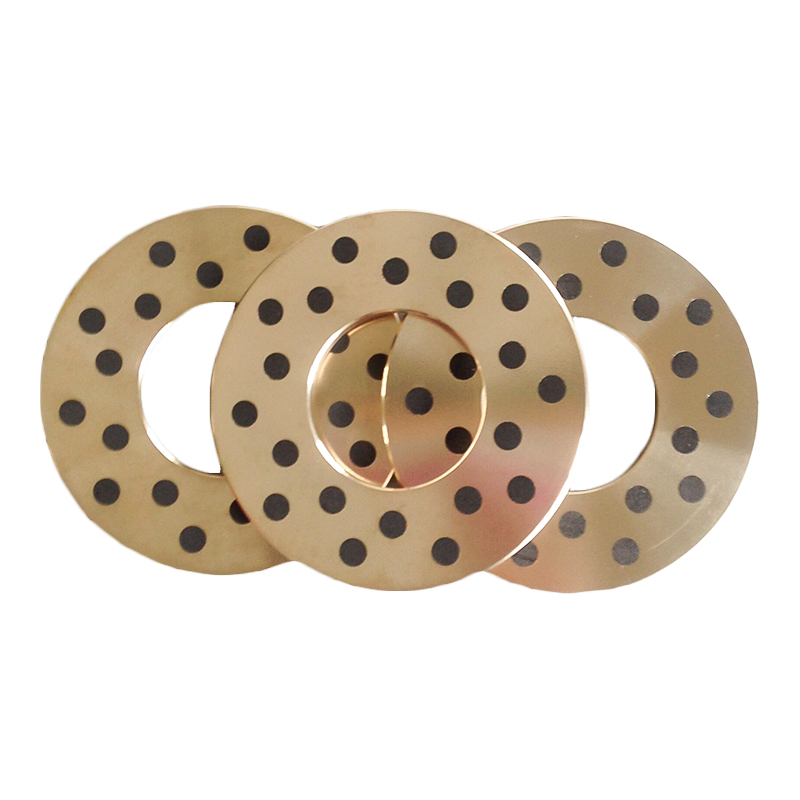
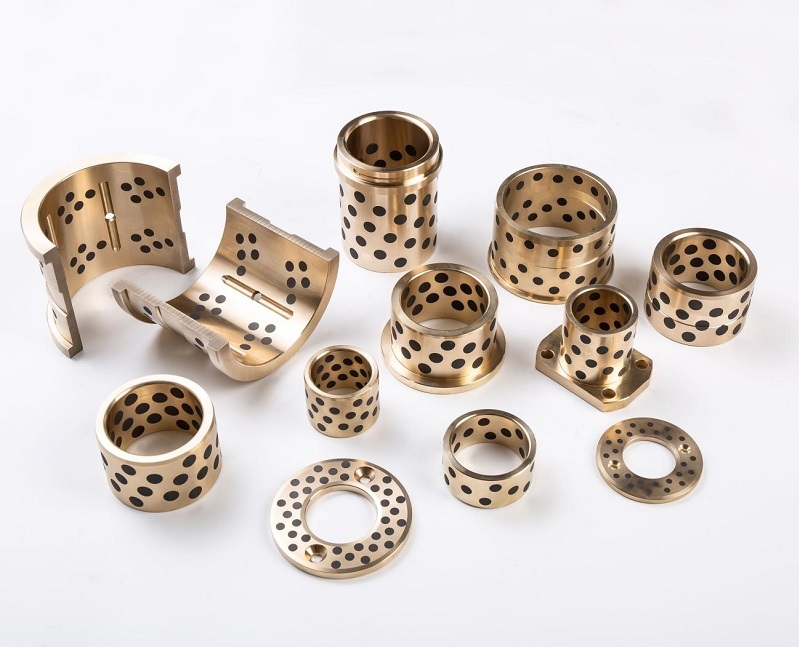
Zhejiang Mingxu Machinery Manufacturing Co., Ltd. specializes in the R&D and production of copper alloy components and self-lubricating bearing bushings for more than ten years. It has rich production experience and technology accumulation. Please feel free to contact us at [email protected] for any product and technical questions.




 English
 Español





Contact Us