



 English
 Español
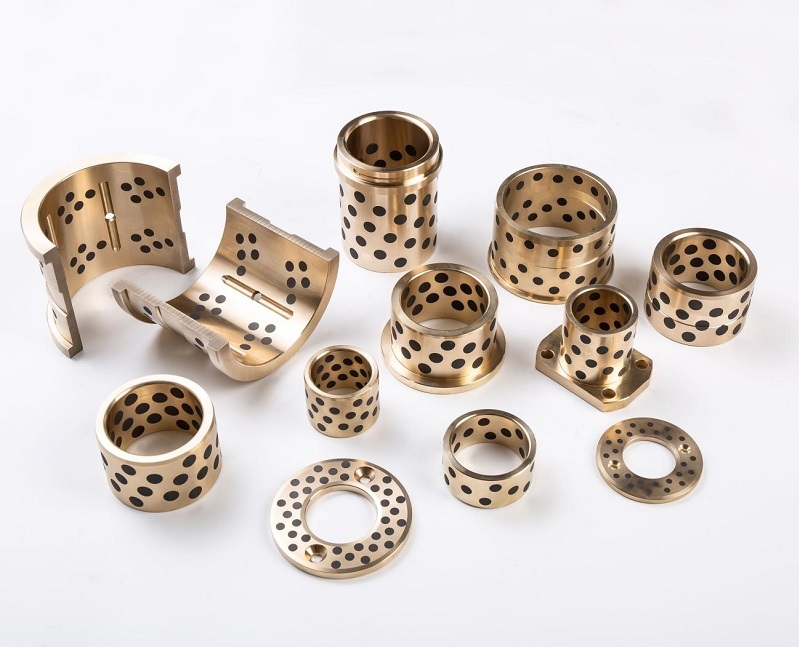
MXB-JTW Metric Thrust Washer For Vehicle Transmissions
Cat:Self-Lubricating Bearing
MXB-JTW metric thrust washers are based on high-strength brass (ZCuZn25Al6), with solid lubricant (graphite or molybdenum disulfide) embedded in the m...
See DetailsSelecting the appropriate base material for solid-lubricating bearings—whether bronze, steel, or ceramic—requires careful consideration of several performance factors, depending on the specific application and operational environment. Here are the key factors to consider when choosing between these materials:
1. Load Capacity and Strength
Bronze Bearings:
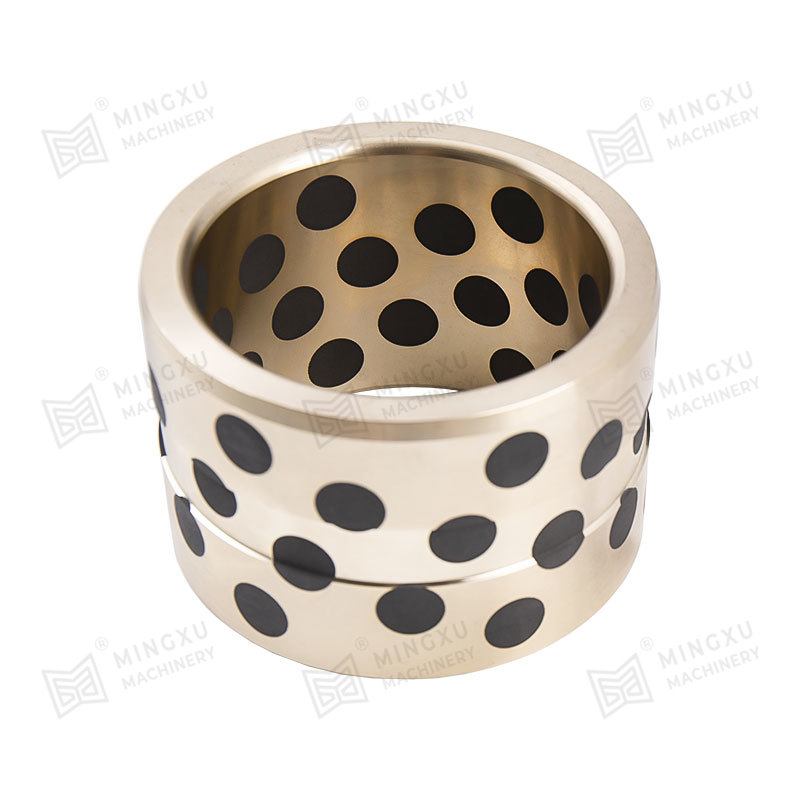
Bronze alloys (such as CuSn or CuAl) are known for their good load-bearing capacity and ability to withstand moderate to high loads. They also provide excellent wear resistance due to their ability to embed solid lubricants like graphite and MoS₂.
Best for: Applications requiring moderate load capacity with a focus on wear resistance and corrosion resistance.
Steel Bearings:
Steel (particularly stainless steel) offers higher tensile strength and can handle heavy loads more effectively than bronze or ceramics. However, the friction may increase without sufficient lubrication.
Best for: High-load applications where high strength and rigidity are required, and lubrication can be controlled effectively.
Ceramic Bearings:
Ceramics (such as silicon nitride (Si₃N₄) or zirconia (ZrO₂)) offer exceptional hardness and the ability to handle extreme loads and high speeds without significant wear. However, they are brittle and prone to cracking under impact or heavy shock loads.
Best for: Applications where extreme hardness, high speeds, and high-temperature resistance are essential, but with minimal impact or shock forces.
2. Operating Temperature Range
Bronze Bearings:
Bronze can withstand moderate temperatures (up to around 300–400°C) before the lubricant begins to degrade. It has better heat dissipation than many polymers.
Best for: Applications with moderate temperature requirements where continuous operation at higher temperatures isn't necessary.
Steel Bearings:
Steel can handle higher temperatures than bronze, particularly stainless steel or nickel-based superalloys, which can withstand temperatures up to 600–700°C. They also have good thermal conductivity, helping prevent localized overheating.
Best for: High-temperature applications where both strength and heat resistance are critical.
Ceramic Bearings:
Ceramics are highly resistant to extreme temperatures, often performing well in environments above 1000°C without degradation. This makes them ideal for extreme conditions where metals would fail.
Best for: High-temperature and high-speed applications in extreme environments like aerospace, turbines, and semiconductor fabrication.
3. Corrosion and Environmental Resistance
Bronze Bearings:
Bronze offers excellent corrosion resistance, particularly in marine and chemical environments. It is less prone to rust compared to steel and performs well in moist, humid, or chemically aggressive environments.
Best for: Applications where corrosion resistance is a key factor, such as in marine equipment, chemical processing, or automotive components exposed to salt.
Steel Bearings:
Stainless steel is highly resistant to corrosion but is still prone to rusting in certain aggressive environments unless coated with specialized corrosion-resistant coatings. Alloy steels with coatings like nickel-plating or chrome plating can offer additional protection.
Best for: Environments that are non-corrosive or require additional surface treatment for rust resistance.
Ceramic Bearings:
Ceramics are inherently corrosion-resistant and unaffected by acids, alkalis, or seawater. They are ideal for harsh chemical environments where metals might corrode.
Best for: Chemical, marine, or extreme environmental conditions where metals and polymers would degrade.
4. Wear Resistance and Longevity
Bronze Bearings:
Bronze provides good wear resistance when combined with solid lubricants (e.g., graphite), offering long-lasting performance in applications where continuous operation is required.
Best for: Long service life in moderate-load environments, particularly where low maintenance is needed.
Steel Bearings:
Steel, particularly hardened steel, offers excellent wear resistance and is suitable for high-load, high-precision applications. However, its performance depends on lubrication, and without it, steel may experience higher wear rates.
Best for: Heavy-load applications where high wear resistance and strength are required, like machinery and automotive applications.
Ceramic Bearings:
Ceramic materials are extremely hard and can withstand abrasive wear better than most metals. They are also more resistant to wear in high-speed operations. However, they are vulnerable to impact damage.
Best for: High-speed or abrasive environments where wear resistance is critical, such as turbines, motors, and aerospace components.
5. Friction and Lubrication Requirements
Bronze Bearings:
Bronze works very well with solid lubricants like graphite, MoS₂, and PTFE integrated into the bearing material, providing effective self-lubrication.
Best for: Low to medium-speed applications where friction reduction is important, and maintenance requirements for lubrication are low.
Steel Bearings:
Steel bearings typically require external lubrication (grease or oil) to achieve optimal friction reduction and reduce wear. Without lubrication, steel’s friction and wear rates can be high.
Best for: Heavy-duty applications requiring high-strength, but external lubrication is needed for optimal performance.
Ceramic Bearings:
Ceramic bearings offer very low friction compared to metals and often operate without external lubrication, although they can benefit from solid lubrication or special coatings.
Best for: High-speed applications or dry environments where external lubrication is either impractical or unnecessary.
6. Cost and Availability
Bronze Bearings:
Cost-effective compared to steel and ceramics, and widely available. Bronze is generally easier to machine and has lower material costs than ceramics.
Best for: Budget-conscious applications where performance is needed but cost constraints exist.
Steel Bearings:
Steel is relatively affordable and widely available, especially in stainless steel and alloy steel variants. However, the cost of high-performance steel alloys and special coatings can increase.
Best for: Cost-effective high-strength applications requiring custom machining.
Ceramic Bearings:
Ceramic bearings are generally more expensive due to the material and precision required for manufacturing. They are typically used in high-performance or specialty applications.
Best for: Niche or high-end applications where cost is less of a concern, such as in aerospace, medical devices, and high-speed machinery.
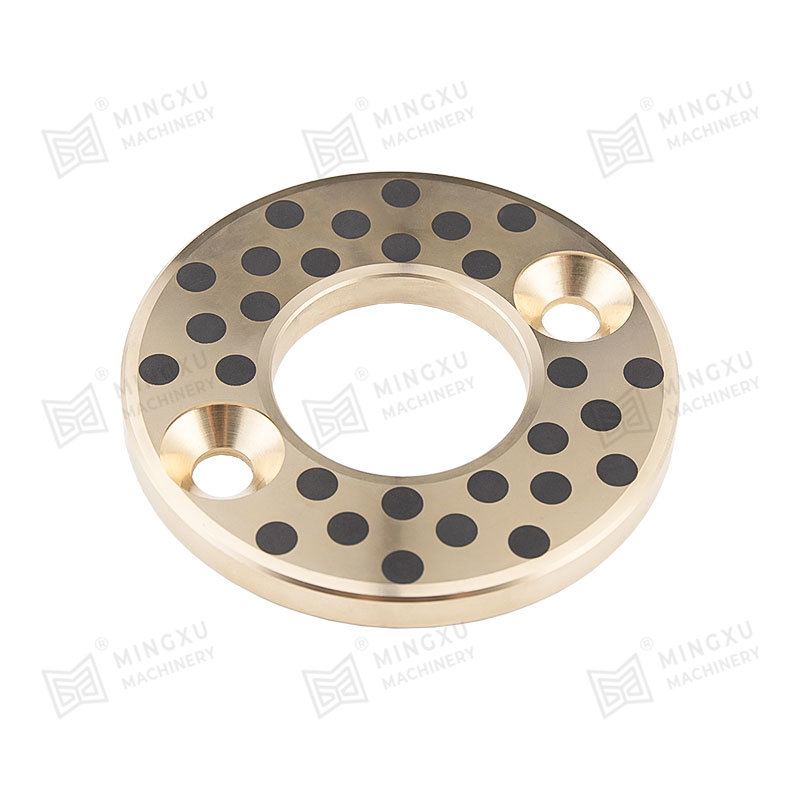
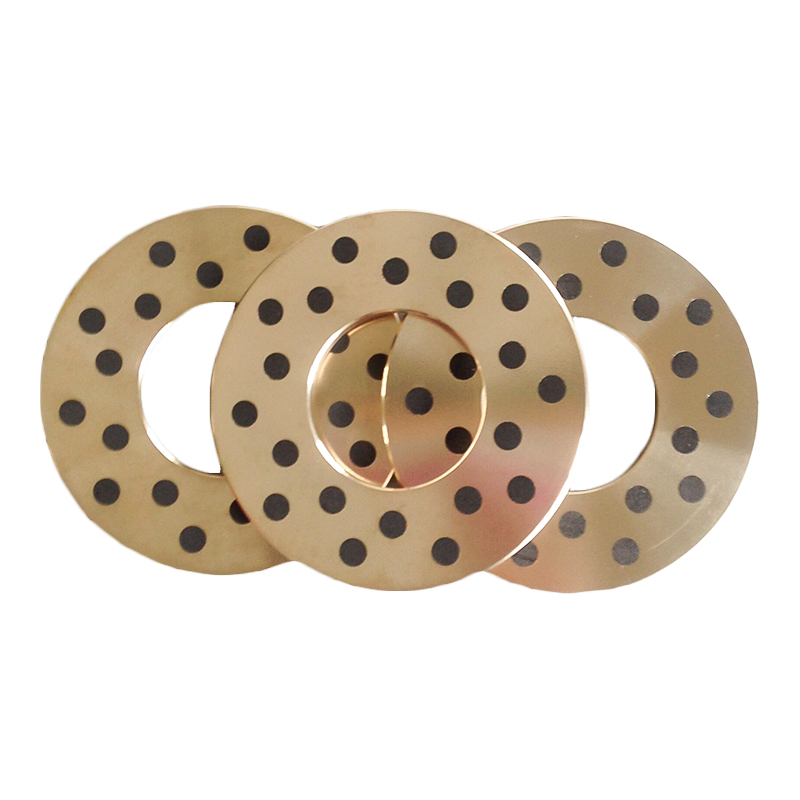
MXB-JTW metric thrust washers are based on high-strength brass (ZCuZn25Al6), with solid lubricant (graphite or molybdenum disulfide) embedded in the m...
See Details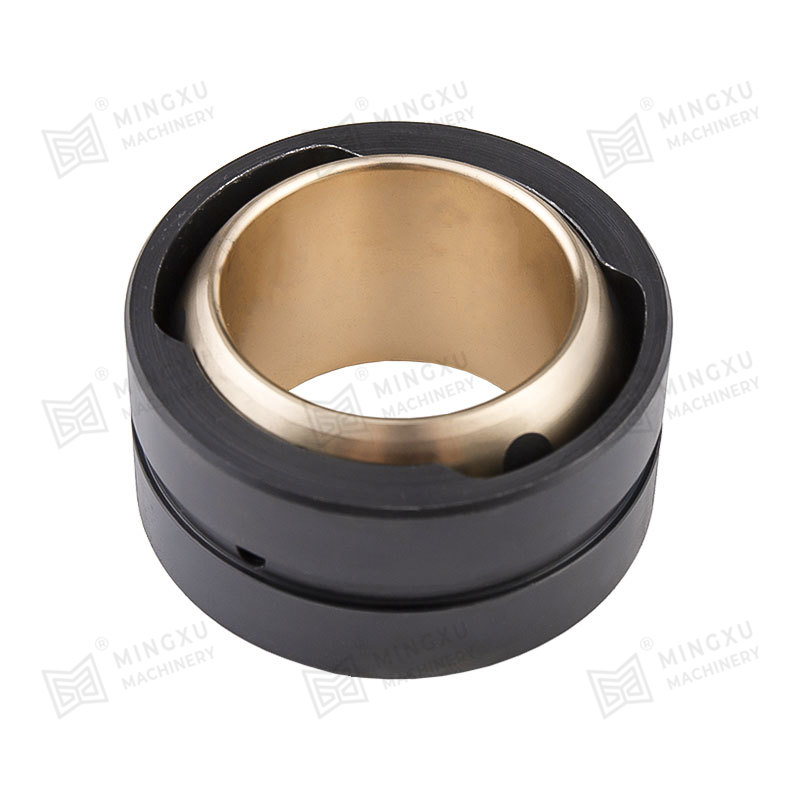
MXB-JDBS bronze-based solid inlaid self-lubricating spherical bearing is a spherical sliding bearing with inner and outer spherical surfaces. It can r...
See Details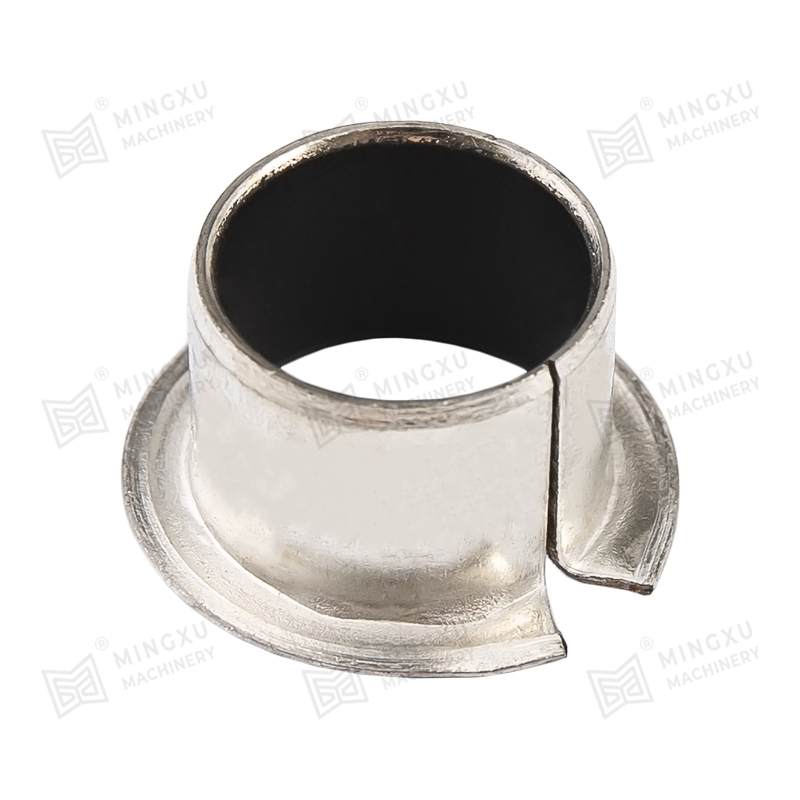
The MXB-DUF oil-free composite bearing, also known as the SF-1F bushing, is a three-layer composite structure bearing. It typically consists of a stee...
See Details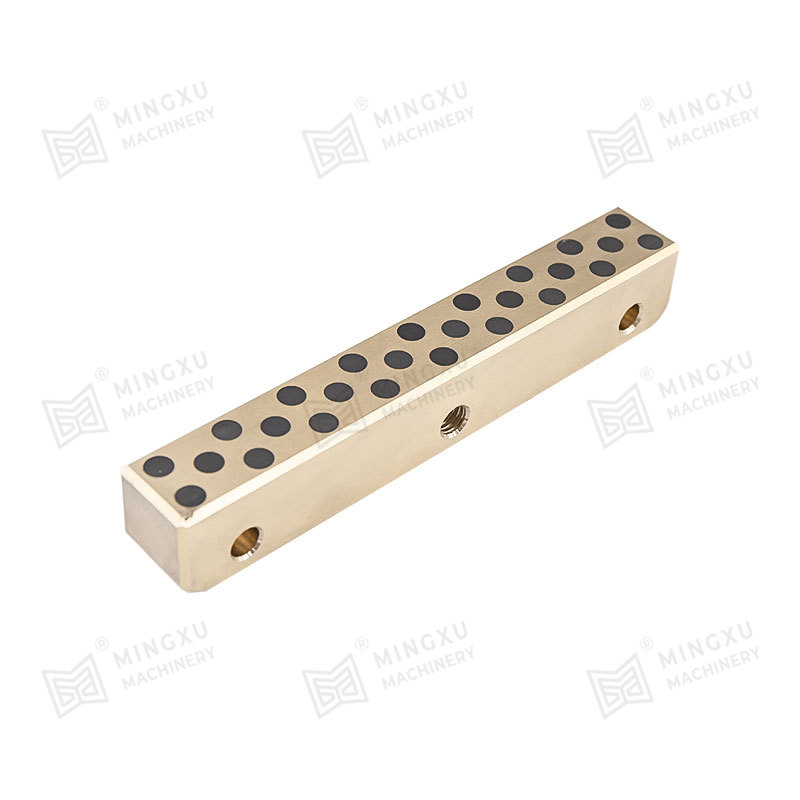
MXB-JGLDW self-lubricating guide rails are made of high-strength brass through CNC machine tools. The surface is inlaid with solid lubricants such as ...
See Details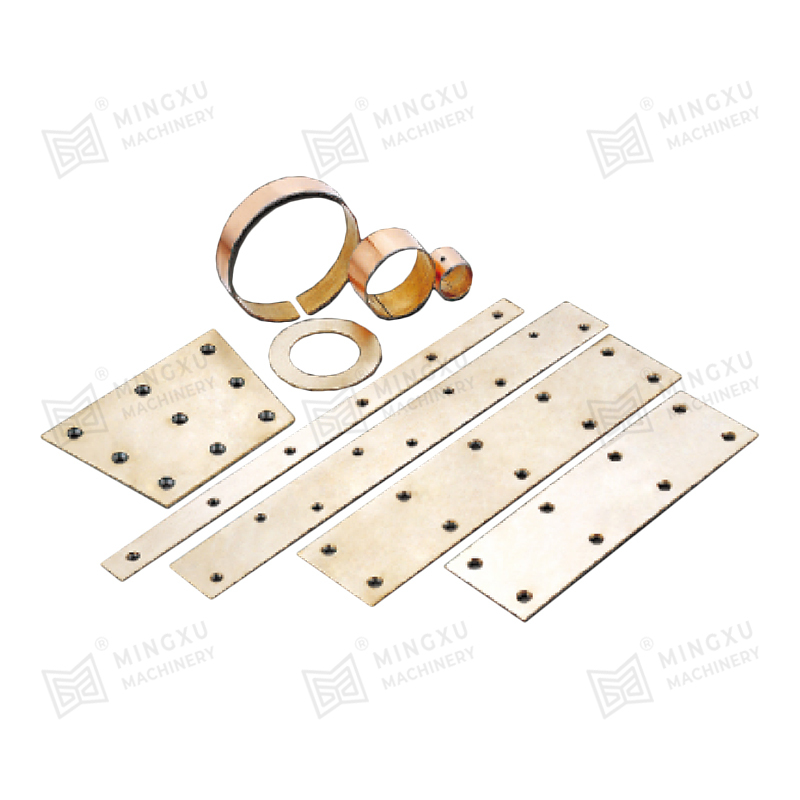
MX2000-1 graphite embedded alloy bearing, MX2000-1 graphite scattered alloy bearing is an improved product of JF800 bimetallic bearing. It has the pre...
See Details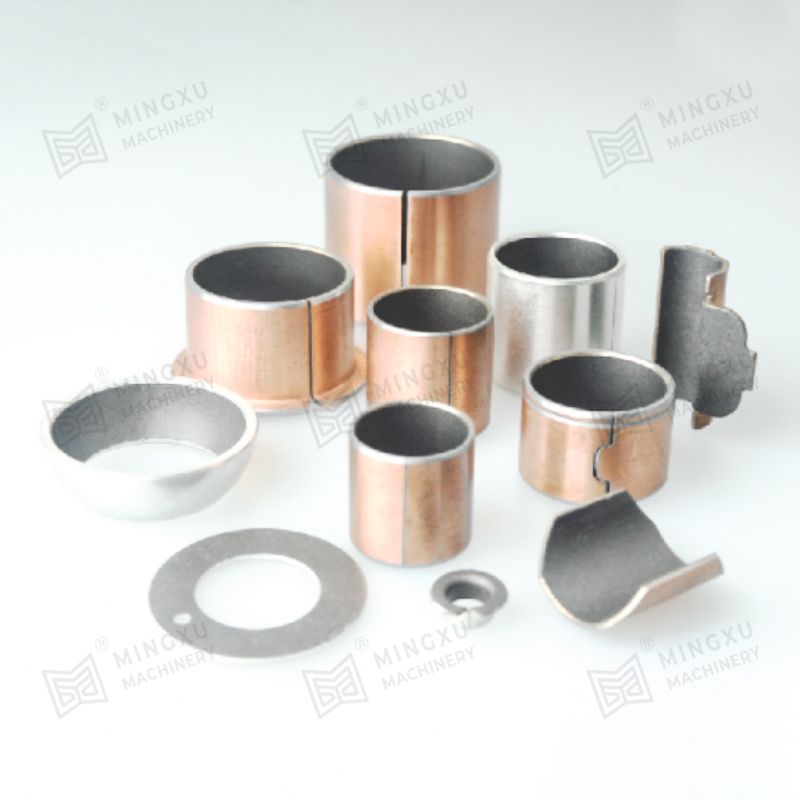
SF-1X oil-free lubricating bearing is a rolled sliding bearing with steel plate as the base, spherical bronze powder sintered in the middle, and a mix...
See Details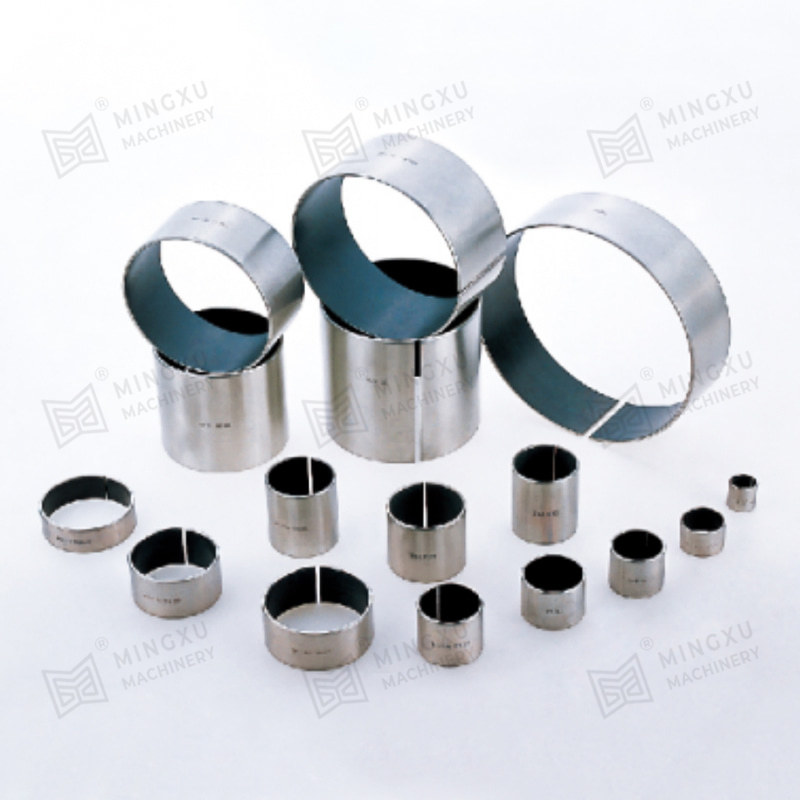
SF-1W lead-free bearing is a new product developed based on SF-1X material according to international environmental protection requirements. In additi...
See Details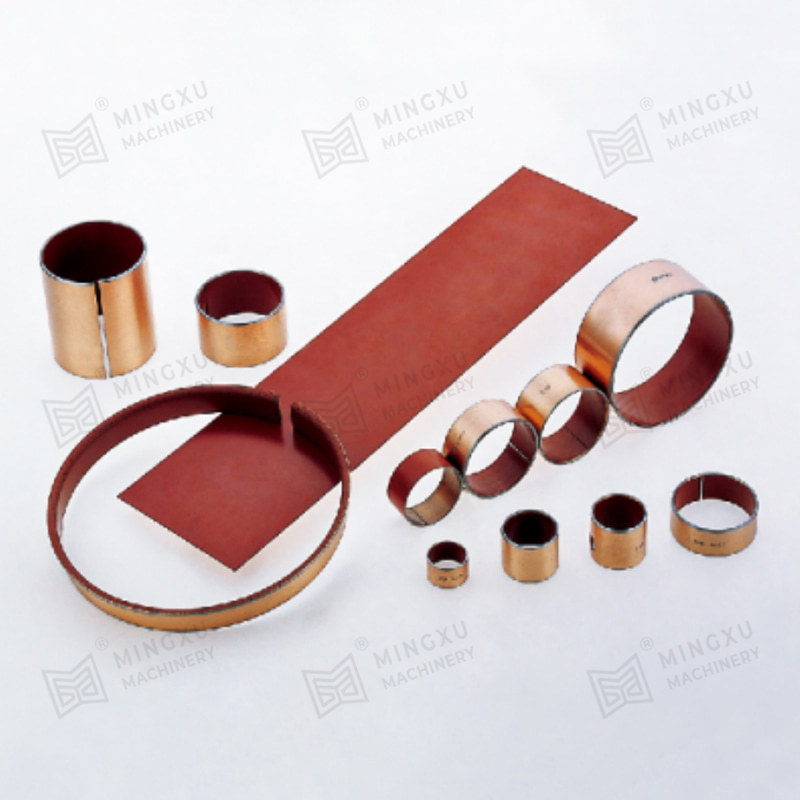
SF-1D hydraulic bearing is a new type of material designed based on SF-1P and combining the working principle of oil cylinder and shock absorber. It i...
See Details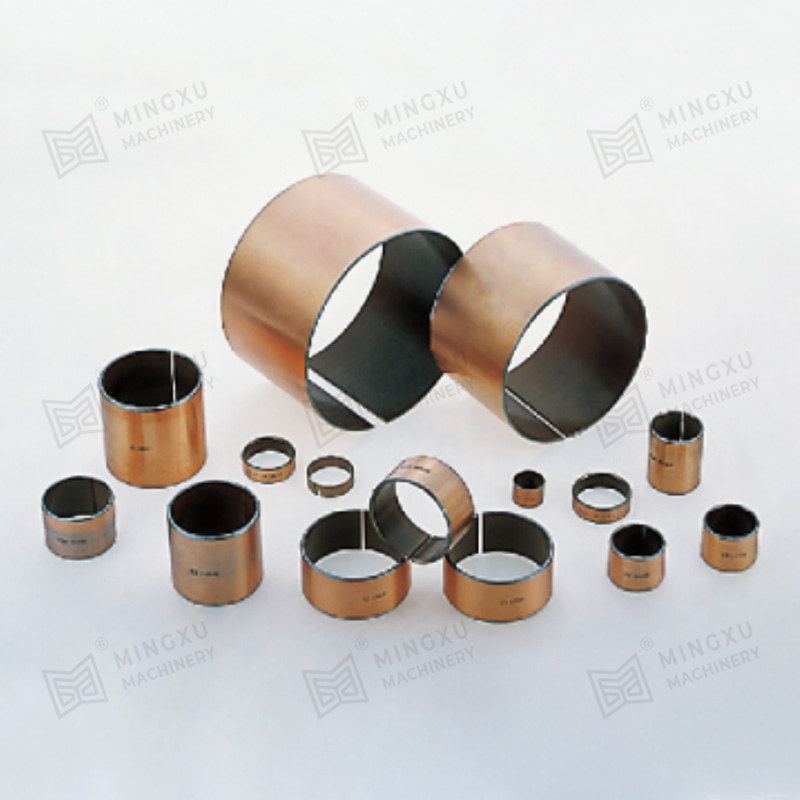
SF-1P reciprocating bearing is a novel formula product designed based on the structure of SF-1X material and according to the special common condition...
See Details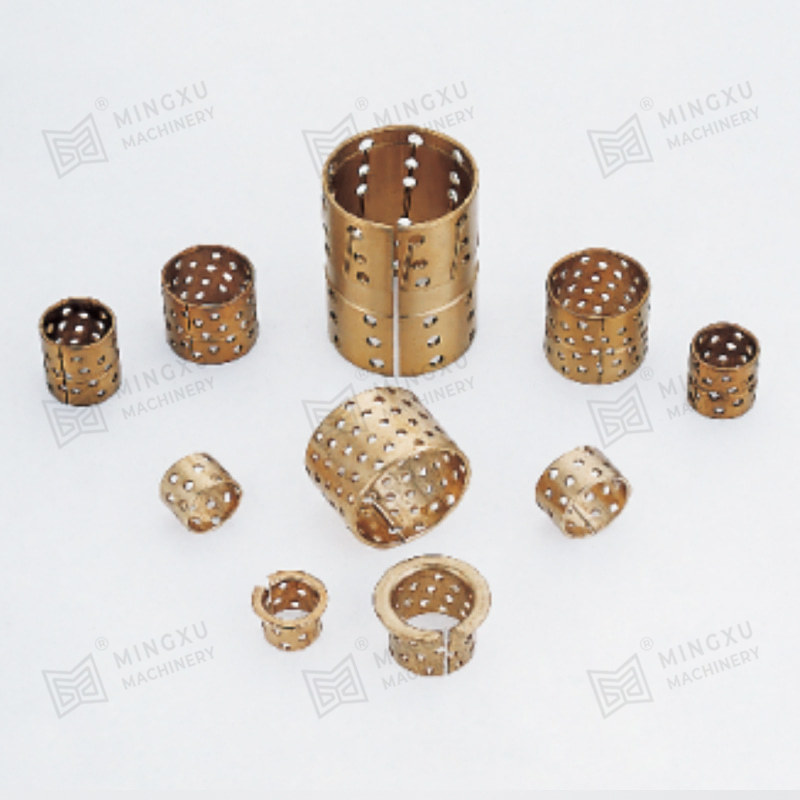
FB092 bronze punch bearings are made of bronze material as the base, with uniform and orderly oil injection holes processed. They are rolled into thin...
See Details
 Tel: +86-136-6679-1592
 E-mail: [email protected]


Contact Us