



 English
 Español
MXB-JTW Metric Thrust Washer For Vehicle Transmissions
Cat:Self-Lubricating Bearing
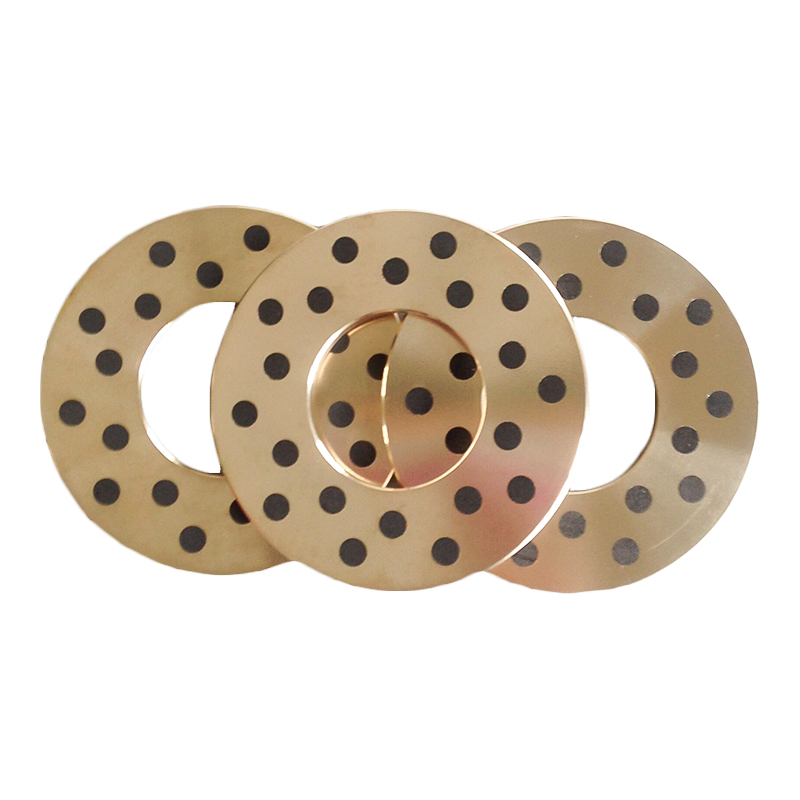
MXB-JTW metric thrust washers are based on high-strength brass (ZCuZn25Al6), with solid lubricant (graphite or molybdenum disulfide) embedded in the m...
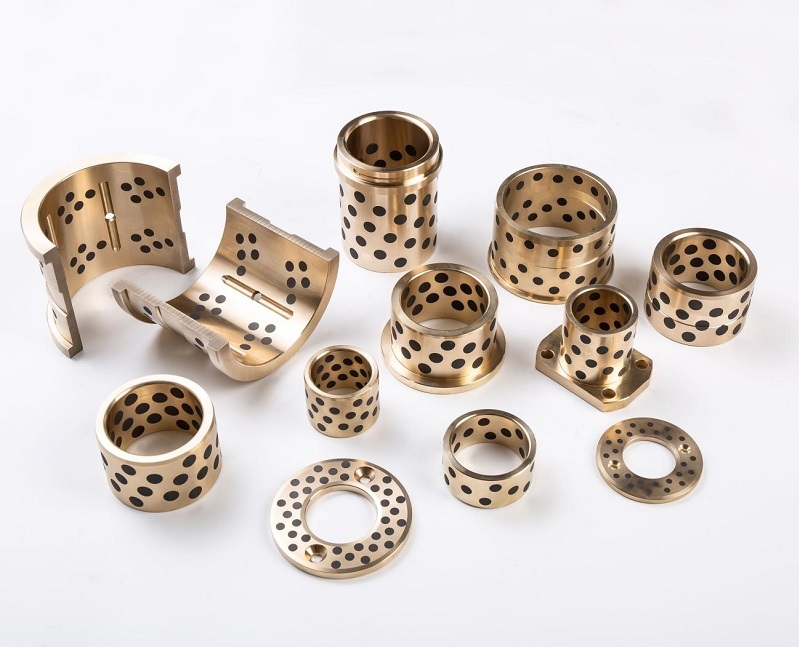
See DetailsGraphite sliding bearings are specialized components used to reduce friction and wear in machinery while providing self-lubricating properties. Unlike traditional metal bearings, which often require continuous lubrication and maintenance, graphite sliding bearings use the inherent properties of graphite to provide smooth operation under various loads and temperatures. Understanding why these bearings are preferred in certain applications can help engineers and maintenance professionals make informed decisions.
Content
One of the primary advantages of graphite sliding bearings is their ability to operate without external lubrication. The graphite material naturally forms a thin, low-friction layer on the bearing surface, which reduces wear and minimizes the need for oil or grease. This property is particularly valuable in applications where traditional lubrication is difficult or costly to maintain.
Since graphite sliding bearings do not require frequent lubrication, they significantly reduce maintenance intervals. This leads to lower operational costs and minimizes downtime in industrial equipment such as pumps, turbines, and heavy machinery.
Graphite has excellent thermal stability, which allows graphite sliding bearings to perform reliably in high-temperature environments where traditional metal bearings may seize or degrade. Additionally, these bearings can withstand significant compressive loads due to the combination of graphite's strength and the bearing's structural design.
Unlike metal bearings, graphite sliding bearings resist corrosion and chemical attack. This property makes them suitable for harsh industrial environments where exposure to moisture, acids, or other reactive chemicals could degrade traditional metal bearings. The inherent inertness of graphite ensures a longer service life and consistent performance.
Graphite bearings are often used in chemical processing plants, marine equipment, and outdoor machinery exposed to salt or moisture. Their resistance to corrosion eliminates the need for protective coatings or frequent replacements, which are commonly required for metal bearings in similar conditions.
| Feature | Graphite Sliding Bearings | Traditional Metal Bearings |
| Lubrication | Self-lubricating, no external oil needed | Requires regular lubrication with oil or grease |
| Temperature Tolerance | Up to 500°C or more | Typically below 200°C without special coatings |
| Corrosion Resistance | High resistance to chemicals and moisture | Susceptible to rust and chemical attack |
| Maintenance | Low, minimal replacement required | High, regular inspection and lubrication needed |
Graphite sliding bearings offer significant advantages over traditional metal bearings in terms of self-lubrication, high-temperature performance, corrosion resistance, and reduced maintenance. These properties make them ideal for demanding industrial applications, harsh environmental conditions, and situations where minimizing downtime is critical. While metal bearings remain suitable for many standard applications, graphite bearings provide a reliable alternative when durability, performance, and low maintenance are priorities.
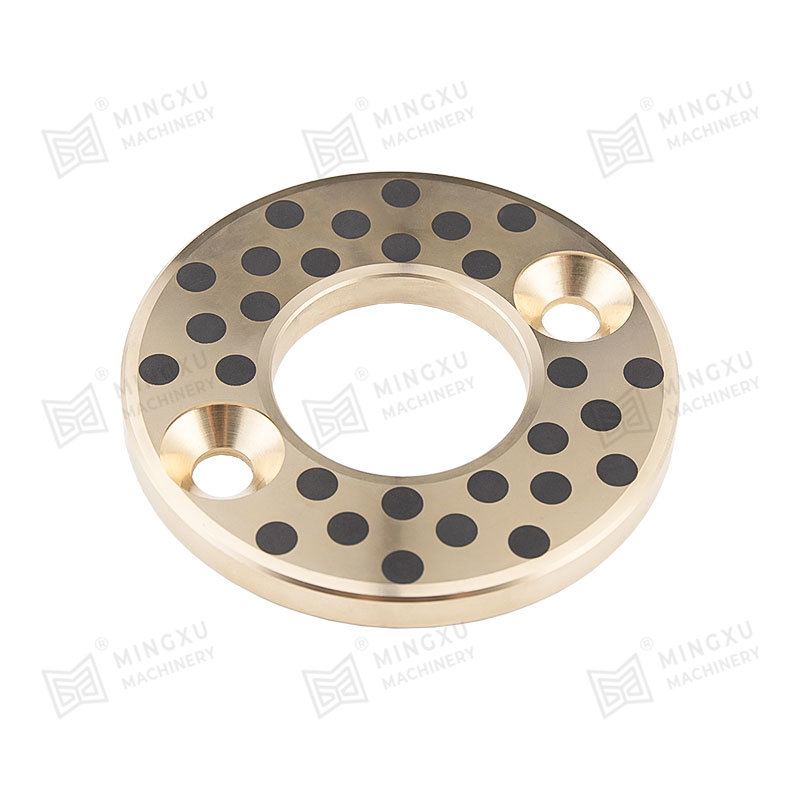
MXB-JTW metric thrust washers are based on high-strength brass (ZCuZn25Al6), with solid lubricant (graphite or molybdenum disulfide) embedded in the m...
See Details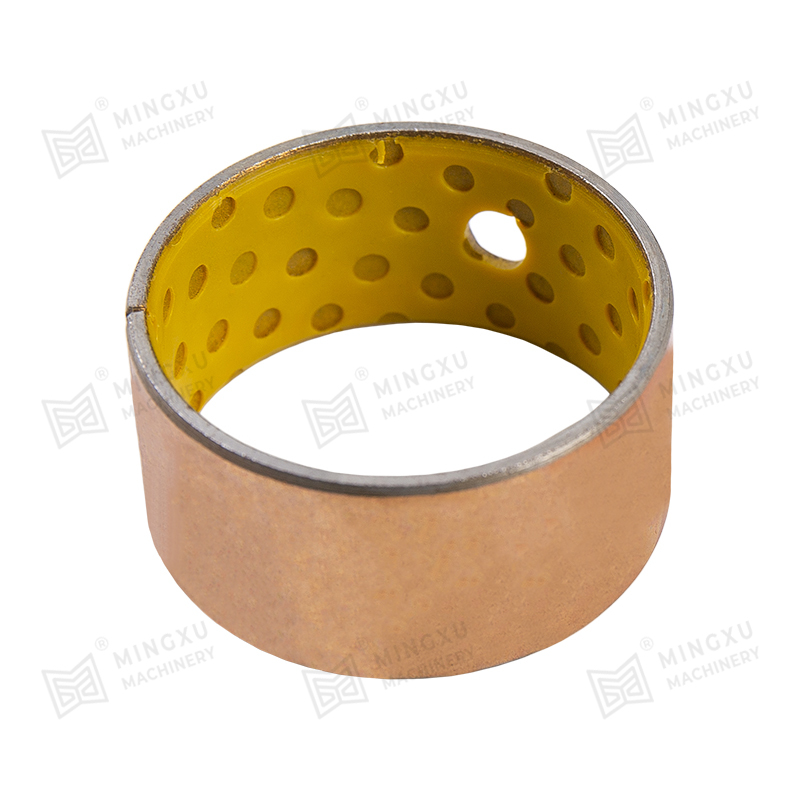
MXB-DX boundary oil-free bearings, equivalent to SF-2 self-lubricating or dry plain bearings, which is based on steel plate, sintered spherical bronze...
See Details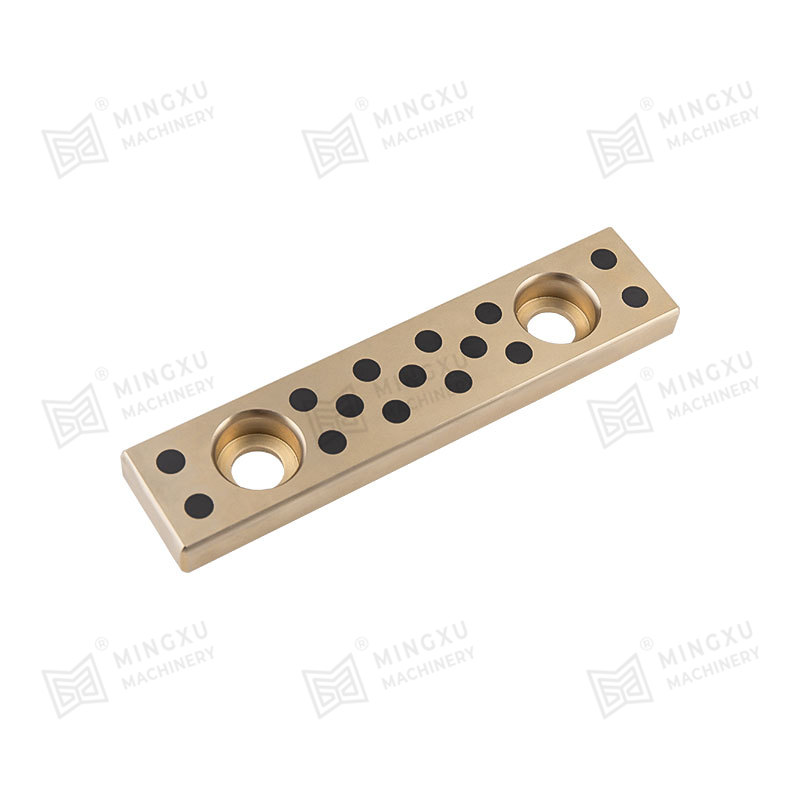
MXB-JOML self-lubricating wear plates are designed to minimize friction and extend service life in industrial applications. The product is made from a...
See Details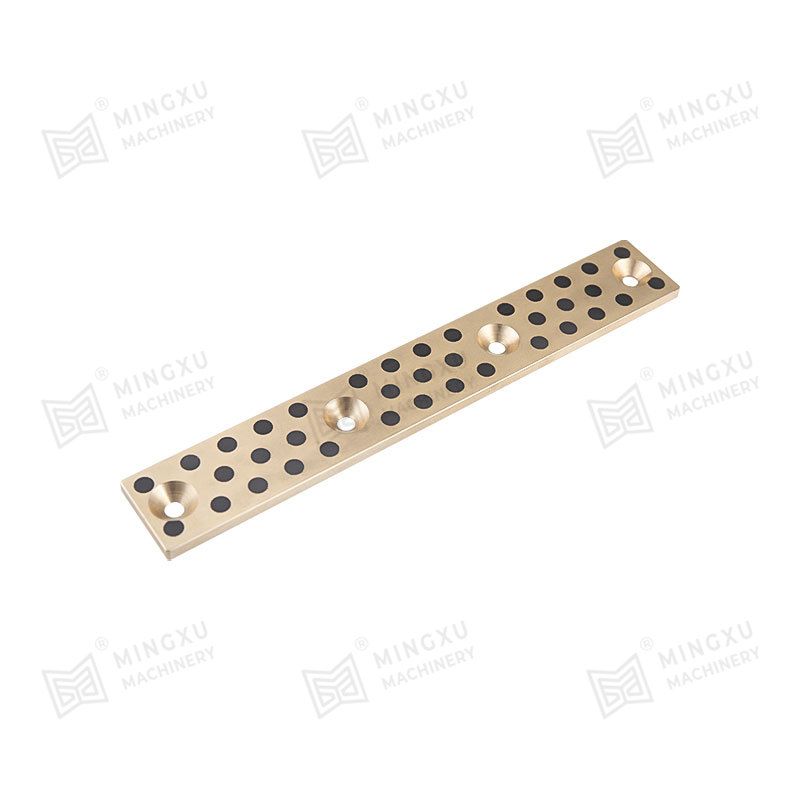
MXB-JTLP self-lubricating wear-resistant plate can provide standard products ranging from width from 18mm to 68mm and length from 100mm to 220mm. It c...
See Details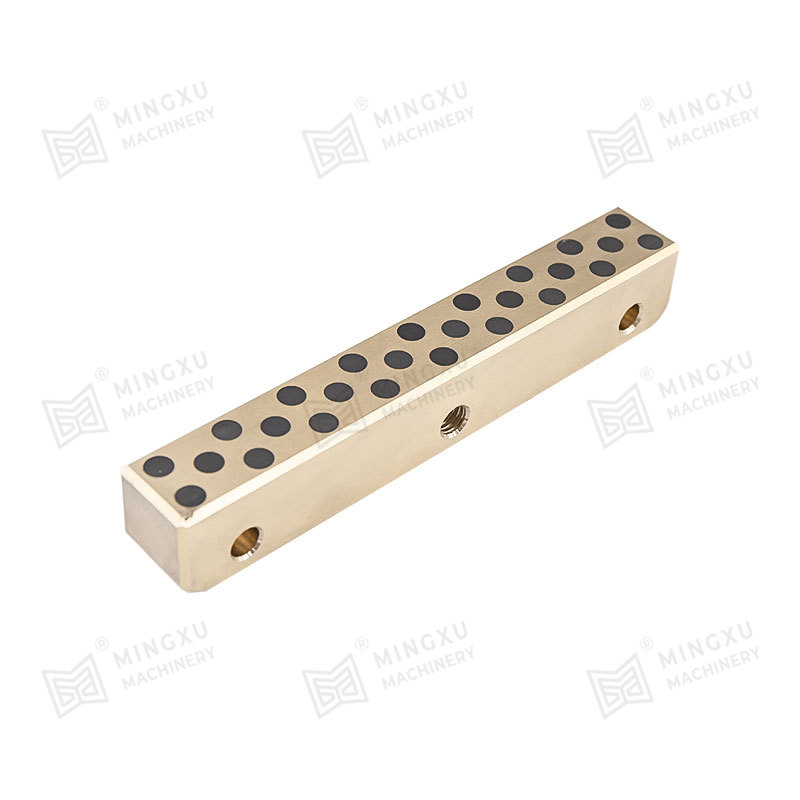
MXB-JGLDW self-lubricating guide rails are made of high-strength brass through CNC machine tools. The surface is inlaid with solid lubricants such as ...
See Details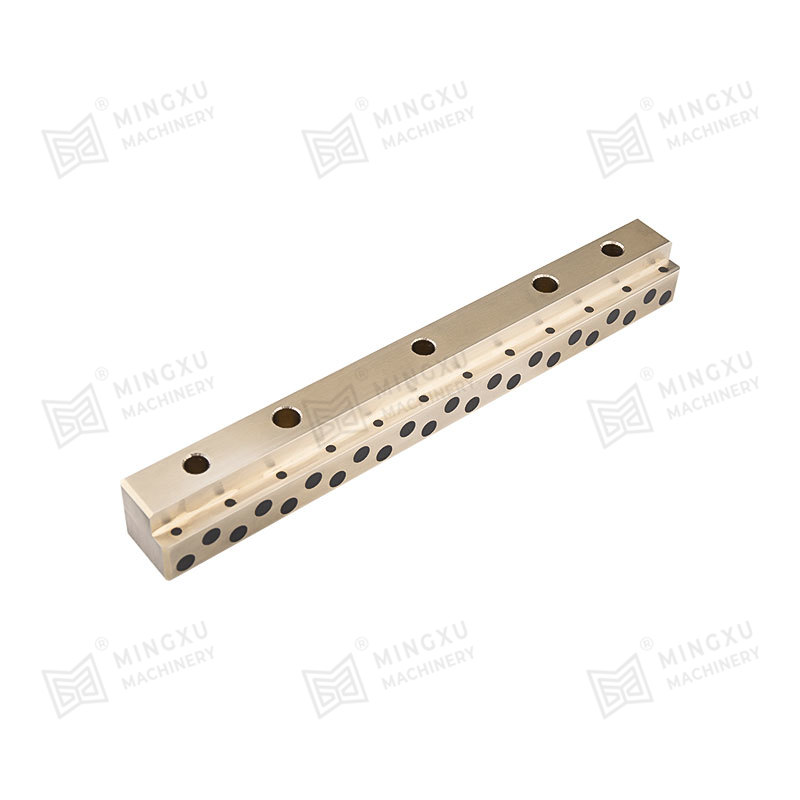
MXB-JGLXS guide rails are parts installed on both sides of the side core-pulling slider to ensure that the side core-pulling slider moves back and for...
See Details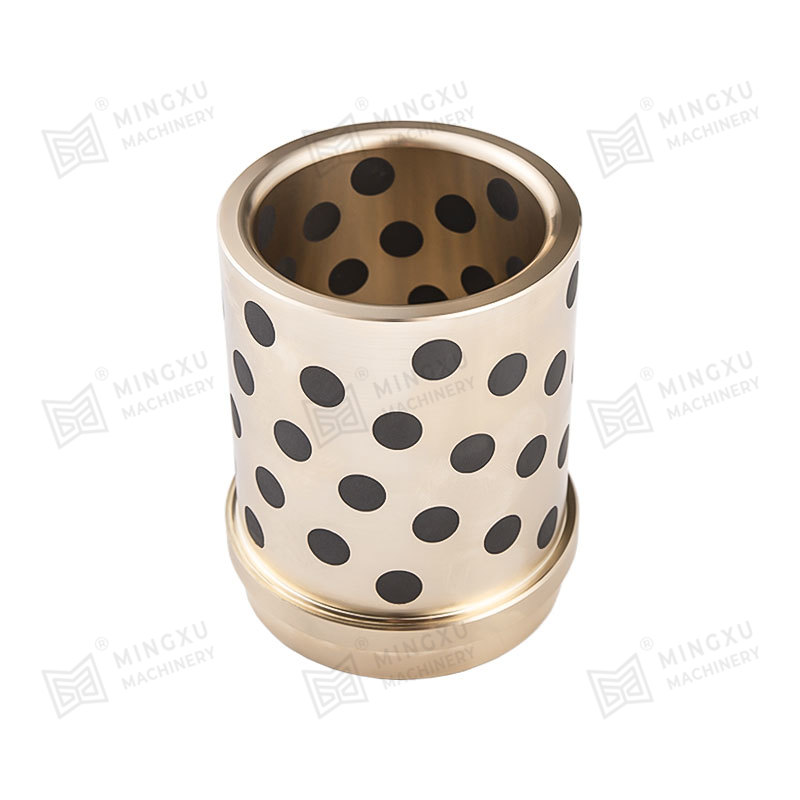
Circular guides are frequently used in automobile panel molds and large stamping molds. The mold base and unloading plate guides usually use self-lubr...
See Details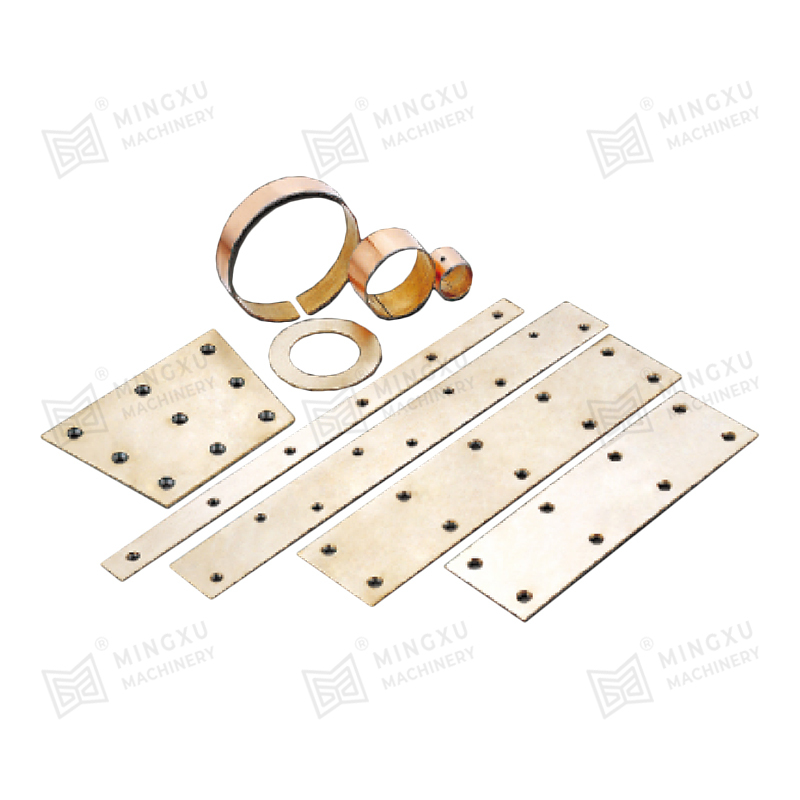
MX2000-1 graphite embedded alloy bearing, MX2000-1 graphite scattered alloy bearing is an improved product of JF800 bimetallic bearing. It has the pre...
See Details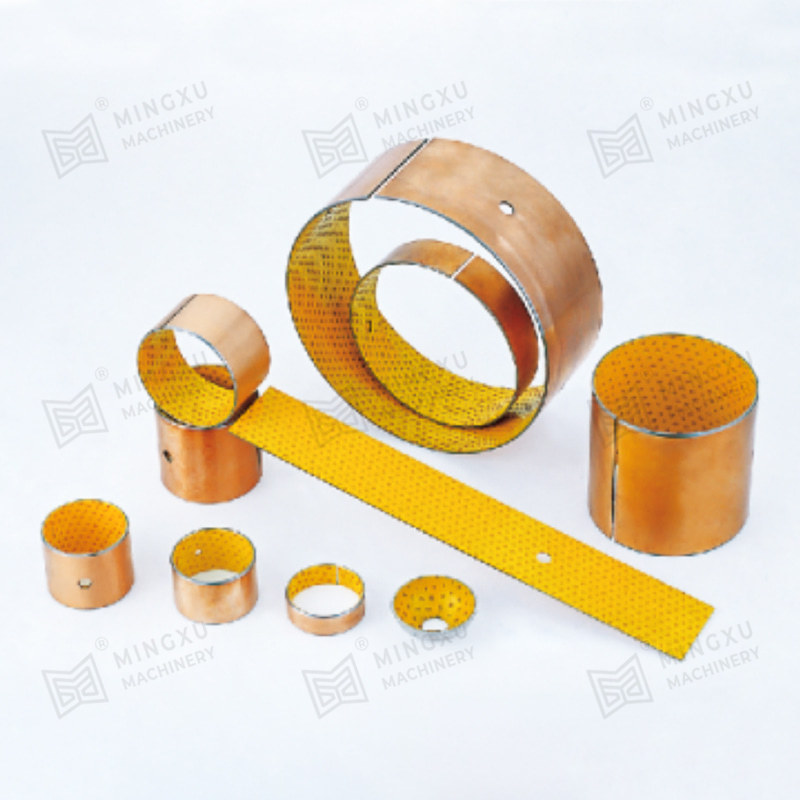
Boundary lubricated lead-free bearings are improved on the basis of SF-2. Its performance is the same as SF-2, but the surface does not contain lead, ...
See Details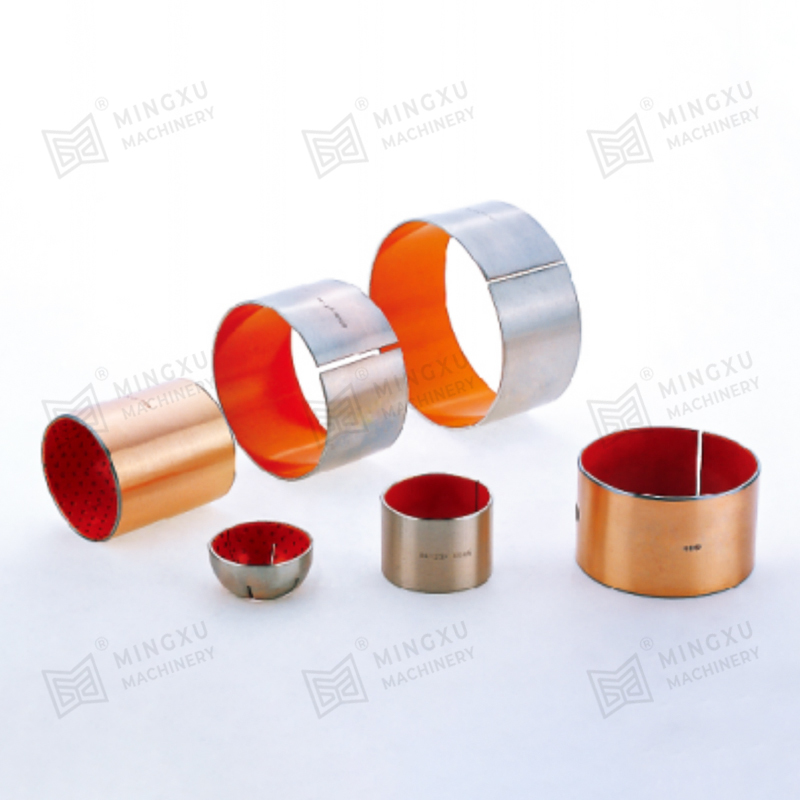
The SF-2S oil-free bearing, as an upgrade to the SF-2 series, stands out with its unique design concept and excellent performance. It features a solid...
See Details
 Tel: +86-136-6679-1592
 E-mail: [email protected]


Contact Us