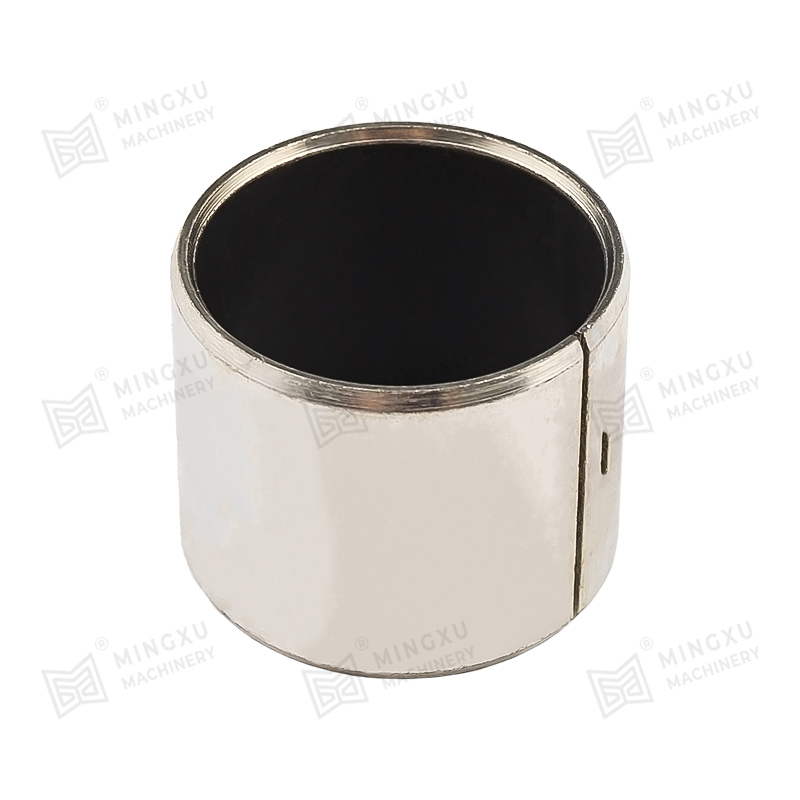
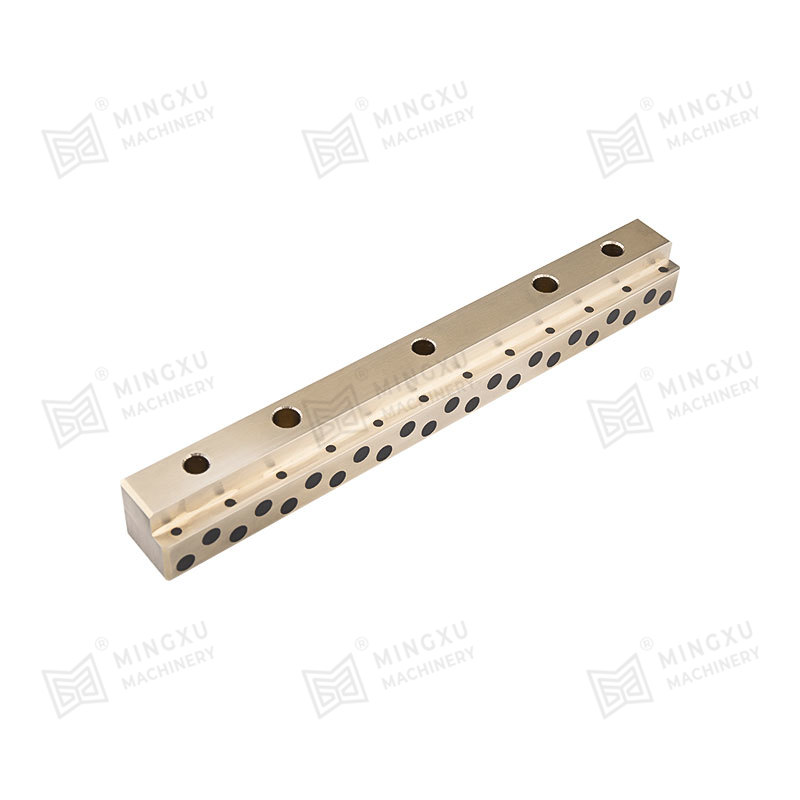
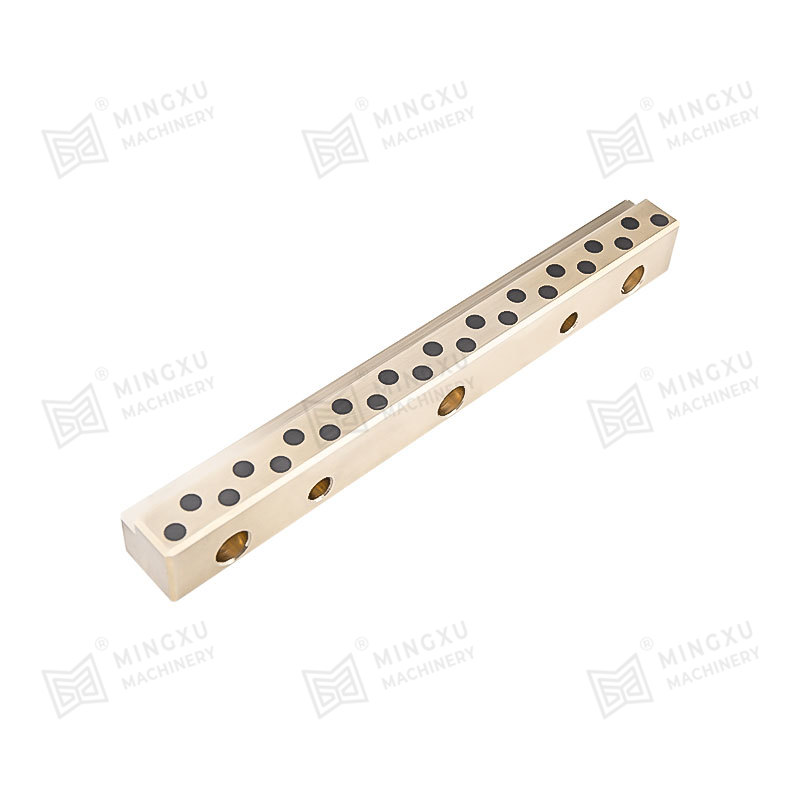
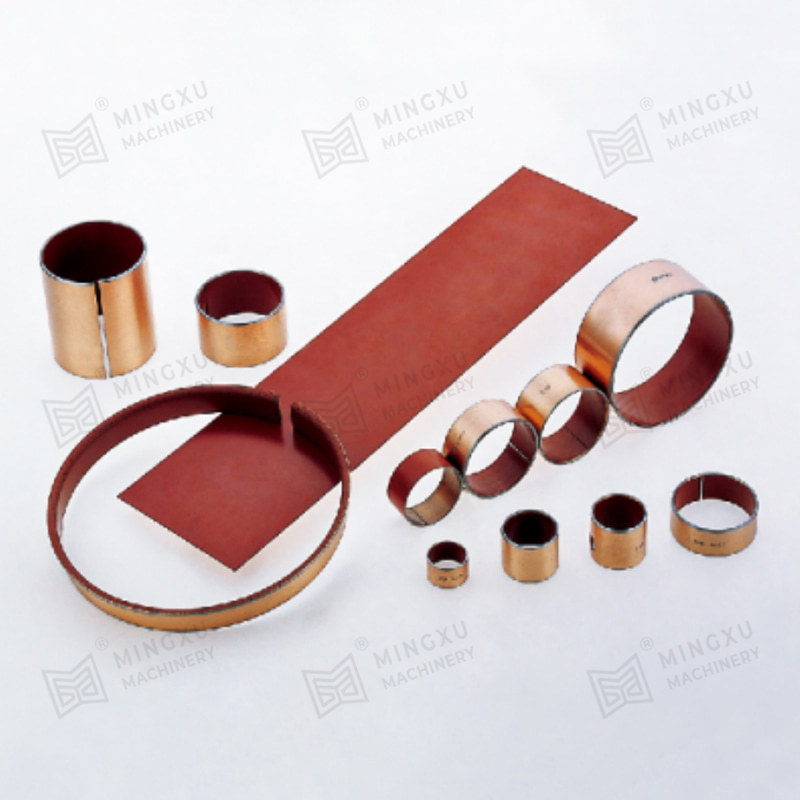
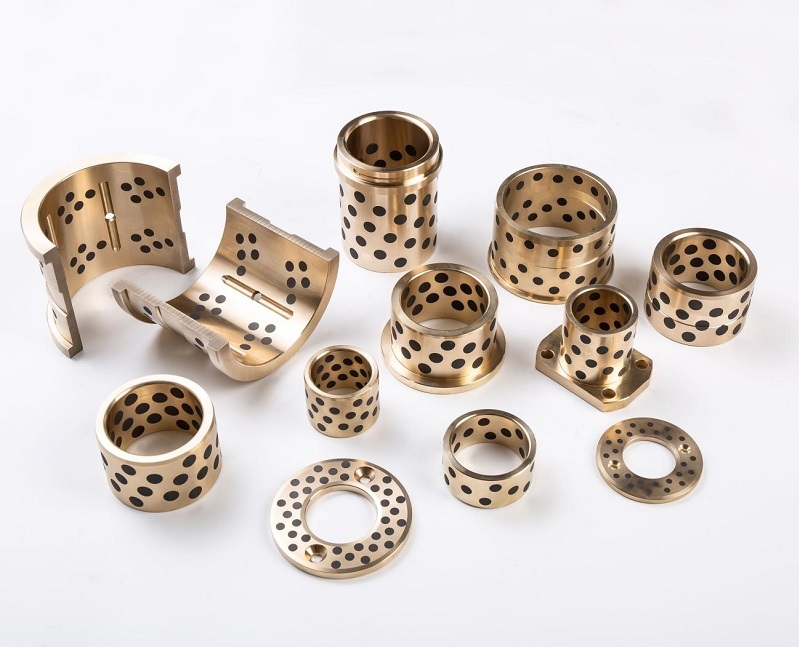
Solid lubrication bearings are a remarkable innovation in the field of engineering, providing an effective solution for reducing friction and wear in a wide array of applications. Unlike traditional bearings that rely on liquid lubricants, solid lubrication bearings utilize materials that inherently provide lubrication through their structure. Understanding the manufacturing process of these bearings unveils the complexity and precision involved in creating a product that enhances performance and longevity.
Material Selection
The first step in manufacturing solid lubrication bearings is the careful selection of materials. These bearings typically use composite materials that combine a base substrate (often a metal or polymer) with solid lubricants like graphite, molybdenum disulfide, or PTFE (Teflon). The choice of materials is critical, as they must possess desirable properties such as low friction, high wear resistance, and the ability to withstand varying loads and environmental conditions.
Preparation of the Base Substrate
Once the materials are selected, the base substrate is prepared. This involves machining processes like turning, milling, or grinding to achieve the desired shape and dimensions. Precision is key in this step, as the accuracy of the bearing's dimensions directly impacts its performance and fit within machinery.
Incorporation of Solid Lubricants
With the base substrate ready, the next step is to incorporate the solid lubricants. This can be done through various methods, including:
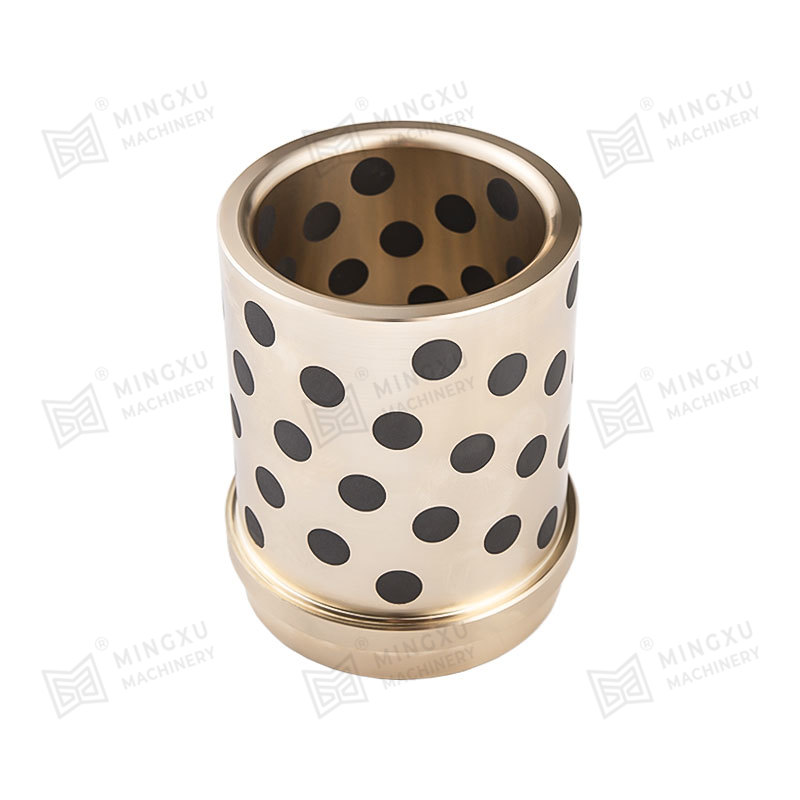
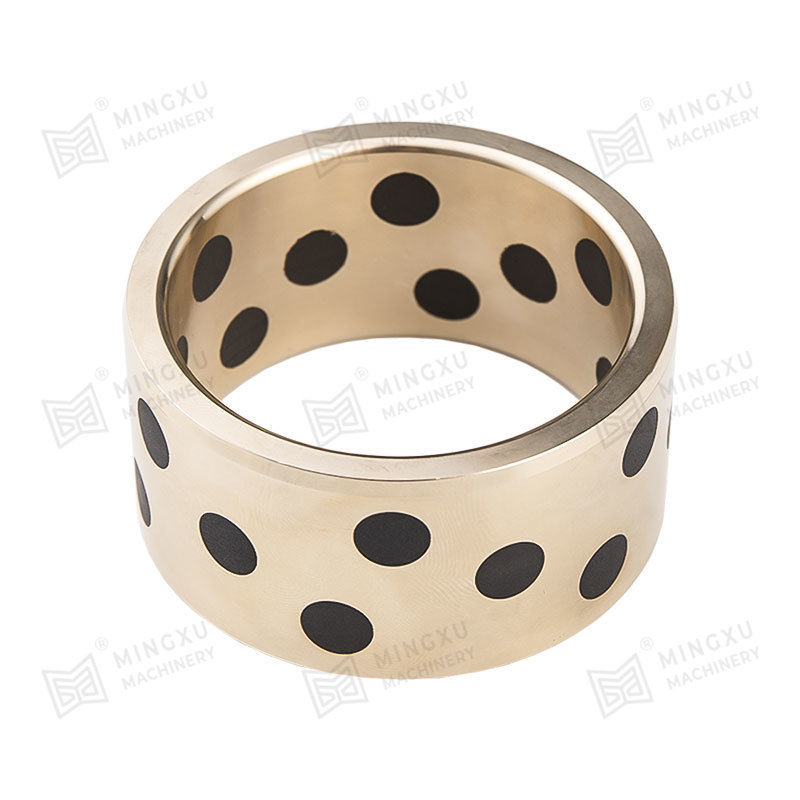
Dispersion: Solid lubricants are mixed into a matrix material, often a polymer, creating a composite material. This composite is then formed into the shape of the bearing.
Coating: In some processes, a layer of solid lubricant is applied to the surface of the bearing through techniques like spraying, brushing, or chemical vapor deposition. This method ensures that the lubricant is evenly distributed and adheres well to the substrate.
Sintering or Curing
For bearings made from composite materials, a sintering or curing process follows. In sintering, the bearing is heated to a temperature below its melting point, causing the particles of the material to bond together. This process enhances the mechanical strength of the bearing and helps solid lubricants integrate effectively with the substrate. In polymer-based bearings, curing may involve chemical reactions that harden the material, providing additional structural integrity.
Machining and Finishing
After the sintering or curing process, the bearings undergo additional machining to achieve precise tolerances and surface finishes. This step may include grinding, honing, or polishing to ensure smooth surfaces, which is crucial for minimizing friction and enhancing performance. Quality control measures are often employed during this phase to check for dimensional accuracy and surface quality.
Testing and Quality Assurance
Before the solid lubrication bearings are deemed ready for market, they undergo rigorous testing to assess their performance characteristics. This may include evaluations of wear resistance, load-carrying capacity, and friction coefficients. Manufacturers often conduct accelerated life tests to simulate long-term use and ensure reliability.
Packaging and Distribution
Once testing is complete, the bearings are cleaned, packaged, and prepared for distribution. Proper packaging is essential to protect the bearings from damage during transportation and to maintain their performance characteristics.
The manufacturing process of solid lubrication bearings is a multi-step procedure that involves careful material selection, precise machining, and thorough testing. By harnessing the properties of solid lubricants and advanced manufacturing techniques, these bearings offer significant advantages in reducing friction and wear across various applications. As industries continue to seek efficient and durable solutions, solid lubrication bearings are poised to play an increasingly vital role in modern engineering.




 English
 Español





Contact Us