The push toward sustainable industry practices has intensified the demand for eco-friendly components in manufacturing and machinery. Solid-lubricating bearings have emerged as a key technology that aligns with environmental goals. Unlike traditional bearings that require frequent grease or oil lubrication, solid-lubricating bearings integrate self-lubricating materials directly into their structure, reducing the need for external lubricants, minimizing waste, and improving overall machine efficiency.
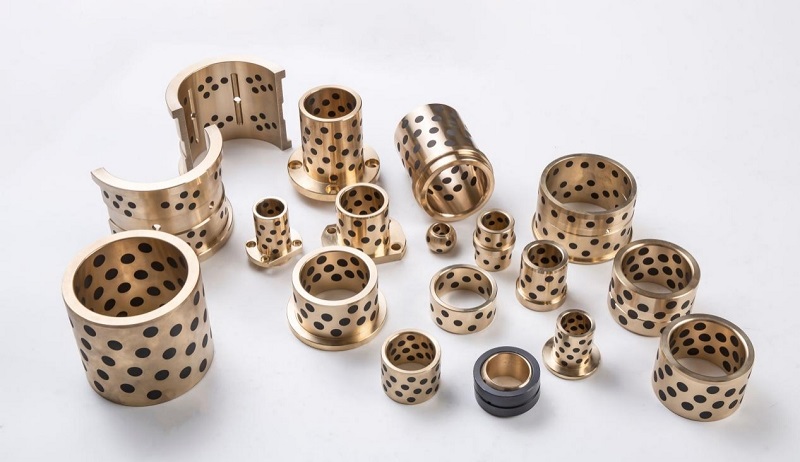
How Solid-Lubricating Bearings Work
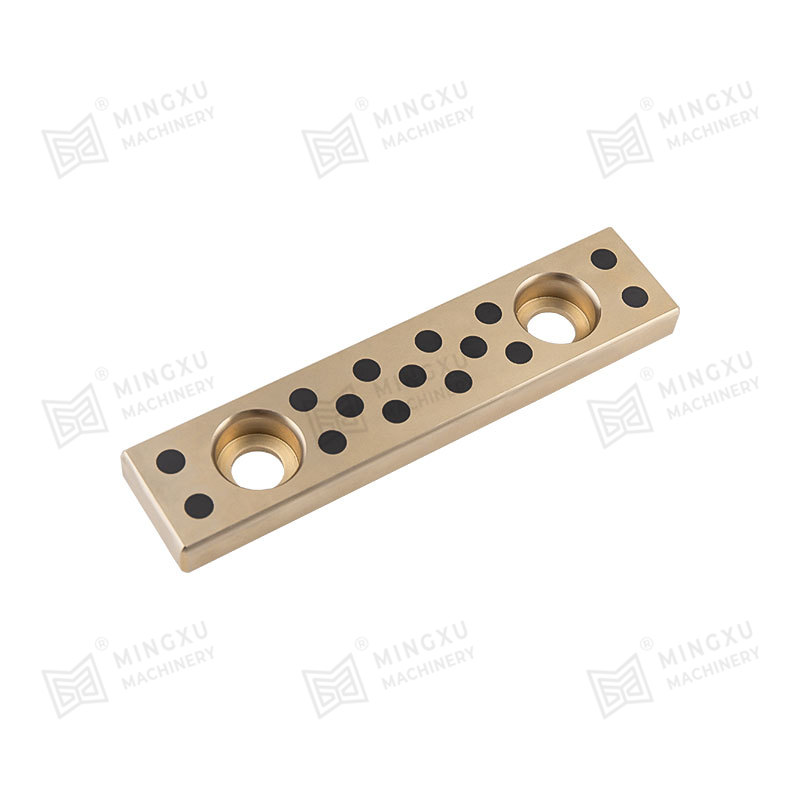
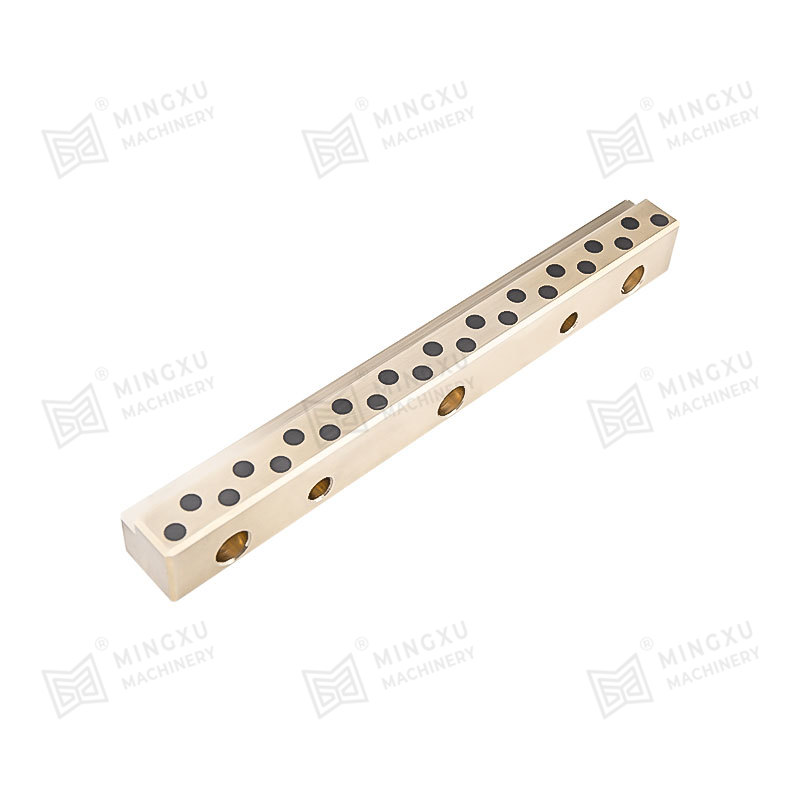
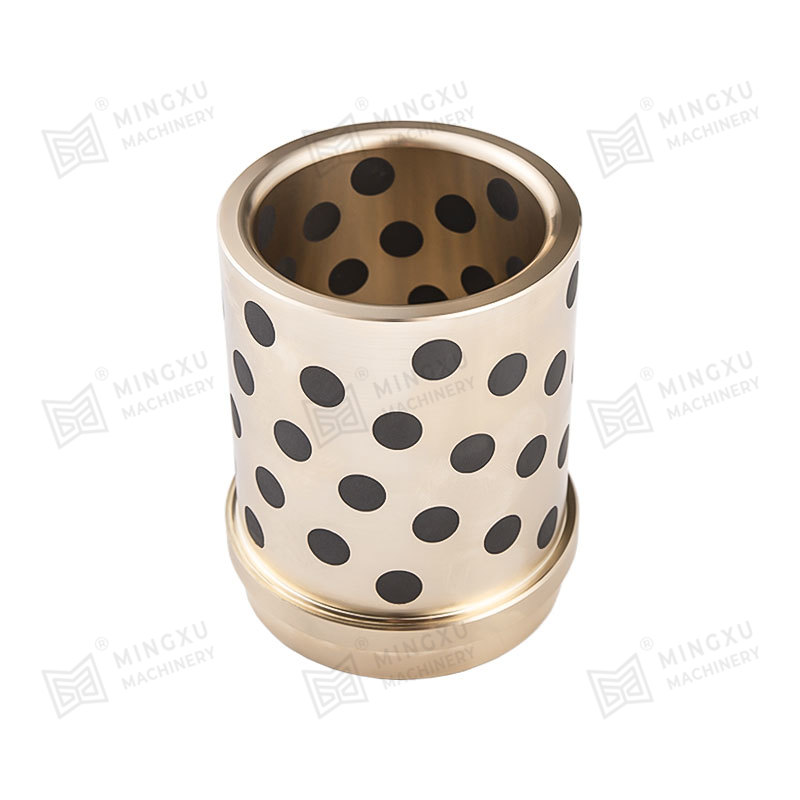
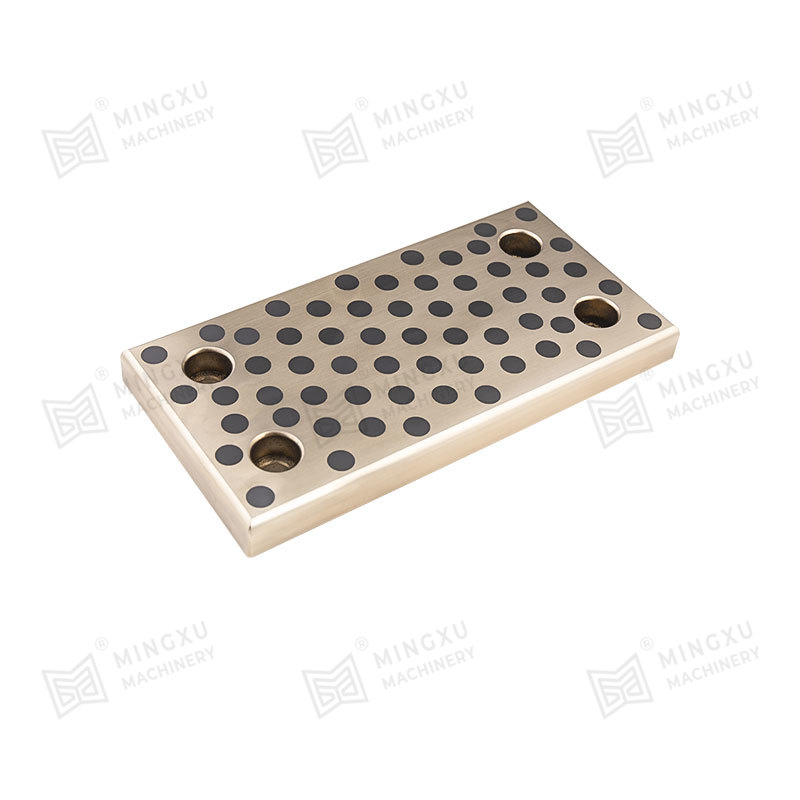
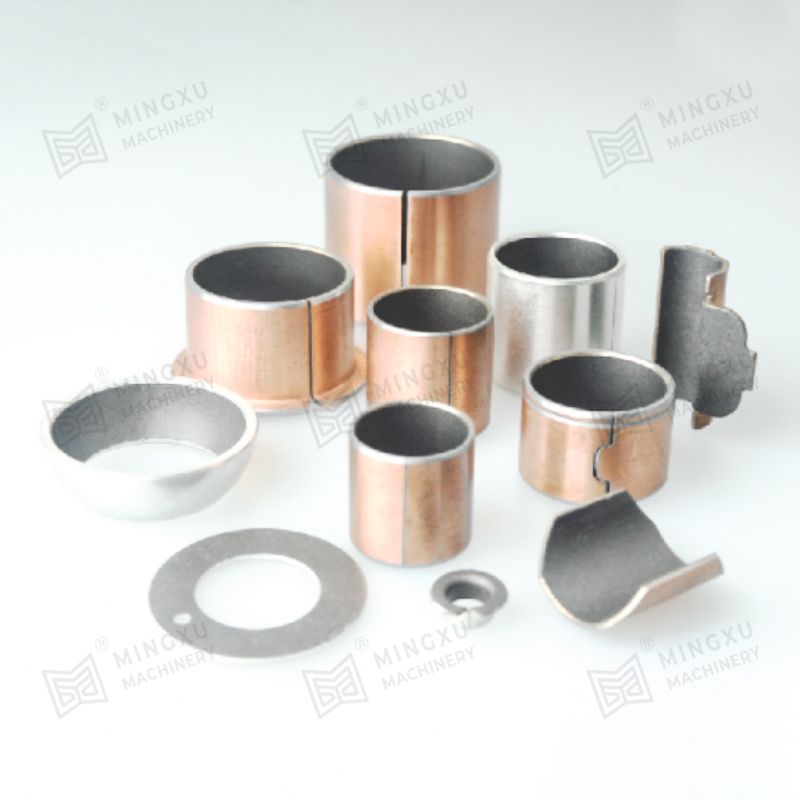
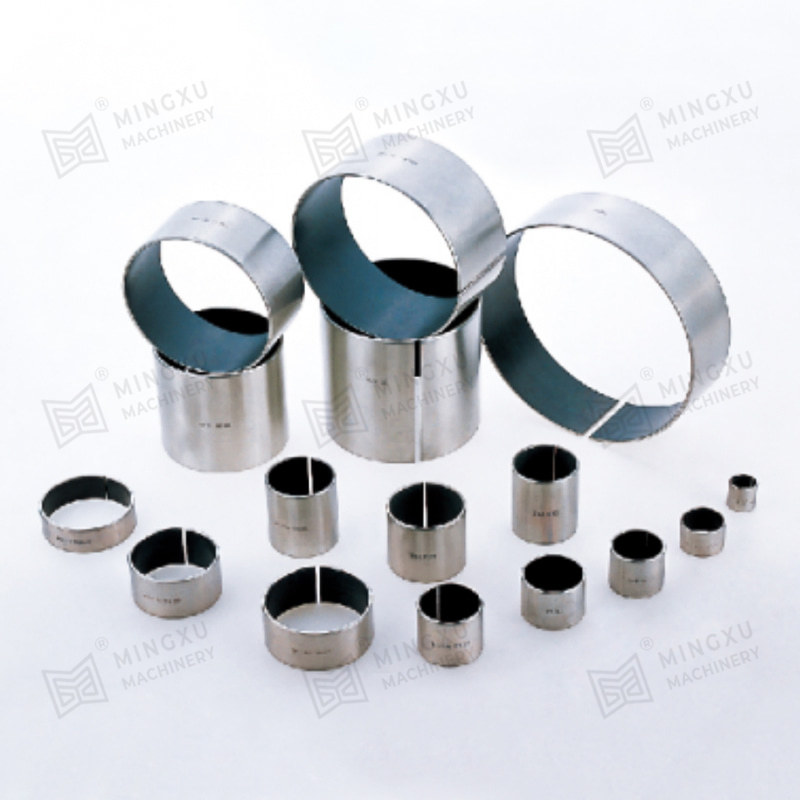
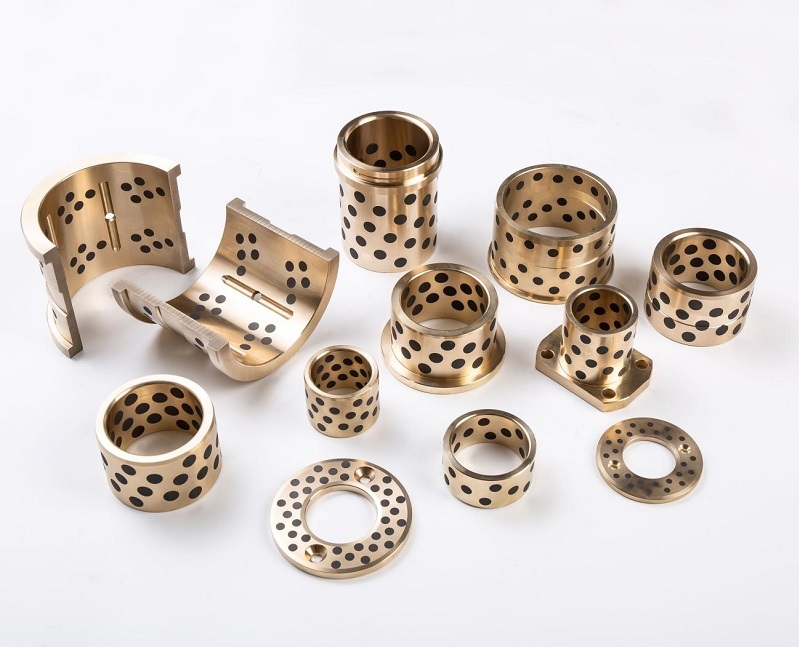
Solid-lubricating bearings incorporate materials such as polytetrafluoroethylene (PTFE), graphite, or embedded lubricating composites that provide continuous lubrication during operation. These materials form a low-friction surface that reduces wear and prevents overheating. Since the lubrication is internal, the bearings operate maintenance-free under various environmental conditions, including high temperature, heavy loads, and exposure to contaminants, making them ideal for eco-conscious industrial applications.
Environmental Advantages of Solid-Lubricating Bearings
- Reduced Lubricant Waste: Traditional bearings rely on oils and greases that often need regular replacement, generating waste. Solid-lubricating bearings eliminate this need.
- Lower Pollution Risk: By reducing or removing external lubricants, these bearings decrease the risk of oil spills or contamination in industrial environments.
- Energy Efficiency: Reduced friction results in lower energy consumption, contributing to overall sustainability in machinery operation.
- Extended Lifespan: Durable materials in solid-lubricating bearings minimize wear and replacement frequency, lowering the environmental impact of manufacturing and disposal.
Applications in Sustainable Industry
Solid-lubricating bearings are widely used in industries that prioritize sustainability and maintenance reduction. In renewable energy equipment such as wind turbines and solar tracking systems, these bearings reduce downtime and lubricant consumption. They are also used in automated manufacturing lines, conveyor systems, and eco-friendly machinery where minimizing environmental impact is crucial. Additionally, industries handling food, pharmaceuticals, or clean technologies benefit from the contamination-free operation of solid-lubricating bearings.
Material Types and Selection Considerations
Selecting the appropriate solid-lubricating bearing material is critical to maximize both performance and environmental benefits. Common options include:
- PTFE-Based Bearings: Ideal for low to medium load applications, providing excellent chemical resistance and minimal friction.
- Graphite-Embedded Bearings: Suitable for high-temperature applications, delivering consistent lubrication even in harsh conditions.
- Composite Bearings: Combine multiple solid lubricants to balance load capacity, friction reduction, and durability for diverse industrial applications.
Comparison Table: Solid-Lubricating vs Traditional Lubricated Bearings
| Feature |
Solid-Lubricating Bearing |
Traditional Lubricated Bearing |
| Lubrication Requirement |
Self-lubricating, maintenance-free |
Requires regular oil or grease |
| Environmental Impact |
Low, minimal waste and spills |
Higher, due to lubricant disposal and potential leaks |
| Durability |
High, resistant to wear and corrosion |
Moderate, dependent on regular maintenance |
| Operating Conditions |
Wide range: high temperature, heavy load, contaminated environments |
Limited by lubricant performance |
Conclusion
Solid-lubricating bearings play a vital role in advancing sustainable industrial practices. By eliminating the need for external lubricants, reducing maintenance, and providing long-lasting performance, they minimize environmental impact while enhancing operational efficiency. For industries pursuing eco-friendly and maintenance-free solutions, adopting solid-lubricating bearing technology is a practical and forward-looking strategy that supports both productivity and sustainability goals.




 English
 Español





Contact Us