



 English
 Español
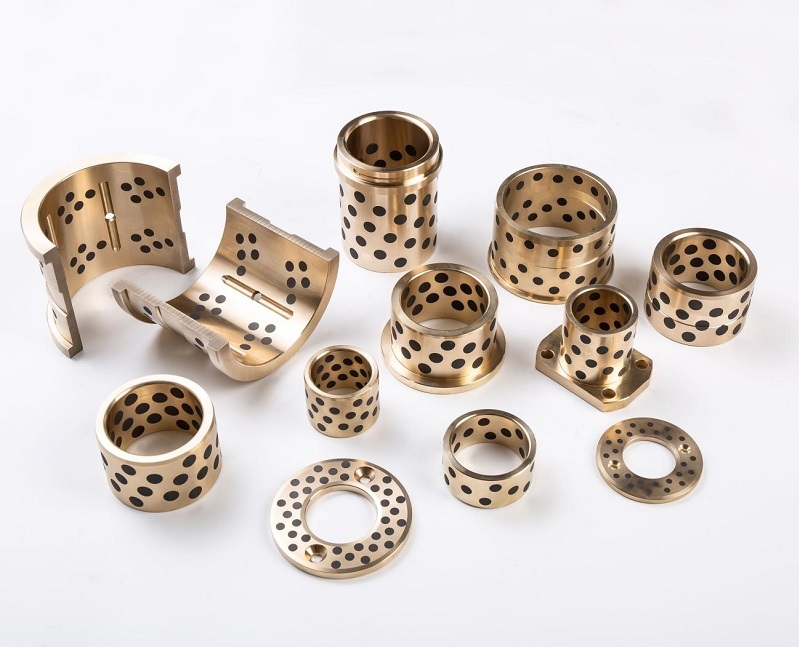
MXB-DX Boundary Oilless Bearing SF-2 Dry Plain Bearing
Cat:Oilless Bearing
MXB-DX boundary oil-free bearings, equivalent to SF-2 self-lubricating or dry plain bearings, which is based on steel plate, sintered spherical bronze...
See DetailsContent
Automobile bushings are flexible components installed between suspension parts to manage movement, isolate vibration, and maintain controlled alignment. In a vehicle suspension system, metal components such as control arms, subframes, and stabilizer bars must move relative to each other under load. Bushings act as an interface that allows this movement while preventing direct metal-to-metal contact, which would otherwise cause noise, rapid wear, and instability.
By absorbing and redistributing forces generated during acceleration, braking, and cornering, bushings help the suspension operate within its intended geometry. This directly influences handling consistency and overall chassis stability during daily driving and dynamic conditions.
Suspension systems are designed to move in specific directions while resisting unwanted motion. Automobile bushings are engineered with controlled elasticity, allowing rotation or deflection along a defined axis while restricting movement in others. This directional compliance is critical for predictable suspension behavior.
When a vehicle encounters uneven road surfaces, bushings deform slightly to absorb shock loads before they reach the chassis. At the same time, they maintain sufficient stiffness to transmit steering and braking forces accurately.
Forces from the wheels are transmitted through suspension arms into the vehicle body. Bushings sit along these load paths, shaping how forces are transferred. Their material hardness, shape, and bonding method determine how quickly and smoothly loads are absorbed and released.
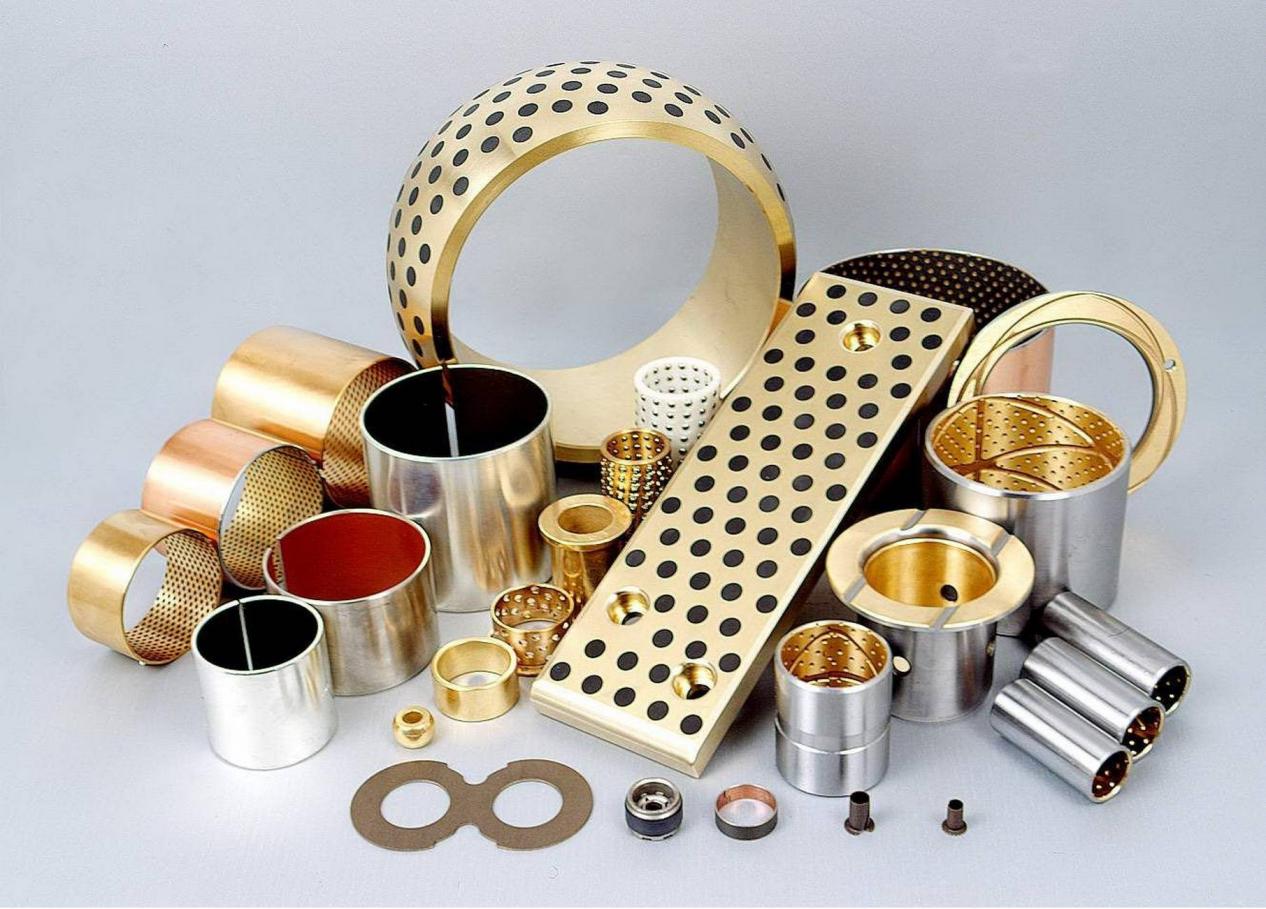
One of the most noticeable roles of automobile bushings is reducing noise, vibration, and harshness within the cabin. Road irregularities generate high-frequency vibrations that can easily travel through rigid components. Bushings interrupt this path by acting as damping elements.
Without properly functioning bushings, drivers may experience increased road noise, steering wheel vibration, or low-frequency booming sounds. These issues often originate from hardened, cracked, or displaced bushings that no longer isolate vibration effectively.
Automobile bushings are distributed throughout the suspension system, each serving a specific mechanical purpose depending on its location.
The material used for automobile bushings directly affects suspension behavior. Different materials offer varying levels of flexibility, durability, and vibration damping, making material selection an important design consideration.
| Material Type | Primary Characteristics | Typical Suspension Effect |
| Rubber | High elasticity and damping | Improved comfort and noise isolation |
| Polyurethane | Higher stiffness and wear resistance | Sharper handling response |
| Composite | Balanced flexibility and strength | Controlled movement with moderate isolation |
As automobile bushings age, they are exposed to heat, moisture, oil contamination, and repeated mechanical stress. Over time, these factors lead to cracking, hardening, or separation from their metal sleeves. When this occurs, suspension geometry becomes unstable.
Drivers may notice uneven tire wear, vague steering response, or clunking noises during acceleration and braking. These symptoms indicate that bushings are no longer controlling movement as intended, allowing excessive play within the suspension system.
Automobile bushings are not generic components. Their dimensions, internal voids, bonding methods, and hardness levels are tailored to specific suspension locations. Proper design ensures that each bushing supports the intended balance between flexibility and structural control.
A well-designed bushing contributes to long-term suspension reliability by reducing stress concentration on metal components. This helps extend the service life of control arms, mounting brackets, and fasteners, supporting consistent vehicle performance over time.
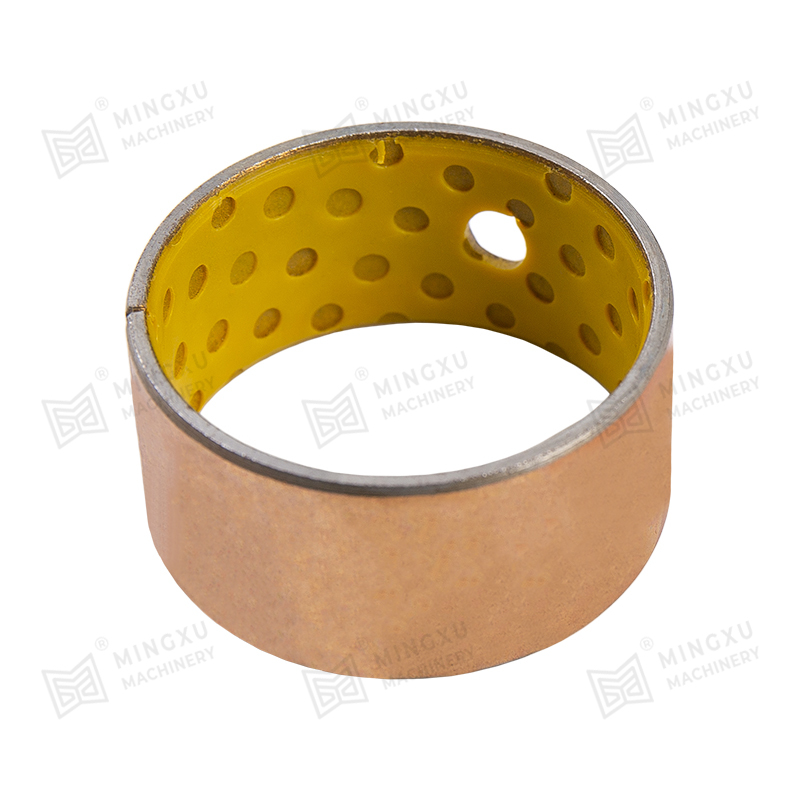
MXB-DX boundary oil-free bearings, equivalent to SF-2 self-lubricating or dry plain bearings, which is based on steel plate, sintered spherical bronze...
See Details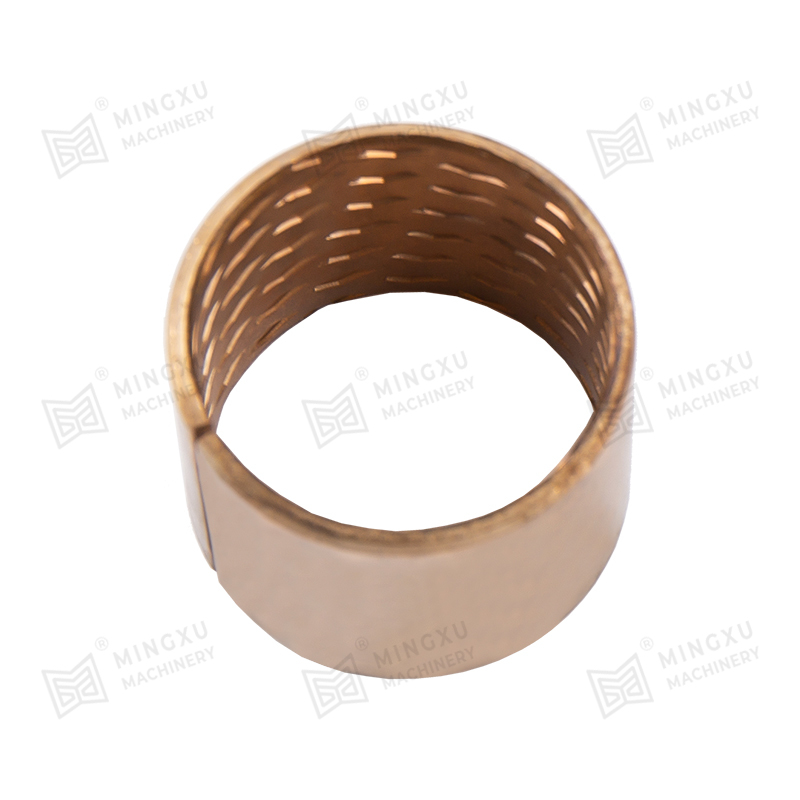
FB090 bronze bearings are made of tin bronze alloy CuSn8. The surface can be rolled with diamond or hemispherical oil holes and oil grooves according ...
See Details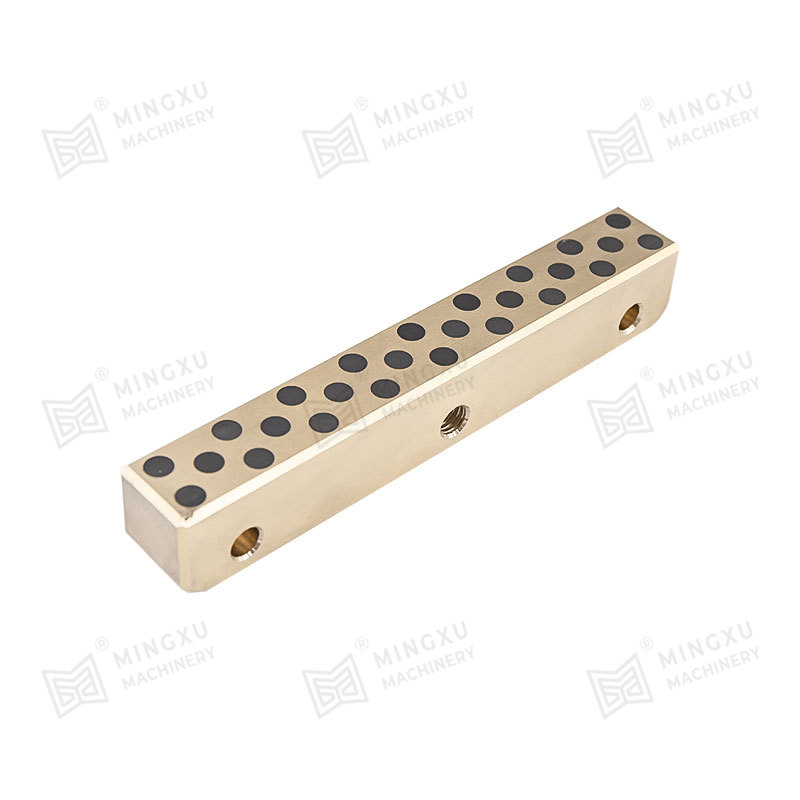
MXB-JGLDW self-lubricating guide rails are made of high-strength brass through CNC machine tools. The surface is inlaid with solid lubricants such as ...
See Details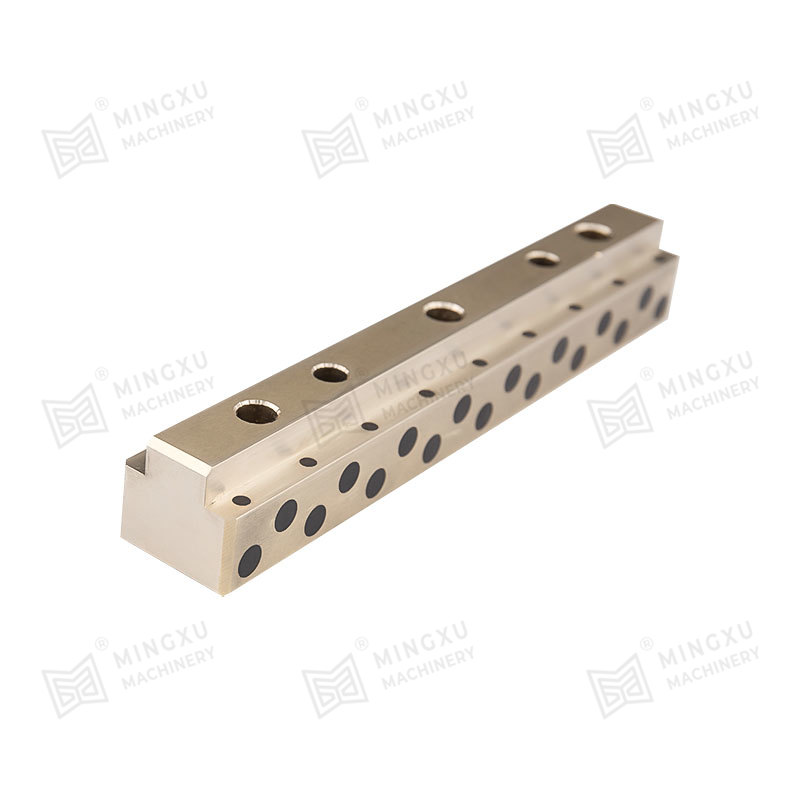
MXB-JTGLW self-lubricating guide rails provide resistance and reduce friction, ensuring extended durability and enhanced performance. This product pro...
See Details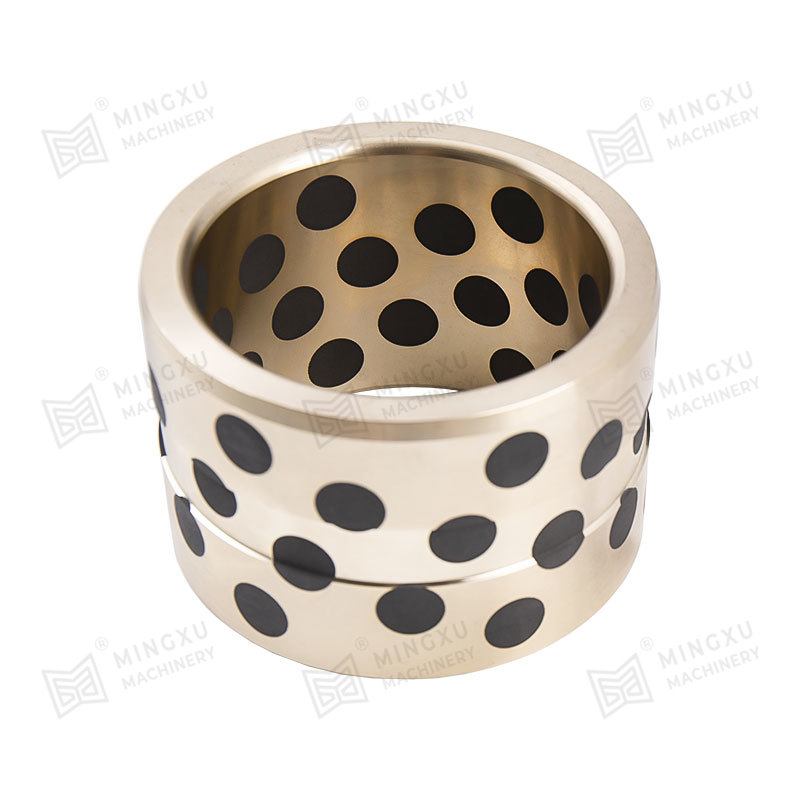
MJGB oil-free injection guide bushings are standard components used in the plastic injection molding process, providing lubrication-free guidance and ...
See Details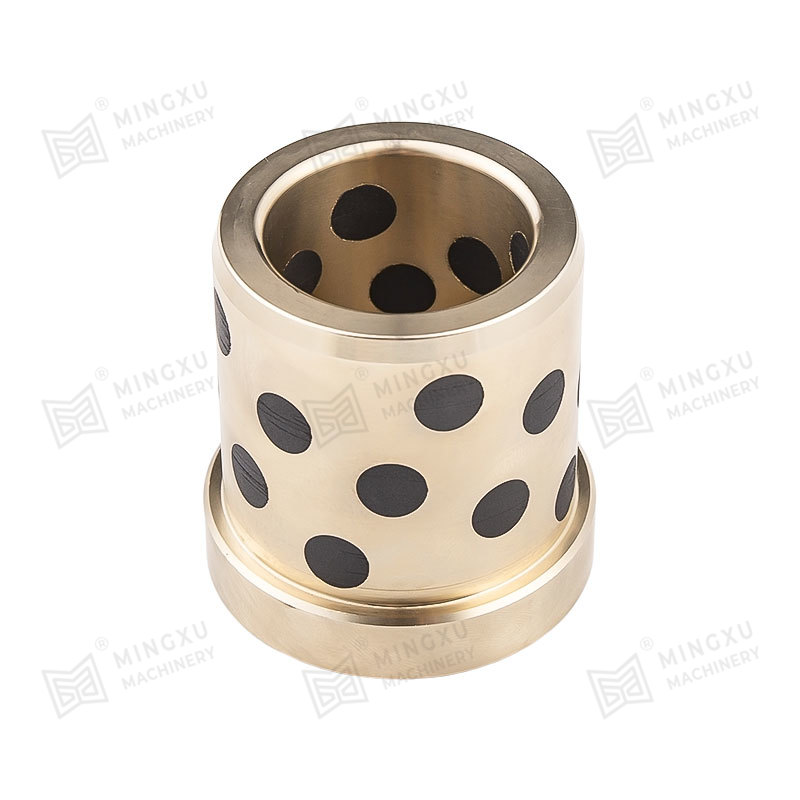
MJGBF oil-free injection guide bushings are components used in the plastic injection molding process to further improve manufacturing efficiency by en...
See Details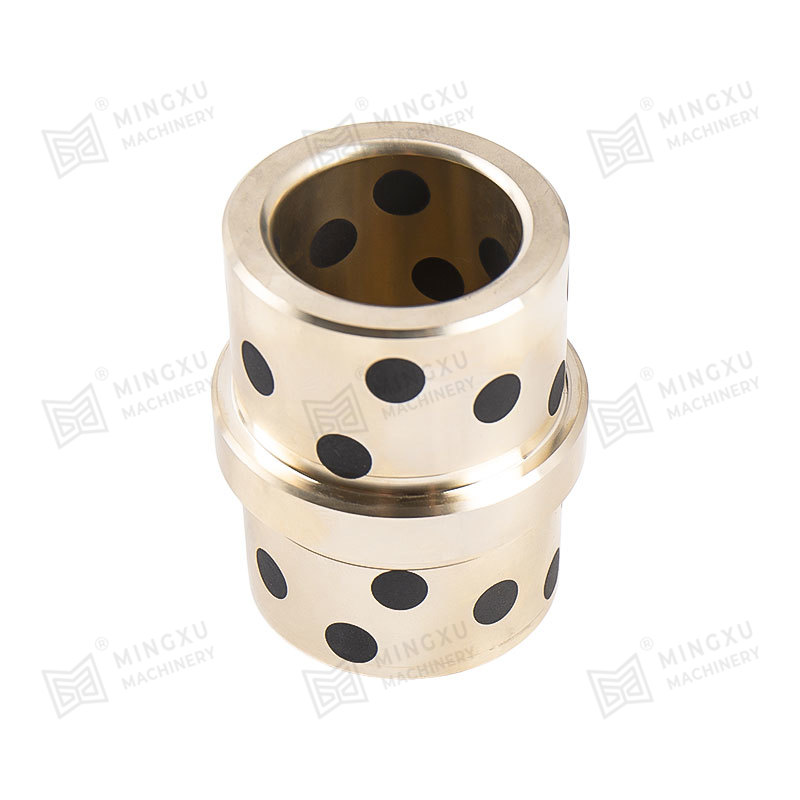
Normally, the push plate is supported by four reset rods. However, due to the low installation accuracy of the reset rods, when the push plate is larg...
See Details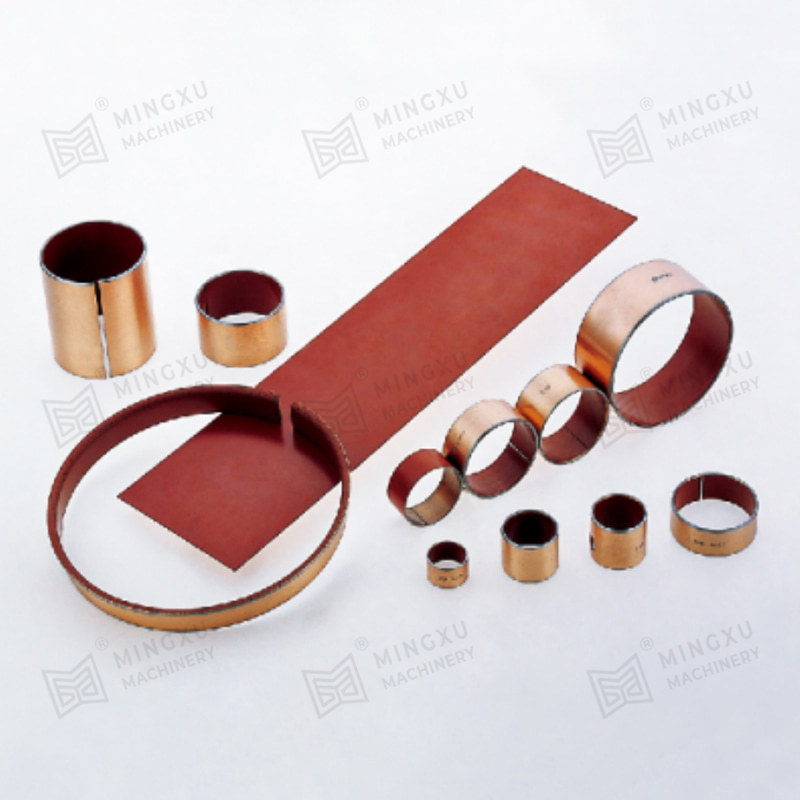
SF-1D hydraulic bearing is a new type of material designed based on SF-1P and combining the working principle of oil cylinder and shock absorber. It i...
See Details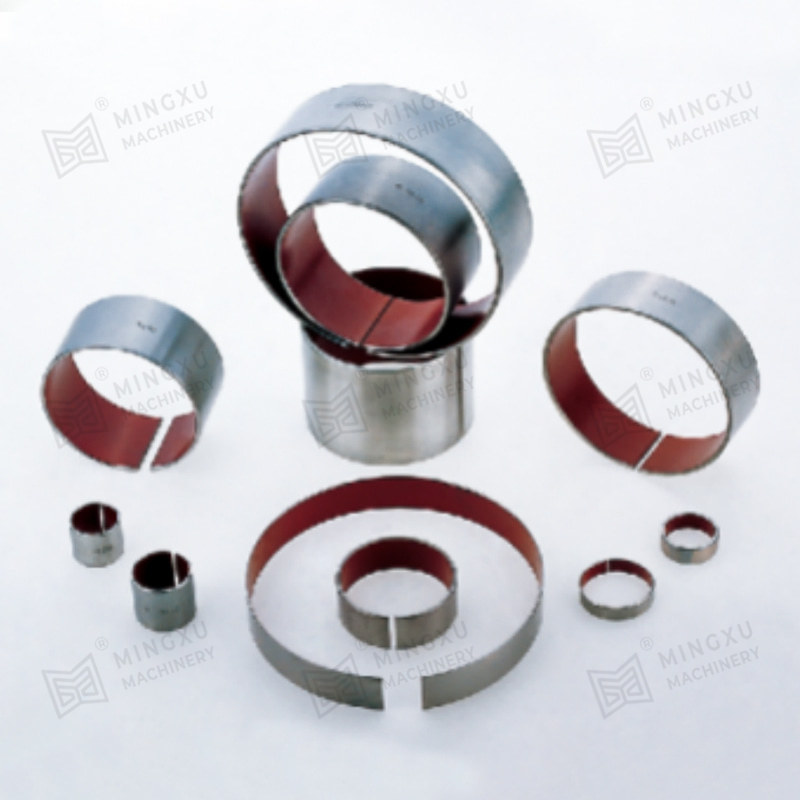
SF-1S stainless steel corrosion-resistant bearing is a very effective corrosion-resistant material that is formed by rolling with stainless steel as t...
See Details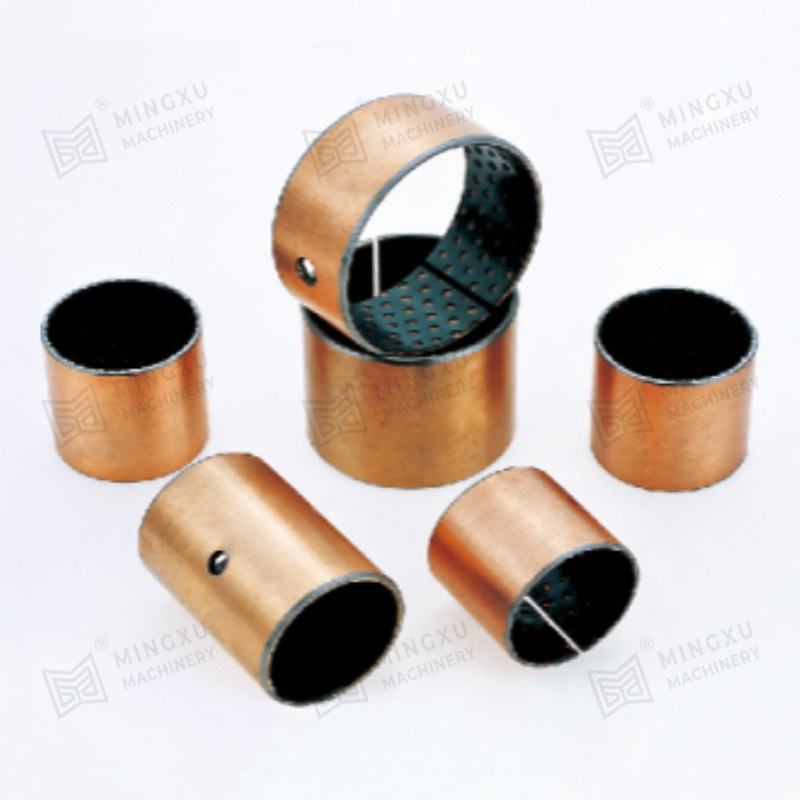
SF-PK PEEK triple composite bearing is a novel sliding bearing, which consists of steel plate, copper powder layer, PTFE + filling material. The main ...
See Details
 Tel: +86-136-6679-1592
 E-mail: [email protected]


Contact Us