Solid-lubricating bearings are critical components in modern industrial machinery, offering maintenance-free performance under challenging conditions. The choice of bearing materials directly impacts durability, load capacity, and operating efficiency. In 2026, advanced materials are driving innovation, enabling bearings to withstand high temperatures, heavy loads, and chemically aggressive environments without additional lubrication.
Key Properties of Advanced Solid-Lubricating Materials
Advanced materials for solid-lubricating bearings are engineered to combine self-lubrication with mechanical strength and thermal stability. Common properties include low friction coefficients, high wear resistance, corrosion resistance, and dimensional stability. These characteristics ensure long-term performance in demanding applications, such as heavy industry, automotive, aerospace, and food processing equipment.
- Self-lubricating capabilities to minimize maintenance and avoid external grease or oil
- High load-bearing capacity to support heavy and dynamic machinery
- Resistance to high temperatures, chemicals, and moisture
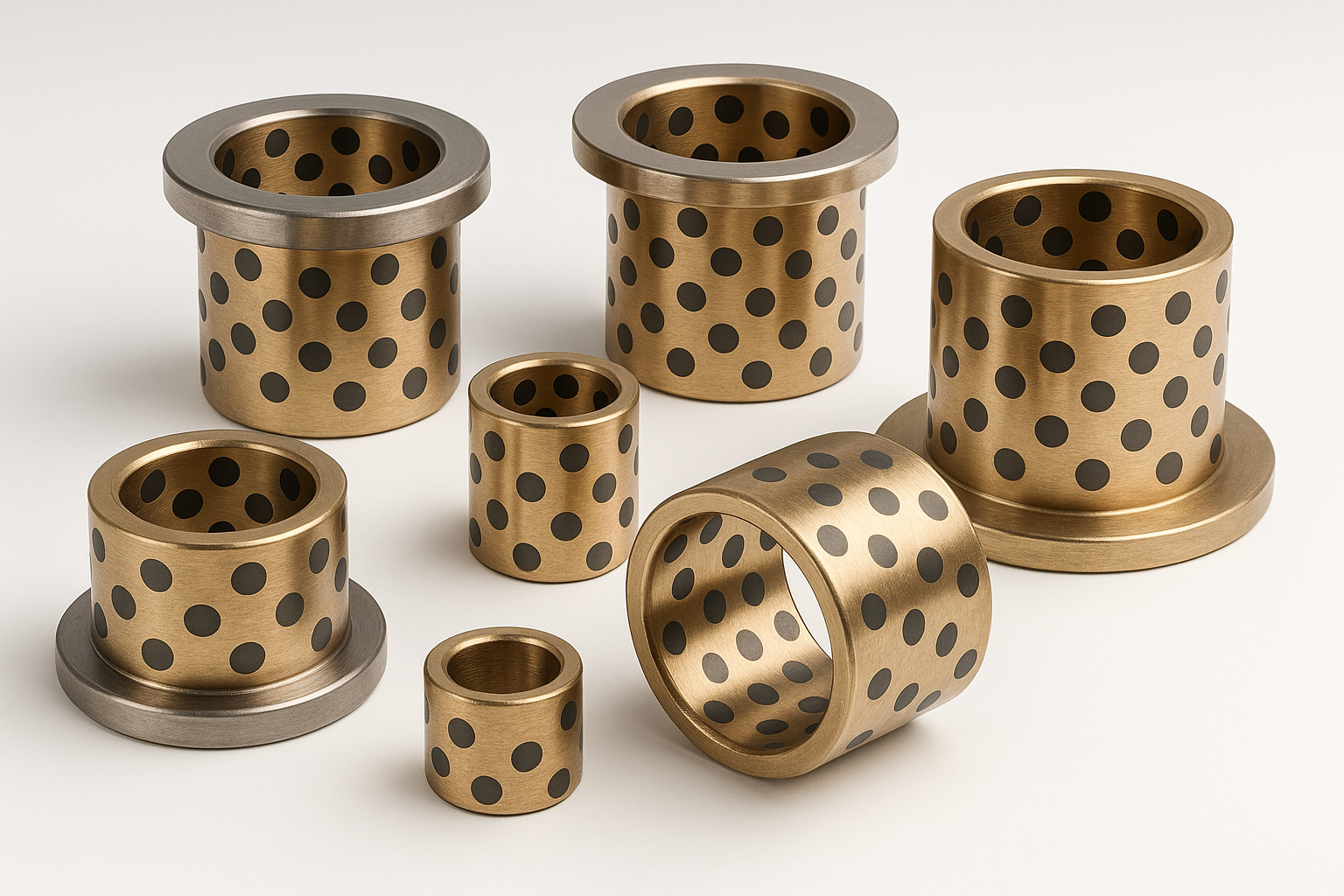
Popular Advanced Materials in 2026
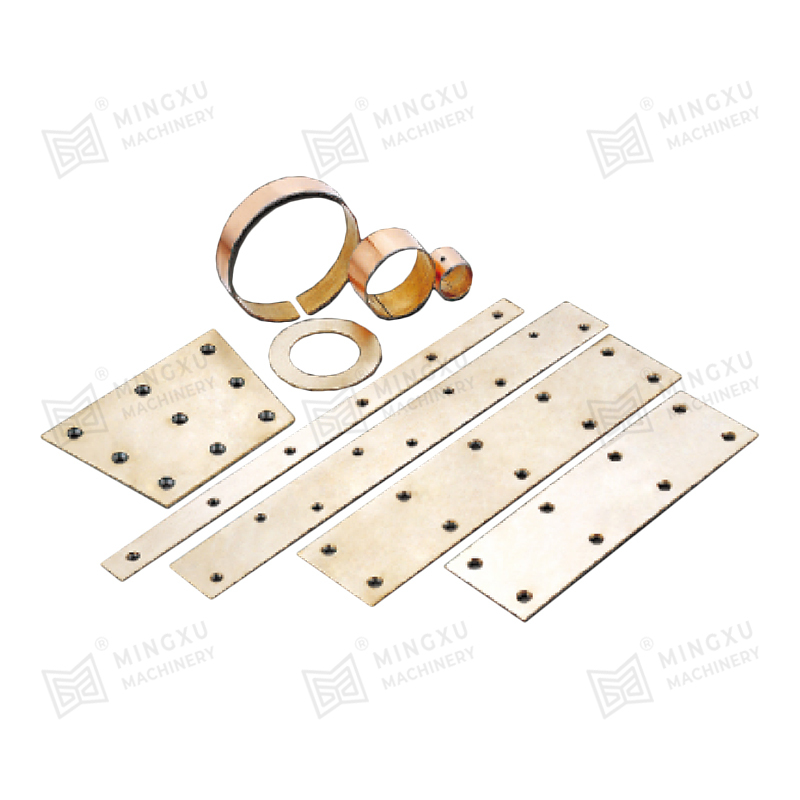
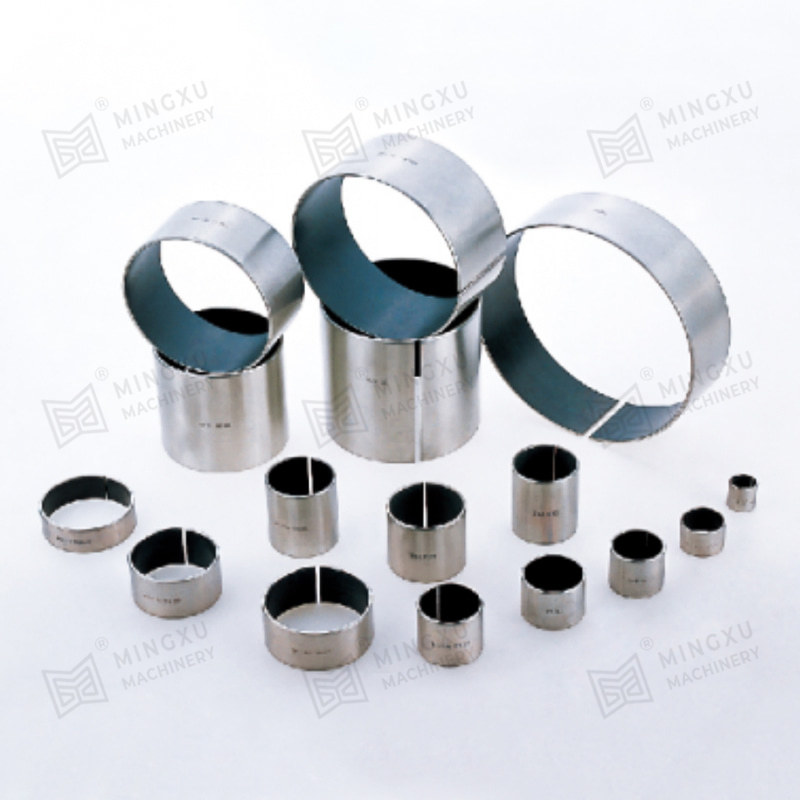
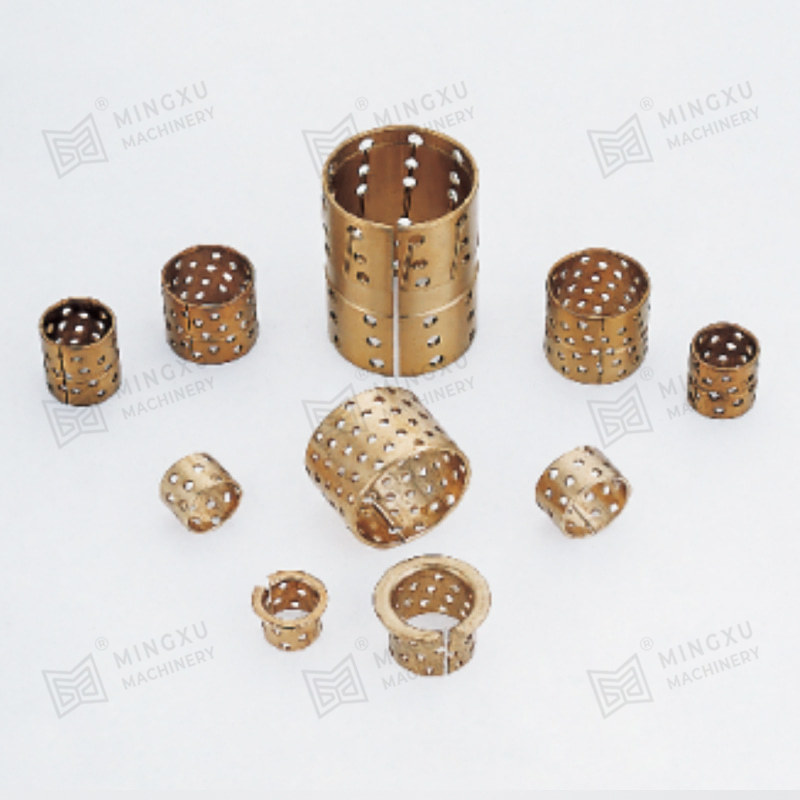
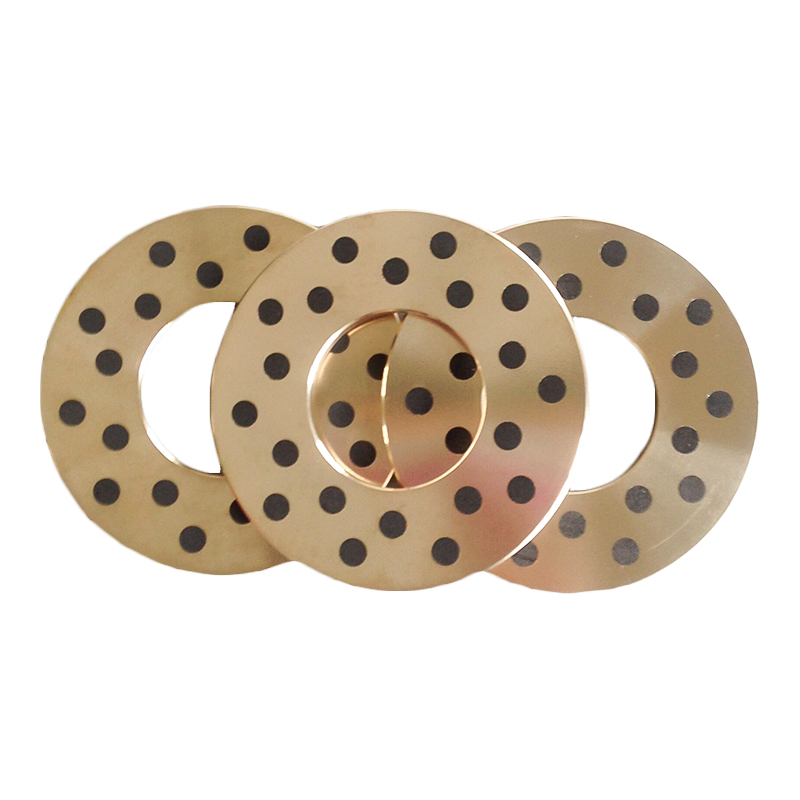
The latest solid-lubricating bearings utilize a combination of polymers, metals, and composite materials. Each material is selected for its unique advantages in wear resistance, self-lubrication, and environmental performance. The following table summarizes the commonly used materials and their key applications.
| Material |
Key Features |
Typical Applications |
| PTFE-Based Composites |
Low friction, chemical resistance, temperature tolerance |
Food processing, chemical machinery, wet environments |
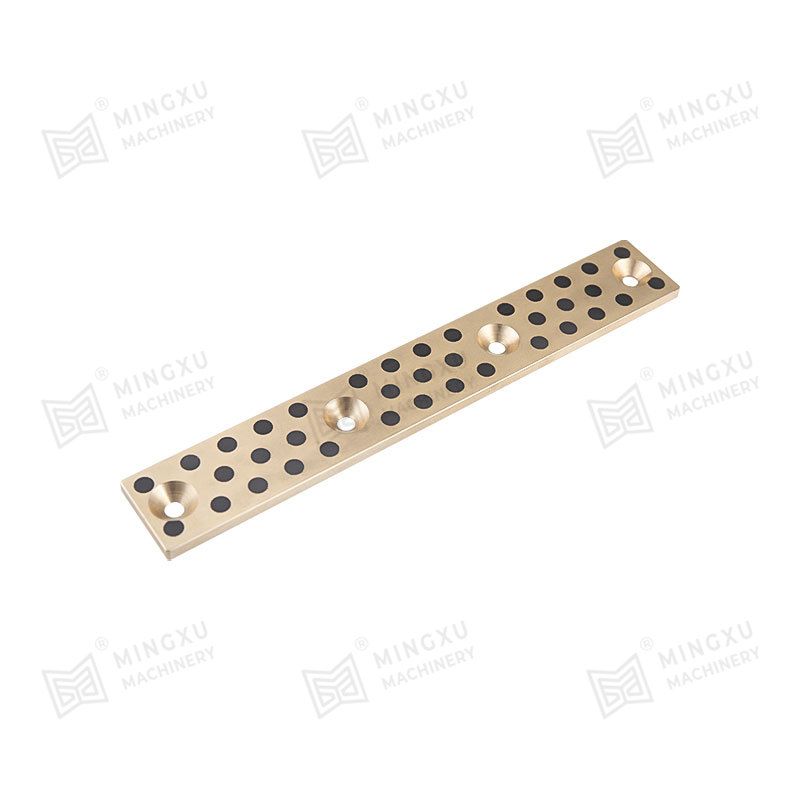
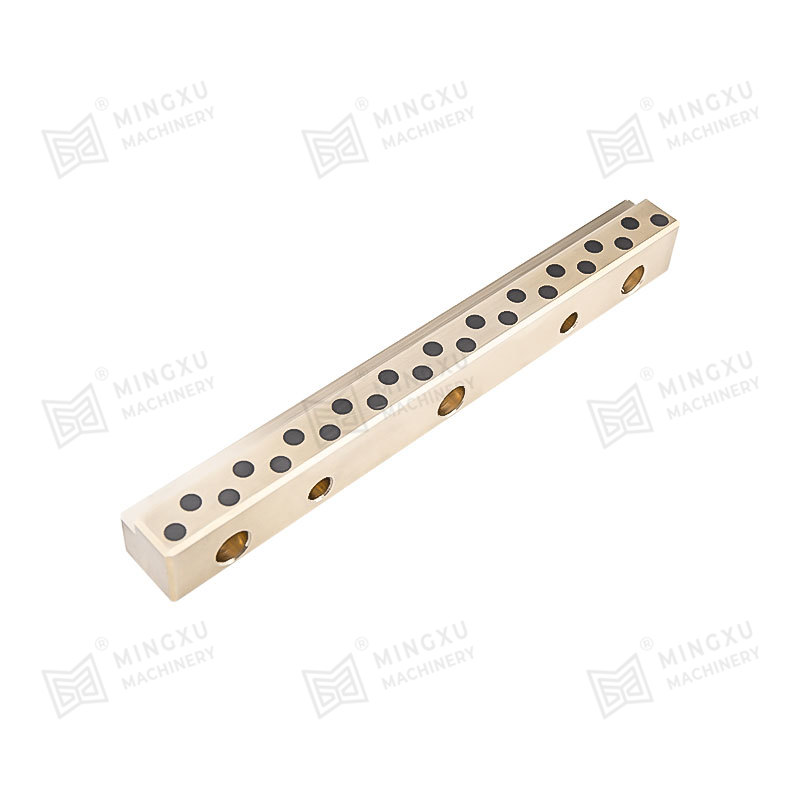
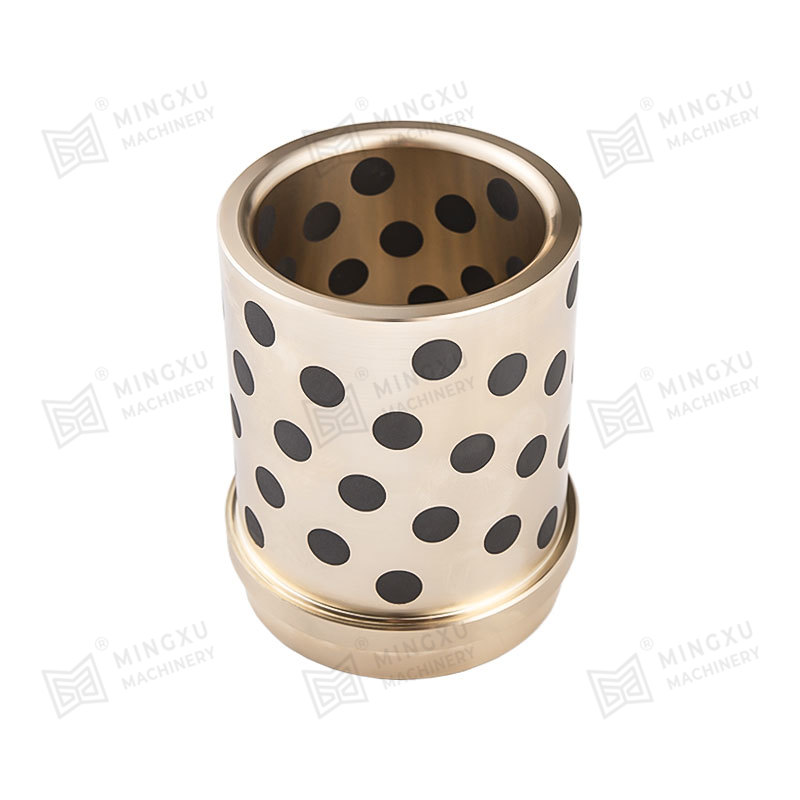
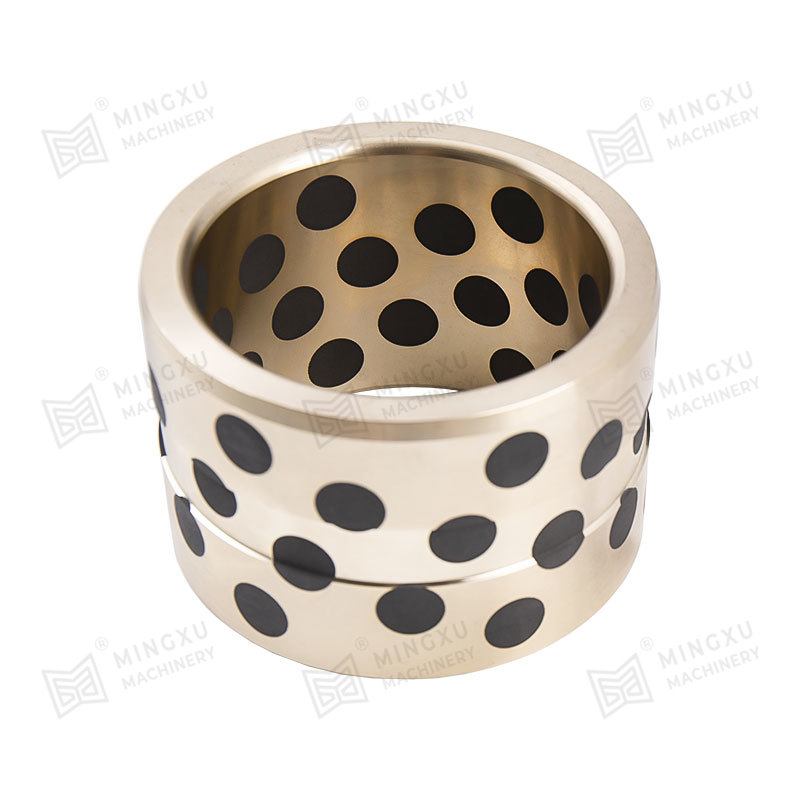
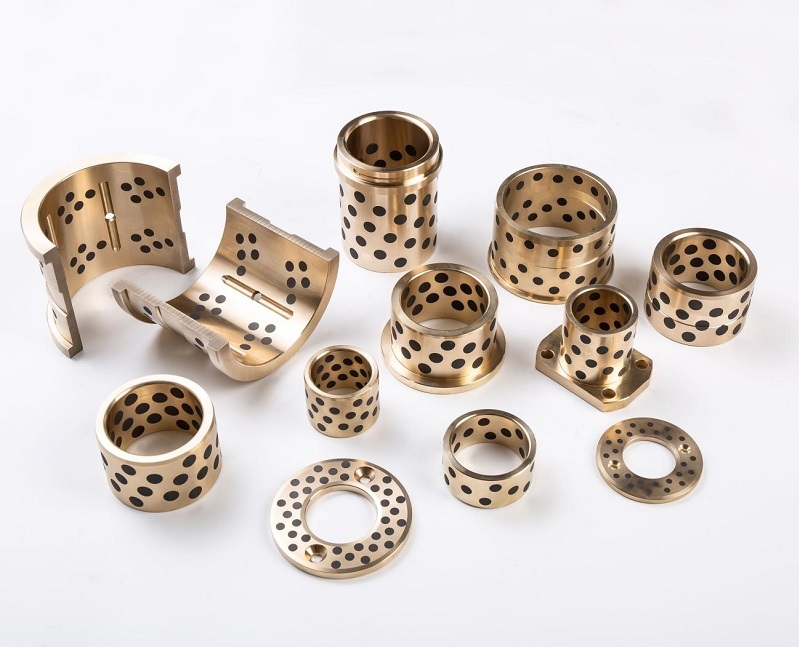
| Graphite-Infused Bronze |
High load capacity, solid lubrication, thermal stability |
Heavy machinery, automotive, high-temperature operations |
| Sintered Metal-Polymer Composites |
Wear resistance, corrosion protection, self-lubrication |
Industrial presses, conveyors, marine equipment |
| Ceramic-Filled Polymers |
Extreme wear resistance, high temperature, low friction |
Aerospace, precision machinery, high-speed applications |
Selecting the Right Material for Your Application
Choosing the appropriate solid-lubricating bearing material requires careful evaluation of operating conditions, load requirements, environmental exposure, and maintenance expectations. PTFE composites are ideal for wet and chemically active environments, while graphite-infused bronze suits high-load, high-temperature applications. Ceramic-filled polymers are preferred for precision and high-speed uses, and sintered metal-polymer composites provide a balance of strength and self-lubrication for industrial machinery.
Future Trends in Solid-Lubricating Bearing Materials
In 2026, the focus is on hybrid and eco-friendly materials that combine durability, self-lubrication, and environmental compliance. Manufacturers are integrating advanced polymers with recycled metals, enhancing wear resistance while reducing environmental impact. Additionally, digital simulation and additive manufacturing are being used to optimize material composition, creating bearings with precise mechanical performance tailored to specific applications.
Conclusion: Material Innovation Driving Reliability and Efficiency
Advanced materials for solid-lubricating bearings in 2026 enable higher reliability, lower maintenance, and longer service life across industrial applications. By understanding material properties, environmental tolerance, and load capabilities, engineers and designers can select the optimal bearing solution for each project, ensuring enhanced performance, reduced downtime, and operational efficiency.




 English
 Español





Contact Us