For purchasers, selecting a supplier is not just a balance between cost and quality; it is a comprehensive consideration of supply chain reliability and compliance. As a critical industrial component, self-lubricating bearings can lead to equipment downtime or safety accidents if there are quality issues, exposing customers to huge losses and reputational risks. ISO system certifications (such as ISO 9001, ISO 14001, ISO 45001) endorse a company's capabilities from a third-party perspective, directly addressing four core pain points for customers: quality stability, regulatory compliance, risk controllability, and long-term cooperation assurance.

Quality Stability: Avoiding the "Hidden Cost" Black Hole
Customer Pain Point: Products from non-certified suppliers have fluctuating defect rates, leading to increased hidden costs from after-sales repairs, returns, and even production line downtime.
Value of ISO Certification:
ISO 9001 certification requires companies to establish a full-process quality control system. For example, certified suppliers typically have a batch pass rate of ≥98% (source: 2023 Global Bearing Industry Quality Report), significantly higher than the 85%-90% rate for non-certified companies.
Case Study: In 2022, a US construction machinery manufacturer experienced abnormal wear in equipment after three months of operation due to purchasing non-certified bearings, with a single downtime repair cost of $120,000 (source: Annual Report of the American Equipment Maintenance Association). After switching to an ISO 9001-certified supplier, the failure rate for similar issues decreased by 72%.
Compliance Assurance: The "Password" for Bypassing Trade Barriers
Customer Pain Point: Markets in the EU, North America, etc., have strict regulatory requirements for environmental protection (such as RoHS, REACH) and labor rights, and supplier violations can lead to order cancellations or fines.
Value of ISO Certification:
ISO 14001 certification ensures that a supplier's production process complies with international environmental standards. According to EU customs statistics in 2023, 97% of self-lubricating bearing returns due to excessive heavy metal content came from companies without ISO 14001 certification (source: RAPEX, the EU's rapid alert system for non-food products).
Case Study: In 2023, a Swedish wind power company was fined €2.3 million for a supplier's cadmium content exceeding the EU limit (0.012% vs. 0.01% limit), and subsequently mandated that suppliers must hold ISO 14001 certification (source: Swedish Environmental Protection Agency announcement).
Risk Controllability: Data-Driven Verification of Supply Chain Reliability
Customer Pain Point: Lack of transparent data to assess a supplier's true capabilities, with high costs and difficulty in sustained monitoring through on-site factory inspections.
Value of ISO Certification:
Certification reports provide quantifiable indicators, such as "on-time delivery rate ≥95%" (ISO 9001) and "production accident rate ≤0.1%" (ISO 45001), helping customers quickly screen for quality suppliers.
Case Study: In the 2023 supplier bidding process, Bosch Group required bidding companies to provide "annual injury rate" data from ISO 45001 certification. The winning company's injury rate was only one-third of the industry average (0.2% vs. 0.6%), significantly reducing the risk of sudden supply chain disruptions (source: Bosch Supply Chain White Paper).
Long-Term Cooperation Assurance: From "Transactions" to "Co-Evolution"
Customer Pain Point: Short-term low-price suppliers may be eliminated by the market due to poor management or technological lag, forcing customers to frequently switch supply chains.
Value of ISO Certification:
ISO systems require companies to continuously improve processes and management. For example, certified suppliers have an average R&D investment intensity 40% higher than non-certified companies, enabling them to respond more quickly to customer customization needs (source: 2024 Global Bearing Technology Innovation Index).
Case Study: Komatsu Group has collaborated with an ISO-certified Chinese supplier for five years, jointly developing high-temperature-resistant (-50°C to 250°C) self-lubricating bearings that extend the lifespan of excavator hydraulic systems by 30%. Both parties have jointly obtained patents and shared the technological benefits (source: Komatsu Group 2023 Technology Annual Report).
Social Responsibility: Protecting Customer Brand Reputation
Customer Pain Point: If a supplier has environmental violations or labor rights issues, it may trigger a public relations crisis for the customer's brand.
Value of ISO Certification:
ISO 45001 certification ensures a safe working environment for suppliers, while ISO 14001 certification mitigates pollution risks. In 2023, after Amazon, Walmart, and other companies faced consumer boycotts due to supply chain human rights issues, they required 100% of new suppliers to pass social responsibility-related certifications (source: Business for Social Responsibility (BSR) report).
Case Study: In 2022, Alstom's share price plummeted 7% in a single day after a supplier was exposed for employing child labor. Subsequently, the company fully adopted ISO 45001-certified suppliers (source: Reuters report).
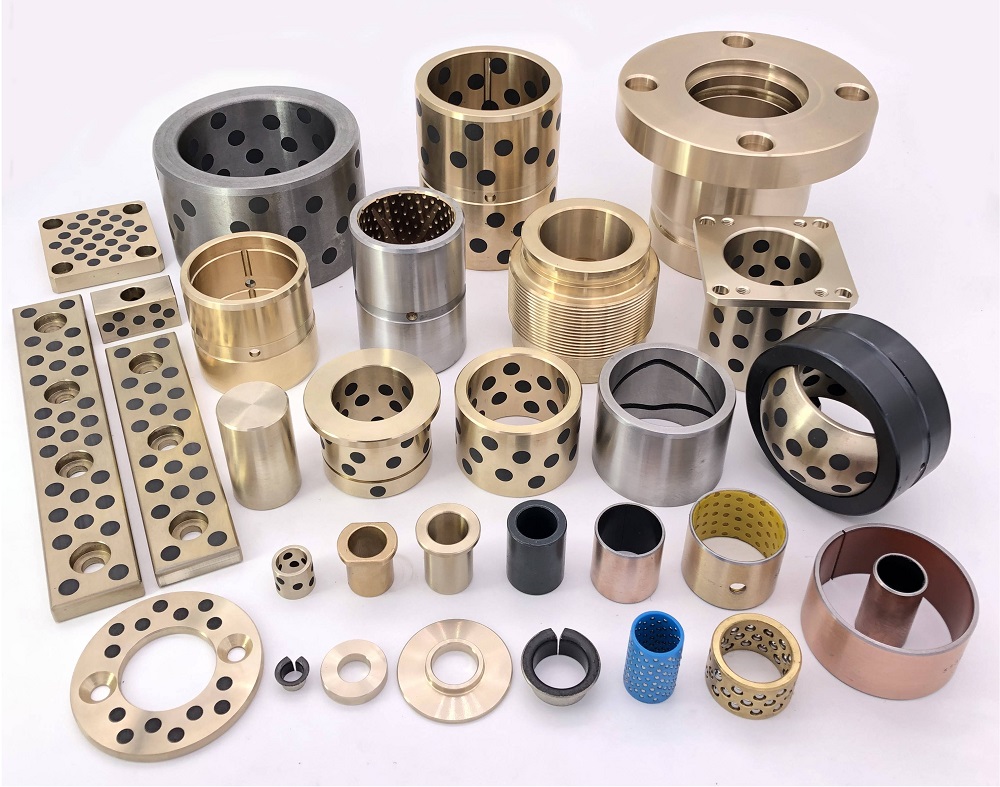
For you, ISO certification is the "lowest-cost factory audit report." It converts a supplier's capabilities into quantifiable and traceable trust assets using internationally recognized standards, helping customers achieve three goals: reducing short-term risks (quality/compliance), controlling long-term costs (supply chain stability), and enhancing brand value (social responsibility). In today's highly specialized global division of labor, choosing ISO-certified suppliers is no longer a "high standard" but a business common sense for avoiding systemic risks.


For you, ISO certification is the "lowest-cost factory audit report." It converts a supplier's capabilities into quantifiable and traceable trust assets using internationally recognized standards, helping customers achieve three goals: reducing short-term risks (quality/compliance), controlling long-term costs (supply chain stability), and enhancing brand value (social responsibility). In today's highly specialized global division of labor, choosing ISO-certified suppliers is no longer a "high standard" but a business common sense for avoiding systemic risks.




 English
 Español





Contact Us