



 English
 Español
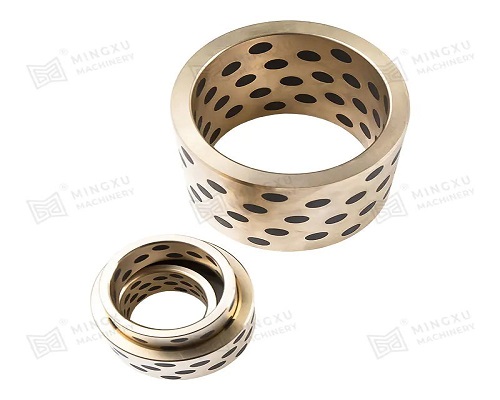
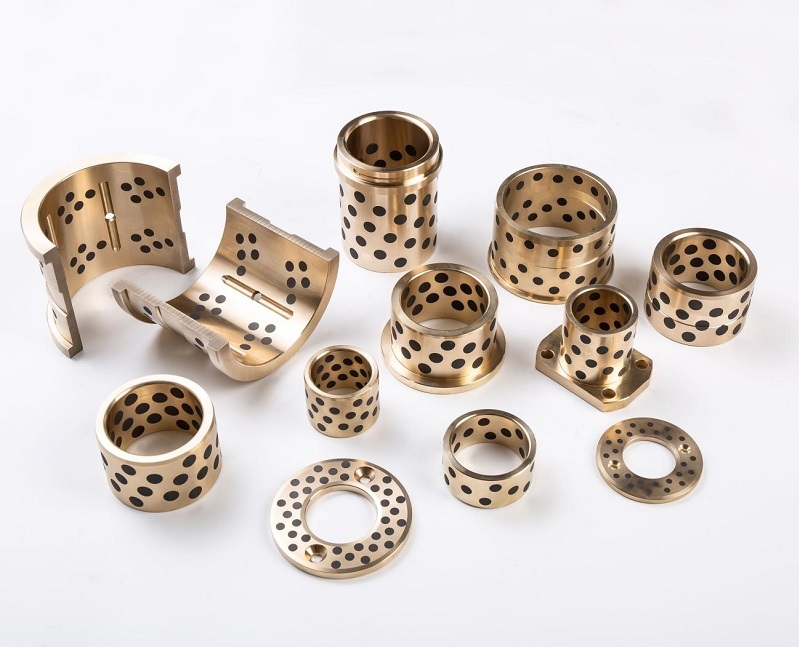
MXB-JDBU Self-Lubricating Casting Bronze Bearing
Cat:Self-Lubricating Bearing
MXB-JDBU Self-Lubricating Casting Bronze Bearing is a high-performance solid lubricating product inlaid with graphite or mos2 solid lubricant on a hig...
See DetailsMaintenance-free bearings epitomize the convergence of tribology, materials science, and precision engineering, delivering unprecedented operational longevity in extreme environments from aerospace propulsion to subsea energy systems. This article dissects the multi-physics design frameworks, self-lubricating nanocomposites, and failure prediction algorithms that define next-generation maintenance-free bearing systems, while addressing challenges in high-cycle fatigue, contamination immunity, and cross-industry certification compliance.
Content
The operational permanence of maintenance-free bearings originates from atomic-scale material innovations:
Matrix Alloy Design:
Precipitation-hardened stainless steels (e.g., ASTM F1586) with 18% Cr, 10% Ni, and 3% Mo achieve 1,200 MPa UTS while resisting chloride-induced SCC (ASTM G36).
Powder metallurgy Fe-Cu-Sn-C composites enabling oil-less operation through controlled porosity (15–25% vol.) for lubricant reservoir functionality.
Solid Lubricant Integration:
Graphene-PTFE nanocomposite layers (50–200 μm) deposited via aerosol jet printing, reducing COF to 0.03 under 2.5 GPa Hertzian contact.
MXene (Ti₃C₂Tₓ) coatings demonstrating self-replenishing lubrication via shear-induced tribofilm formation.
Surface Engineering:
Laser shock peening inducing 500–800 MPa compressive residual stresses, enhancing RCF life by 300% (ISO 281 L10 calculations).
Diamond-like carbon (DLC) multilayer architectures (a-C:H/a-C:W) achieving <0.1 μm/1,000h wear rates in vacuum environments.
Advanced simulation frameworks optimize maintenance-free operation across operational envelopes:
Multi-Body Dynamics Modeling:
Discrete element method (DEM) simulations predicting particle contamination effects down to 5 μm debris size (ISO 16281 standards).
Transient thermal-structural coupling analyses for 180°C thermal gradient management in EV traction motors.
Lubrication Regime Control:
Micro-textured raceways (20–50 μm dimples) maintaining elastohydrodynamic (EHD) films under starved lubrication (λ ratio >1.5).
Magnetorheological fluid-incorporated cages dynamically adjusting viscosity by 10³ cP under 0.5T fields.
Vibration Signature Engineering:
Bio-inspired helical raceway geometries suppressing 1,200–2,500 Hz NVH frequencies through modal decoupling.
Autonomous tribological systems eliminate external intervention:
Phase-Change Lubricants:
Metallic glass alloys (Zr₆₅Cu₁₇.₅Ni₁₀Al₇.₅) releasing liquid-like layers at >250°C contact flash temperatures.
Paraffin-cored microcapsules (50–100 μm) rupturing under load to replenish WS₂ lubricant.
Biomimetic Self-Healing:
Diels-Alder polymer networks achieving 92% crack healing efficiency at 80°C within 30 minutes.
Microvascular networks circulating ionic liquid lubricants via capillary action (0.5–2 μL/hr flow rates).
Environmental Energy Harvesting:
Triboelectric nanogenerators (TENG) converting vibration energy (10–100 Hz) to power embedded condition monitoring sensors.
Validation protocols simulate decades of service in compressed timelines:
Enhanced ASTM D4172 Testing:
3,000-hour Four-Ball tests under 4 GPa contact stress with in-situ μ-Raman wear mechanism analysis.
Combined fretting-corrosion testing per ASTM G204 with 5% NaCl mist exposure.
Digital Twin Prognostics:
Physics-informed neural networks (PINN) predicting L₅₀ life within ±5% accuracy using 12 operational parameters.
Blockchain-immutable lifetime records integrating 20+ sensor data streams (vibration, temperature, acoustic emissions).
Contamination Resilience Testing:
ISO 12103-1 A3 Fine Test Dust ingestion at 0.1 g/hr rates during 10⁹ revolution endurance trials.
Case Study: Siemens Gamesa’s 15 MW turbine employs maintenance-free spherical roller bearings with:
TaC-reinforced Si₃N₄ hybrid ceramics (HV1,800)
120-year design life under 7 MW variable torque loading
-40°C cold start capability via phase-stable lubricants
Airbus A350 Flap Track Bearings:
MoS₂/TiN multilayer coatings (0.2 μm thickness gradient)
15,000 flight cycles without relubrication
50% weight reduction vs. conventional steel bearings
MRI-Compatible Surgical Arm Bearings:
ZrO₂-Al₂O₃ composites with <0.01 ppm metallic ions release
0.5 μm positioning repeatability under 10⁴ N radial loads
Next-gen bearings align with ISO 14040 LCA standards through:
Regenerative Manufacturing:
95% metal powder reuse in binder jetting processes (ASTM F42 standards).
CO₂-negative graphene production via methane pyrolysis.
Self-Disassembly Mechanisms:
Shape-memory polymer cages releasing components at 150°C for effortless recycling.
Electrochemical de-bonding of DLC coatings for substrate reclamation.
Bio-Based Lubricants:
Epoxidized soybean oil formulations achieving 80% biodegradation in 28 days (OECD 301B).
Quantum Tribology:
Electron density functional theory (DFT) optimizing 2D lubricant interlayer spacings.
Superlubricity states in graphene-hBN heterostructures under UHV conditions.
IoT-Enabled Bearings:
Embedded MEMS sensors (<1 mm³) monitoring real-time μ-level lubricant film thickness.
Edge-AI chips executing remaining useful life (RUL) predictions every 10⁶ cycles.
4D-Printed Adaptive Bearings:
Humidity-responsive hydrogel raceways adjusting clearance by ±5 μm.
Magnetic shape memory alloys self-adjusting preload under variable speeds.
Market analysts (Frost & Sullivan, 2027) project 9.8% CAGR for maintenance-free bearings, driven by renewable energy and Industry 4.0 adoption.
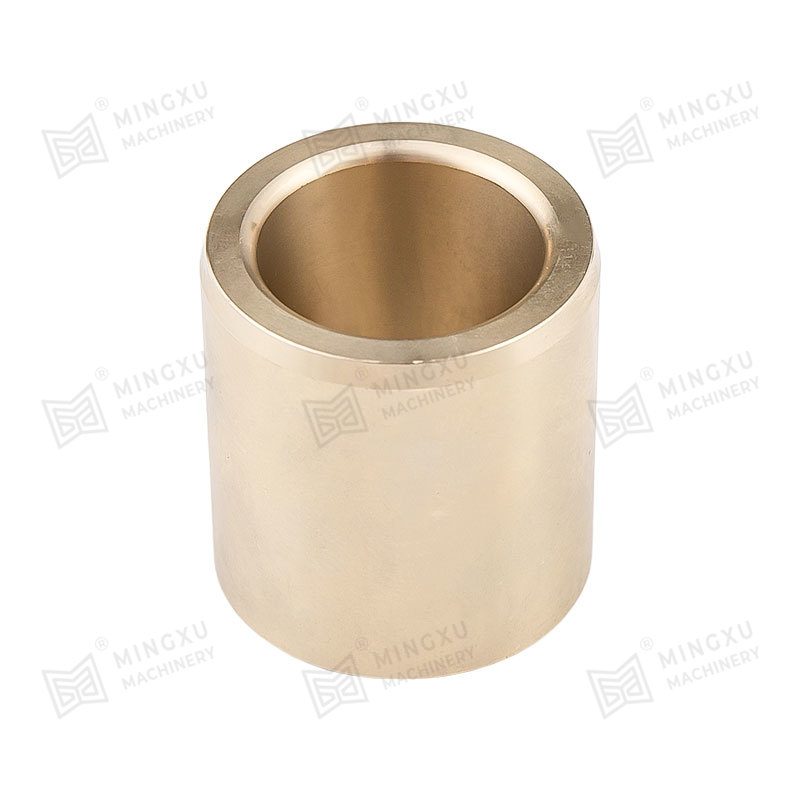
MXB-JDBU Self-Lubricating Casting Bronze Bearing is a high-performance solid lubricating product inlaid with graphite or mos2 solid lubricant on a hig...
See Details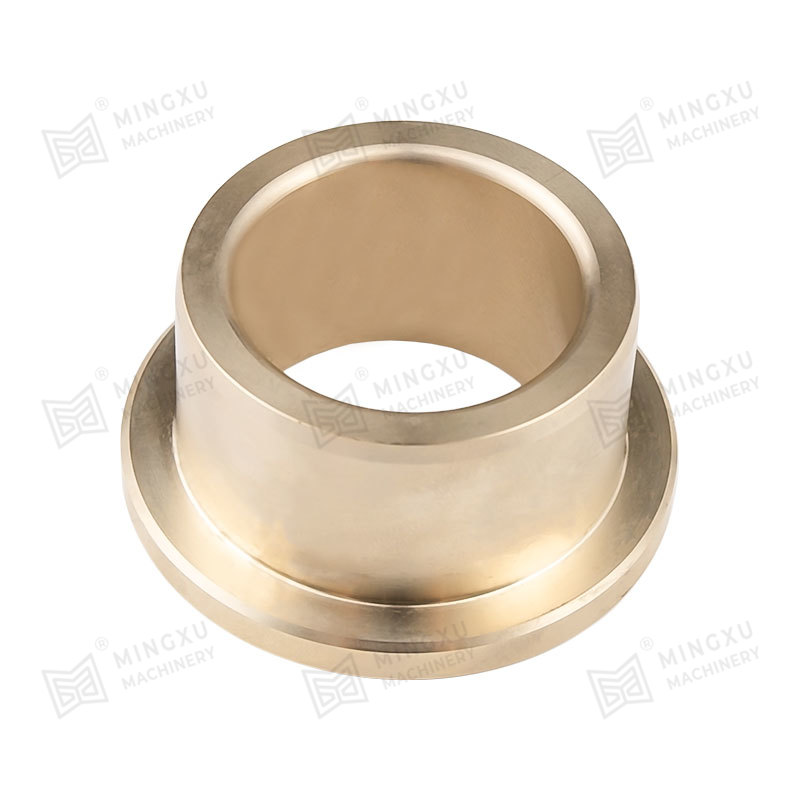
MXB-JDBUF self-lubricating casting bronze bearings combine the advantages of self-lubricating and flange design. The raw materials are made of high-qu...
See Details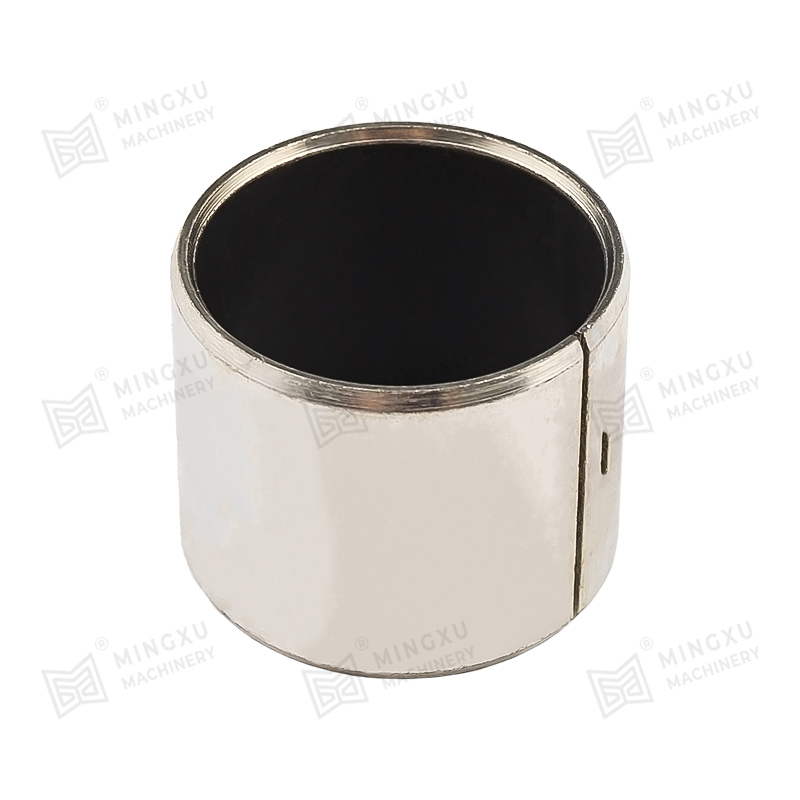
SF stands for three-layer composite, namely steel plate layer, copper powder layer and plastic layer. The steel plate layer plays the role of assembly...
See Details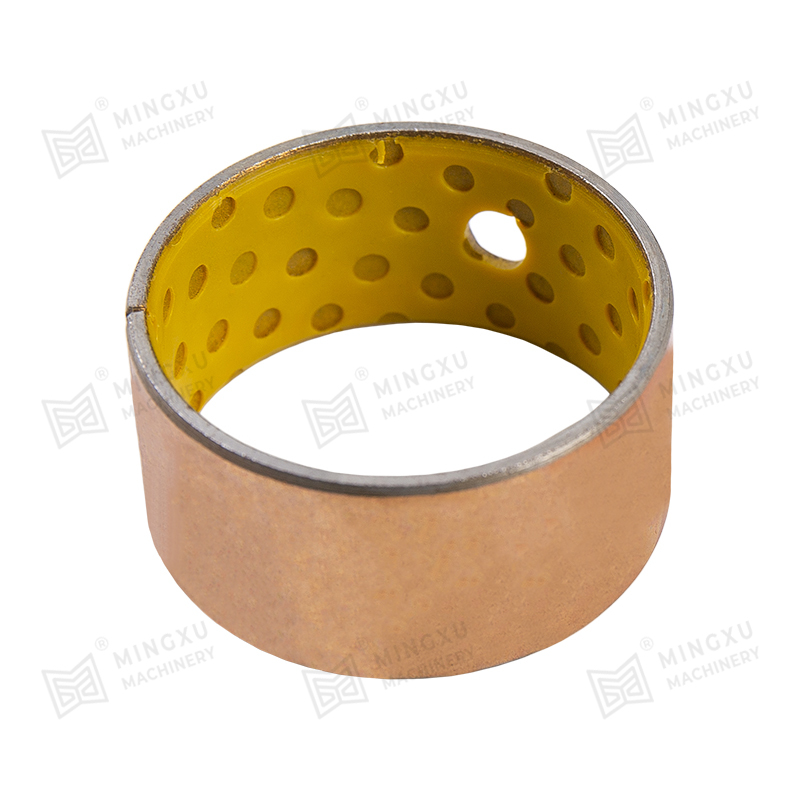
MXB-DX boundary oil-free bearings, equivalent to SF-2 self-lubricating or dry plain bearings, which is based on steel plate, sintered spherical bronze...
See Details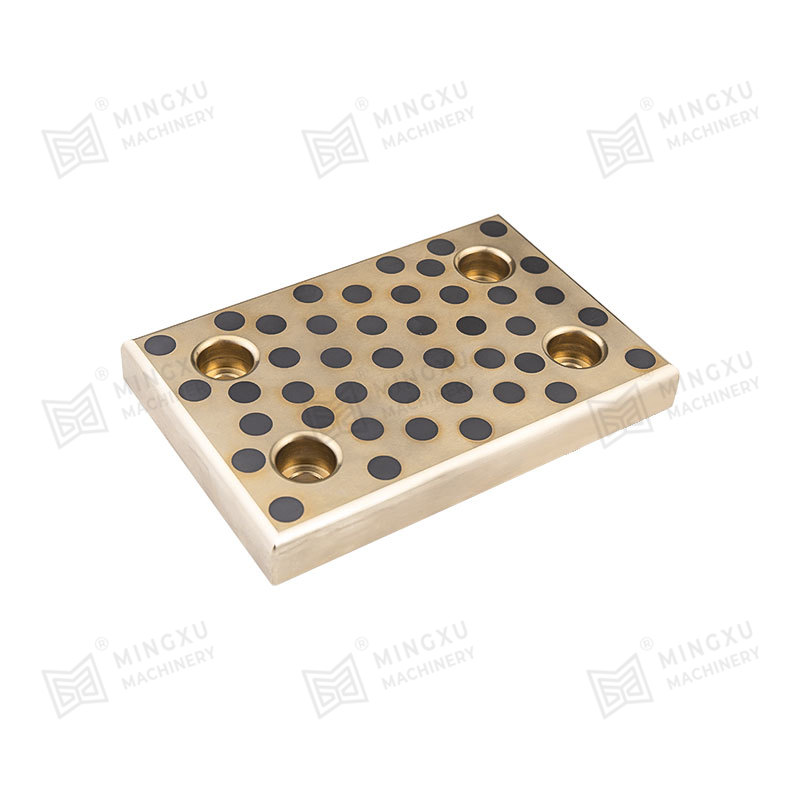
MXB-JESW slide plates are 2-hole and 4-hole wear-resistant heavy-duty slide plates. They are standardized products and compatible with many brands, su...
See Details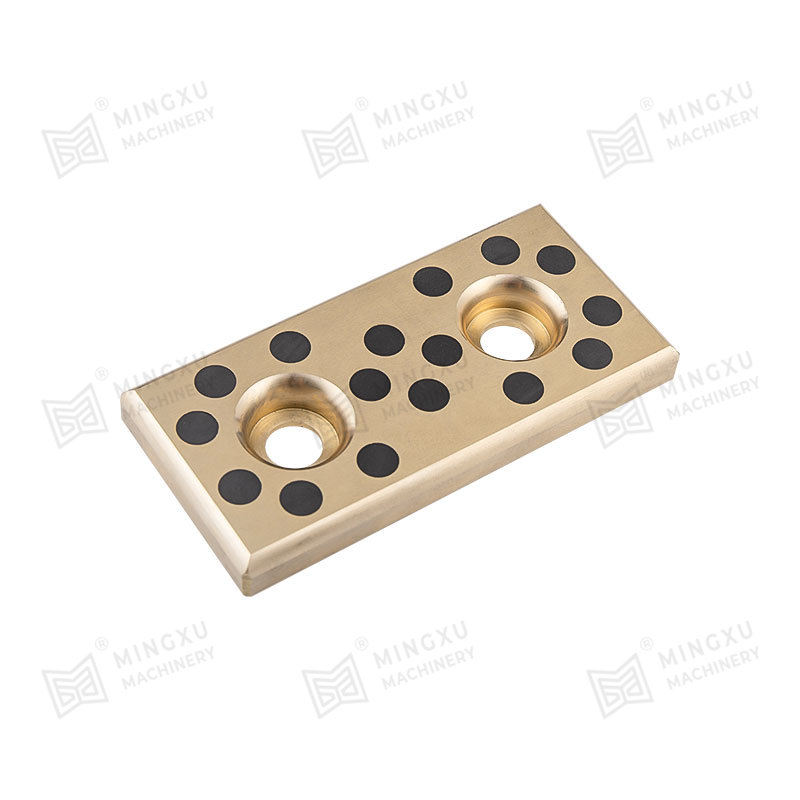
Mining machinery and equipment are very easy to wear during use. In order to extend the service life of the equipment, Mingxu Machinery recommends tha...
See Details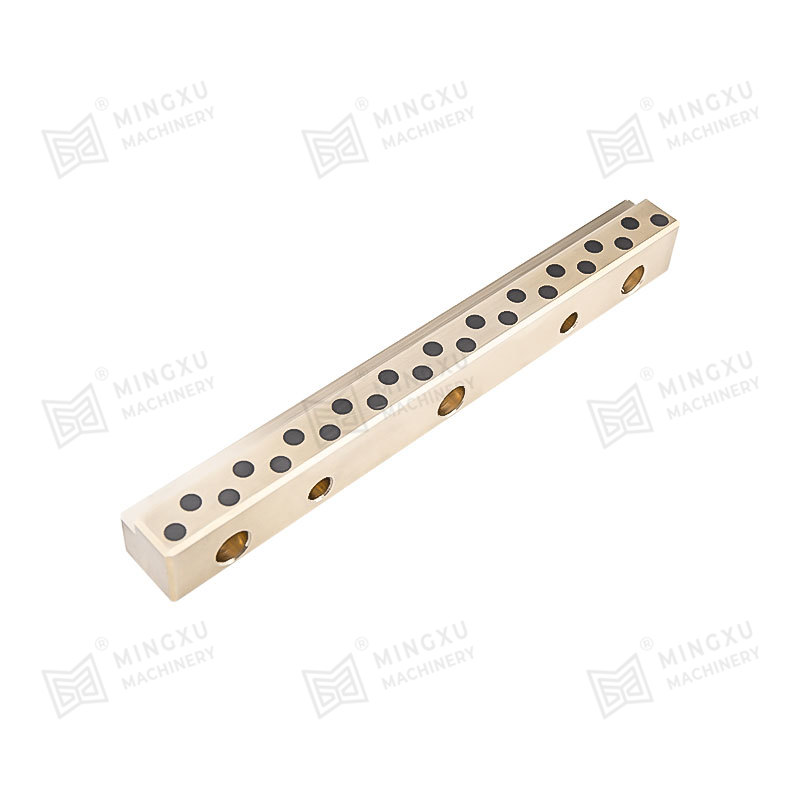
MXB-JGLX self-lubricating guide rails cover multiple properties such as high wear resistance, high temperature resistance, corrosion resistance, etc.,...
See Details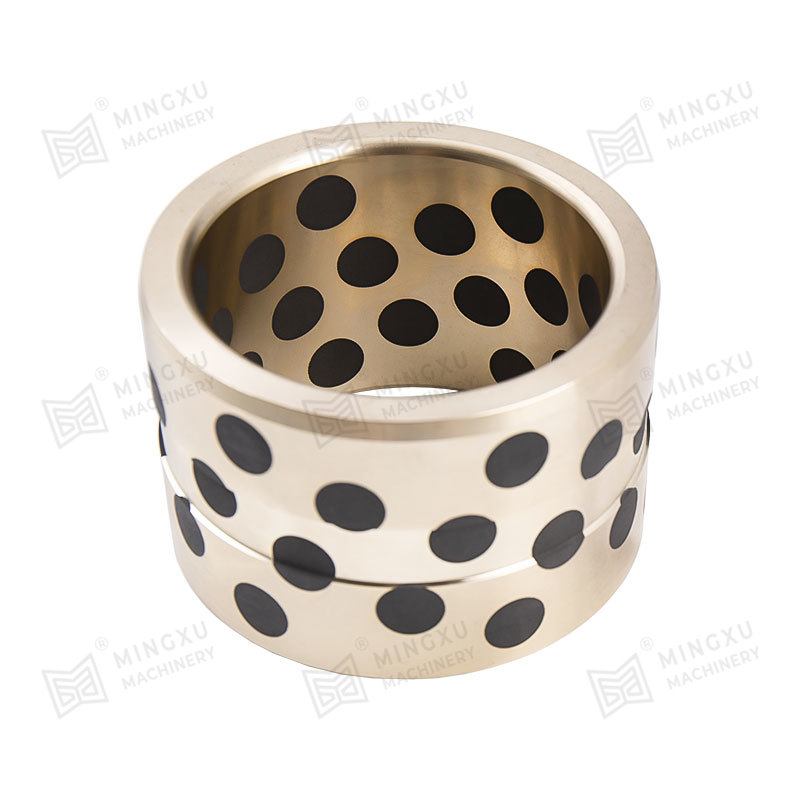
MJGB oil-free injection guide bushings are standard components used in the plastic injection molding process, providing lubrication-free guidance and ...
See Details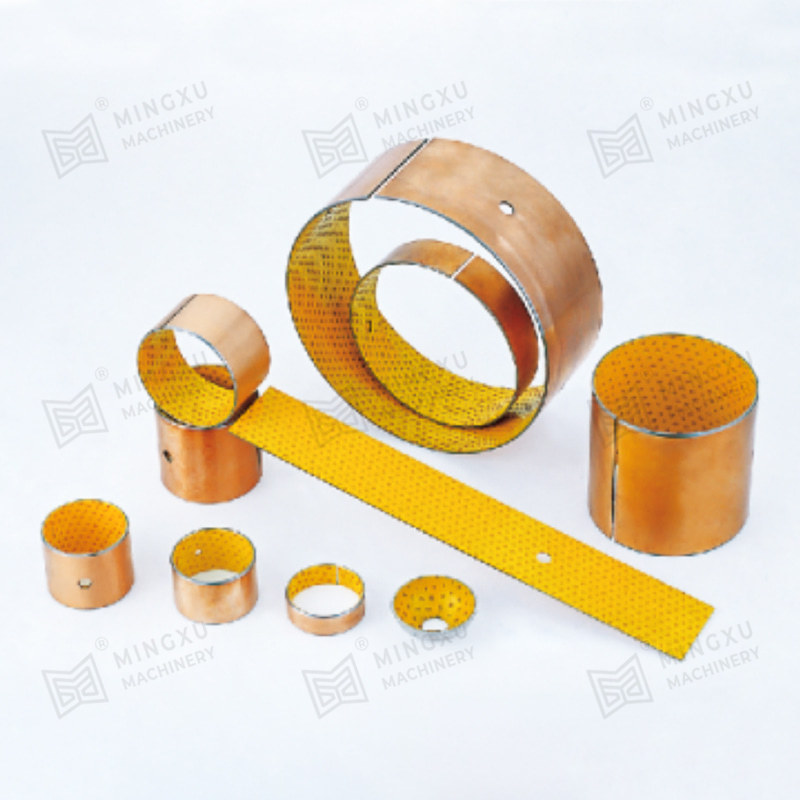
Boundary lubricated lead-free bearings are improved on the basis of SF-2. Its performance is the same as SF-2, but the surface does not contain lead, ...
See Details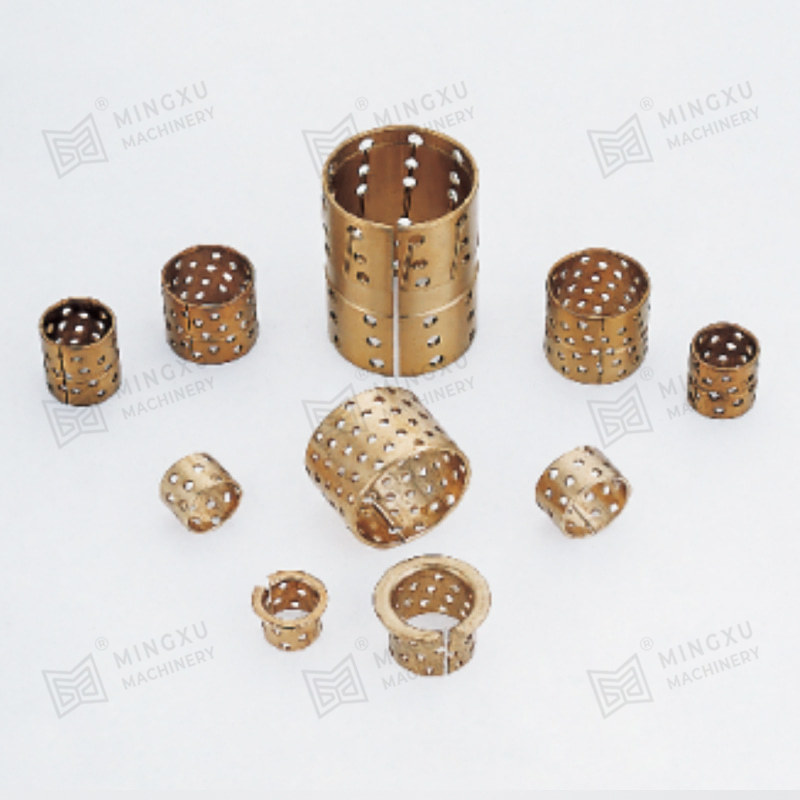
FB092 bronze punch bearings are made of bronze material as the base, with uniform and orderly oil injection holes processed. They are rolled into thin...
See Details
 Tel: +86-136-6679-1592
 E-mail: [email protected]


Contact Us