Content
- 1 Why Choosing the Right Maintenance-Free Bearing Matters
- 2 Load Capacity and Load Type
- 3 Speed Ratings and Thermal Considerations
- 4 Environmental Factors: Contamination, Moisture, and Corrosion
- 5 Material Selection: Metals, Polymers, and Composite Systems
- 6 Wear Mechanisms and Expected Service Life
- 7 Installation, Fit, and Mounting Considerations
- 8 Standards, Certifications, and Supplier Data Sheets
- 9 Cost, Total Cost of Ownership, and ROI
- 10 Testing, Validation, and Field Trials
- 11 Selection Checklist
- 12 Conclusion: Match Technology to Application, Not Hype
Why Choosing the Right Maintenance-Free Bearing Matters
Maintenance-free bearings reduce downtime and eliminate routine lubrication, but they are not universally suitable for every application. Selecting an appropriate maintenance-free bearing requires matching bearing design, materials, and protective features to load profiles, speed, environment, and expected service life. This article walks through concrete, technical factors to evaluate and provides practical checks to ensure the chosen bearing performs reliably for the equipment’s lifecycle.

Load Capacity and Load Type
Determine the maximum static and dynamic radial and axial loads the bearing will carry. Maintenance-free bearings come in various constructions—deep groove, angular contact, cylindrical roller, or plain self-lubricating bearings—each optimized for particular load directions and magnitudes. Select a bearing whose dynamic load rating (Cr or equivalent) and static load rating (C0r) exceed the expected forces with an appropriate safety margin for shock or transient overloads.
Practical steps for load evaluation
Use real operating data or mechanical analysis to estimate peak loads. Include consequences of misalignment, start-stop torque spikes, and any known impact events. Where load is variable, consider the bearing’s fatigue life curves to estimate L10 life under the expected load spectrum.
Speed Ratings and Thermal Considerations
Match the bearing’s permissible rotational speed to the equipment’s operating RPM. Even “maintenance-free” bearings generate heat from internal friction; high continuous speeds increase internal temperatures and accelerate lubricant depletion in sealed designs or deterioration of self-lubricating polymers. Confirm the bearing’s maximum steady-state and limiting speeds, and evaluate whether additional cooling or lower-viscosity lubricants (if applicable) are required.
Check-list for thermal management
Estimate steady-state operating temperature considering ambient conditions and heat sources. If operating temperatures exceed recommended limits for the bearing’s materials or lubricant system, select high-temperature grades or designs with heat-dissipating features.
Environmental Factors: Contamination, Moisture, and Corrosion
Assess particulate contamination, moisture exposure, chemicals, and salt spray. Maintenance-free bearings often rely on seals, shields, or self-lubricating liners to block contaminants. In dusty, wet, or corrosive environments, choose bearings with robust sealing, corrosion-resistant steels, or alternative materials such as stainless steel, coated metals, or polymer composites designed for the environment.
- Sealed bearings with labyrinth or contact seals for fine dust exclusion and water resistance.
- Corrosion-resistant materials (e.g., stainless, coated) for marine or chemical exposure.
- Self-lubricating composite bearings for abrasive or contamination-prone installations where metal rolling elements may fail.
Material Selection: Metals, Polymers, and Composite Systems
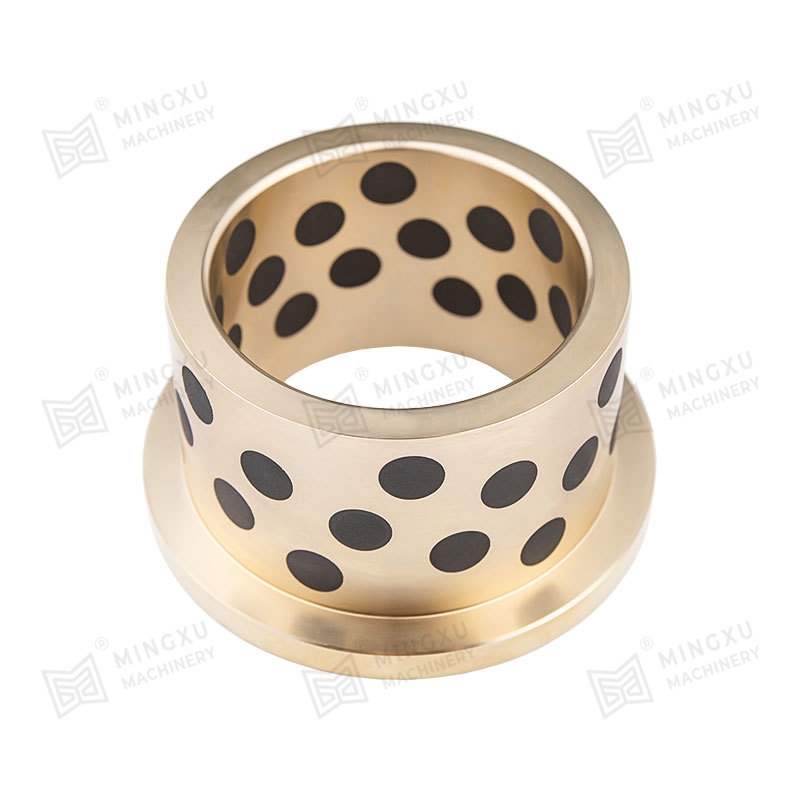
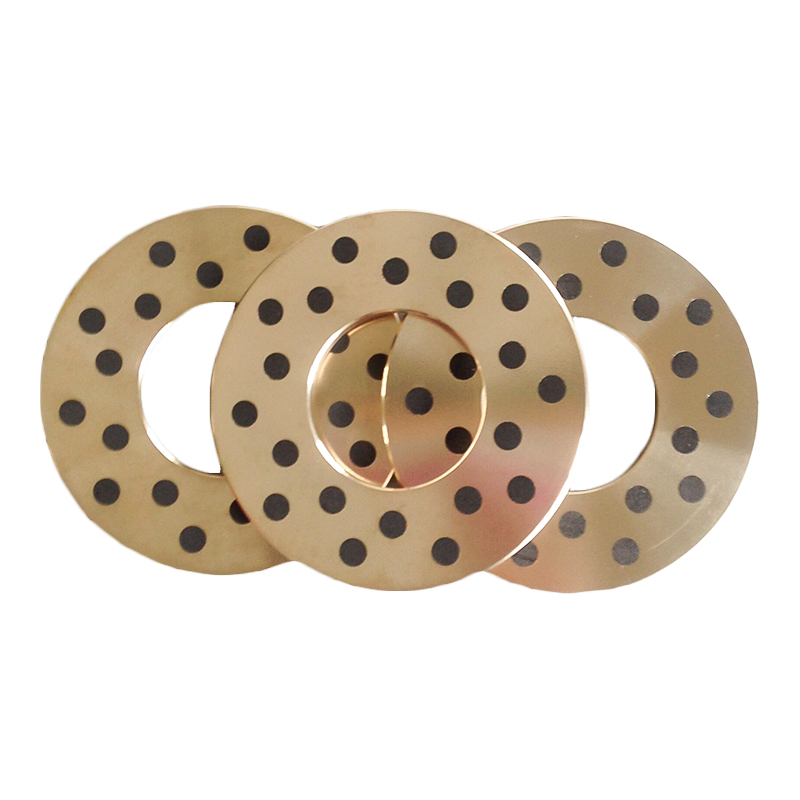
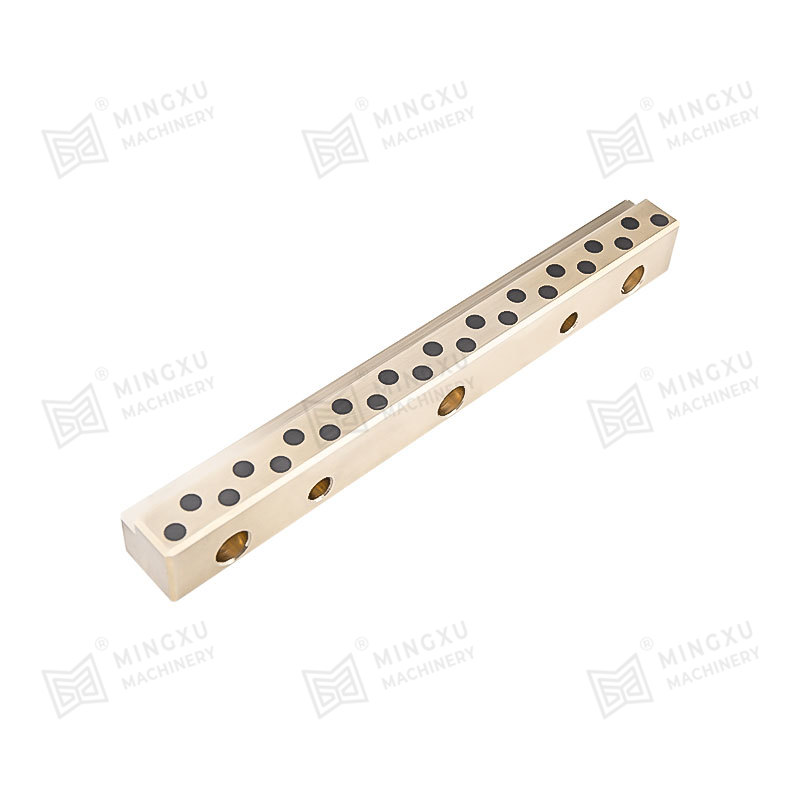
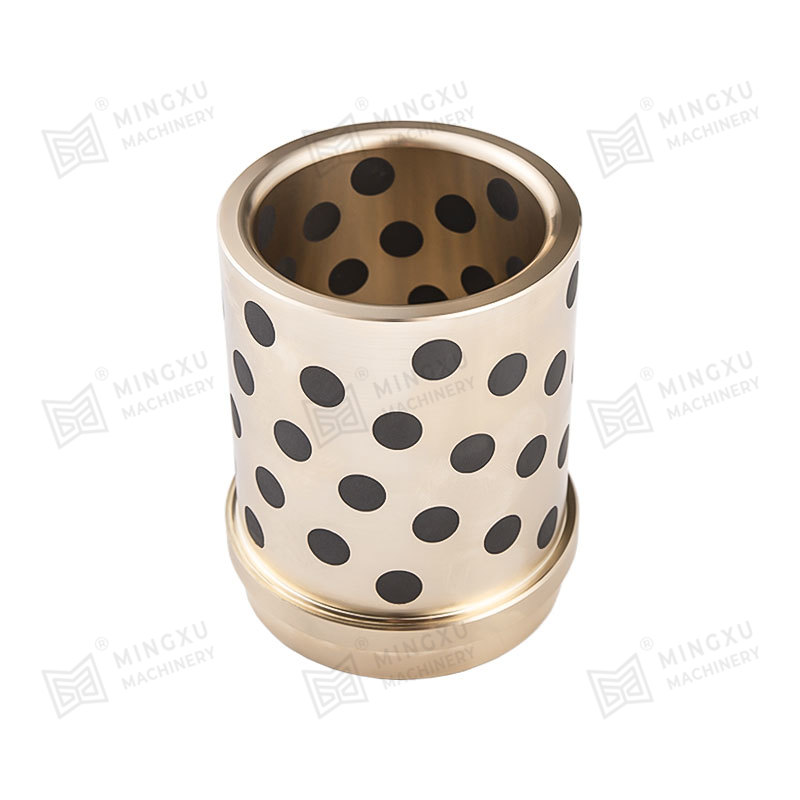
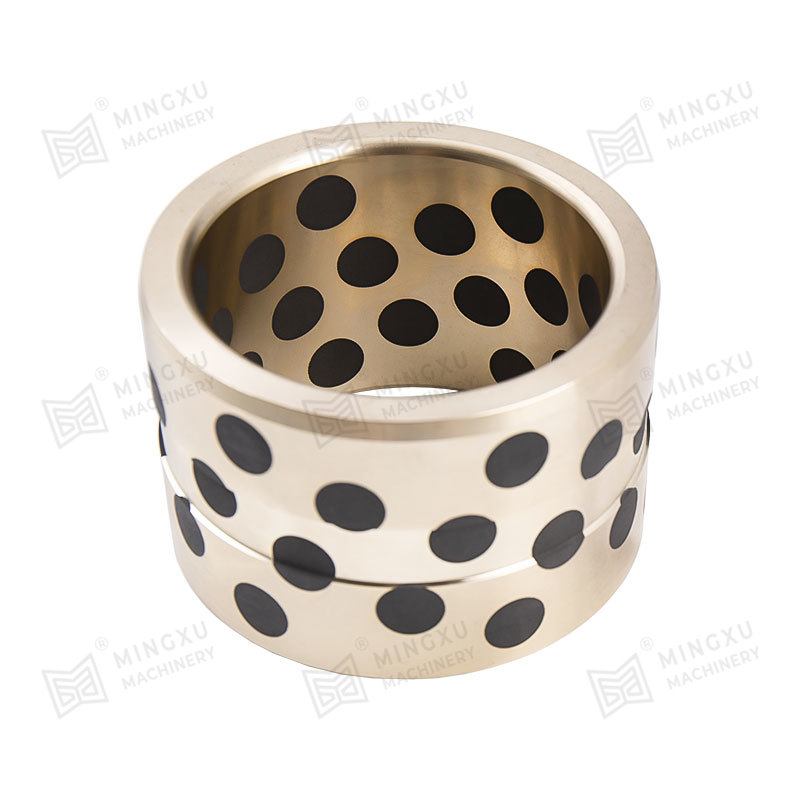
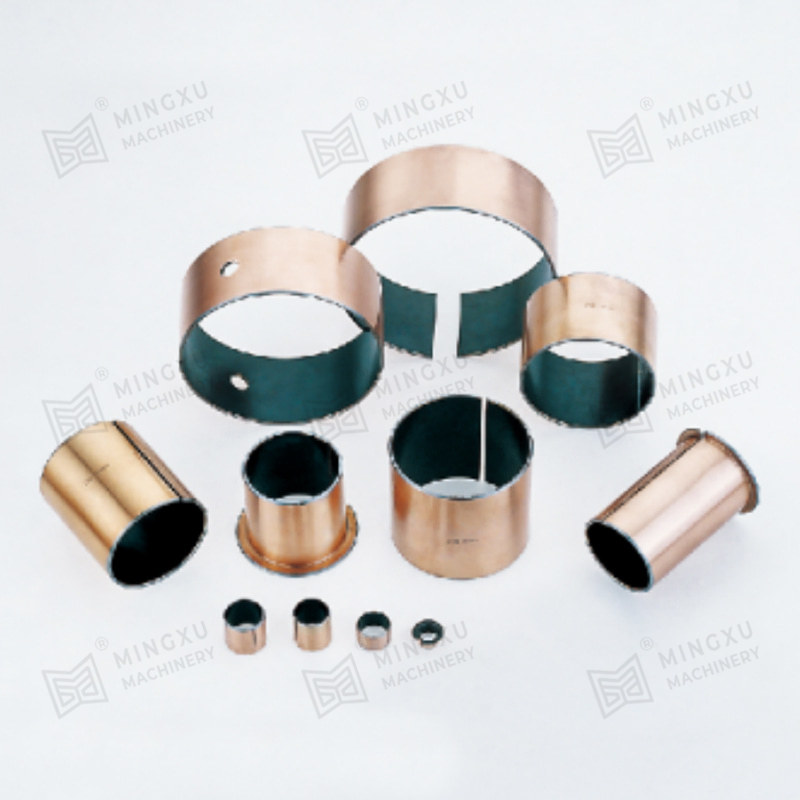
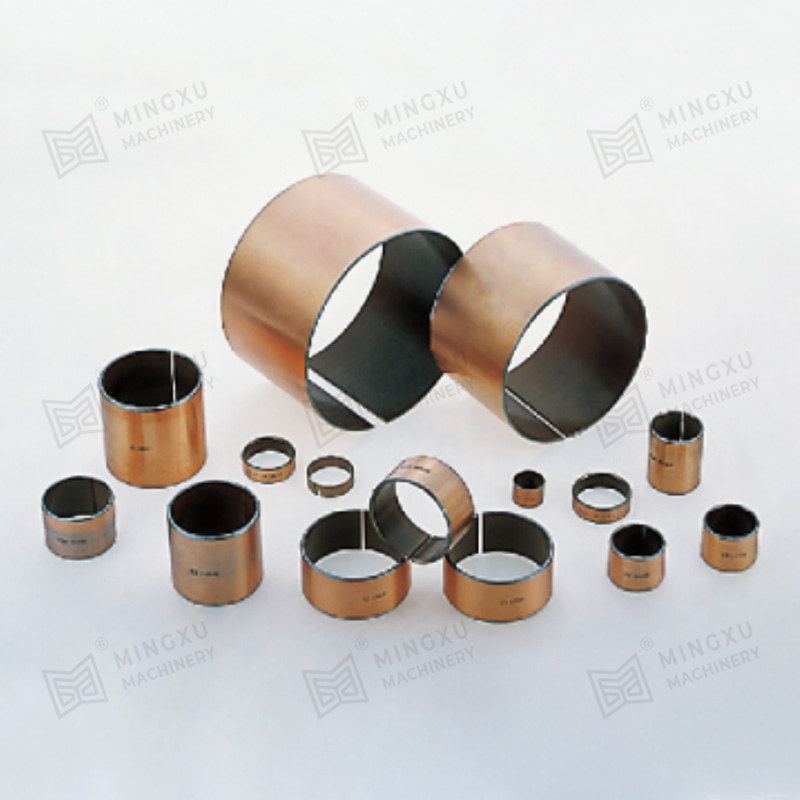
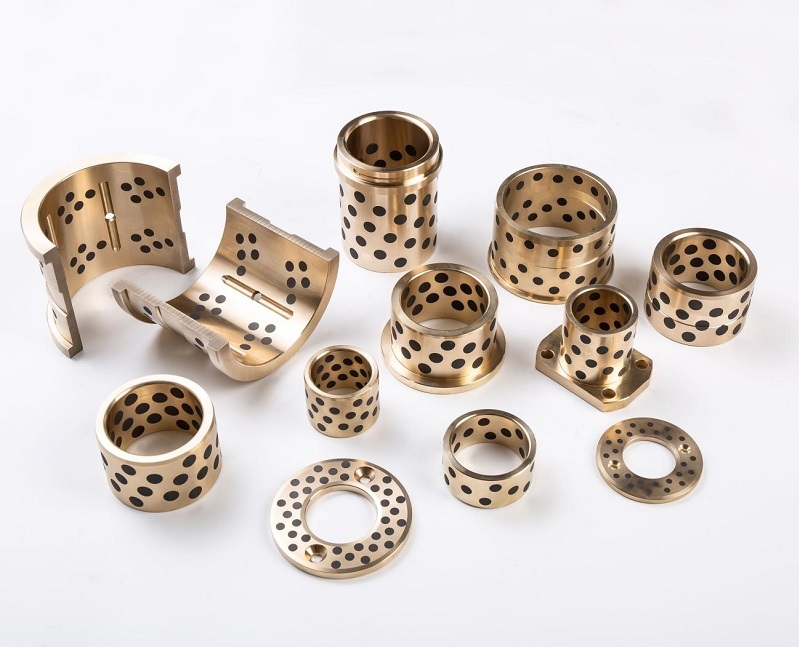
Maintenance-free bearings use diverse materials: precision steels with sealed grease, bronze or brass with embedded solid lubricants, PTFE-lined plain bearings, and advanced composites with self-lubricating fillers. Material choice impacts load capacity, wear resistance, temperature range, chemical compatibility, and electrical conductivity. Choose a material system that balances mechanical demands with environmental compatibility and life expectancy.
When to prefer polymer/composite bearings
Use polymer or composite bearings where low friction, dry-running capability, corrosion resistance, and the ability to tolerate marginal lubrication are prioritized over high-speed rolling element performance. These are common in food equipment, packaging machinery, and outdoor fixtures.
Wear Mechanisms and Expected Service Life
Understand dominant wear modes in your application—abrasive, adhesive, fatigue, or corrosive wear—and choose a maintenance-free bearing engineered to resist those modes. Manufacturers provide L10 or equivalent life estimates; translate these into calendar life under actual load and speed to check whether the bearing meets lifecycle targets. For critical equipment, consider scheduled inspections even for maintenance-free designs to verify performance.
Installation, Fit, and Mounting Considerations
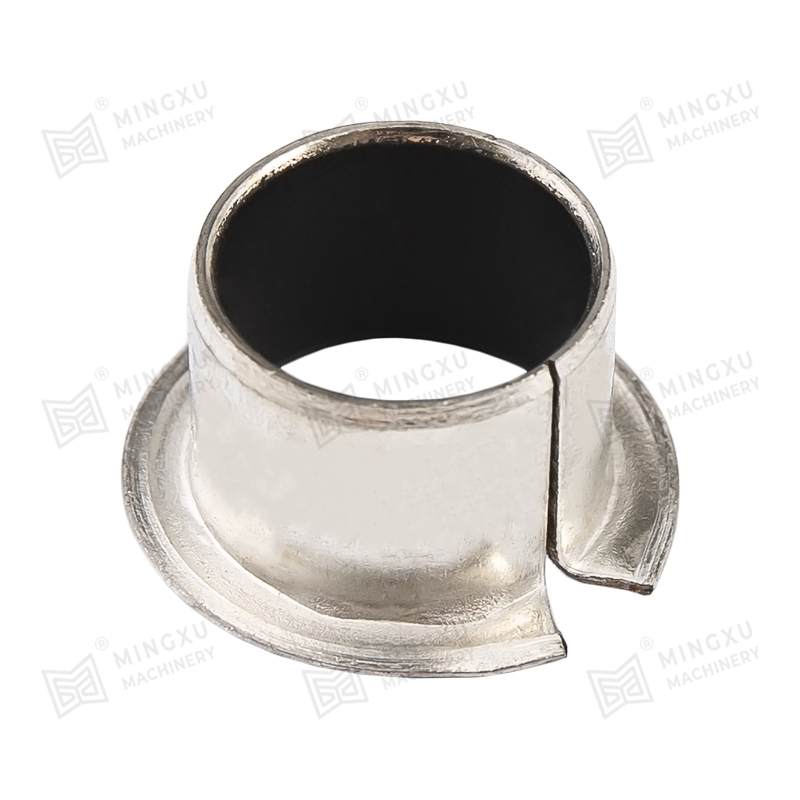
Correct fit is essential: interference or clearance fits, shaft finish, and housing tolerances affect preload, heat transfer, and service life. Maintenance-free bearings may include press-fit housings, flanges, or cartridges—confirm mounting recommendations and tolerances with the supplier. Improper installation is a common cause of premature failure even with maintenance-free systems.
Installation best practices
Use recommended mounting tools, control installation temperature when press-fitting, and ensure shaft straightness and surface finish. For plain self-lubricating bearings, follow break-in procedures if specified.
Standards, Certifications, and Supplier Data Sheets
Request manufacturer data sheets with dynamic and static load ratings, speed limits, permissible temperature range, material composition, and testing standards. Look for bearings tested to recognized standards (ISO, ASTM, DIN) and ask for test certificates for critical or high-volume orders. Verify warranty terms and failure modes covered by the supplier.
Cost, Total Cost of Ownership, and ROI
While maintenance-free bearings can reduce labor and lubrication costs, initial price and replacement intervals affect total cost of ownership. Compare the installed cost plus predicted replacement frequency to an equivalent maintainable bearing with scheduled relubrication. Factor in downtime costs, access difficulty (bearings in hard-to-reach locations justify maintenance-free premium), and environmental or contamination control savings.
| Cost Factor |
What to include |
Impact on decision |
| Initial bearing cost |
Unit price, shipping, spares |
Budget constraint vs performance |
| Maintenance savings |
Lubrication labor, lubricant cost |
Reduces recurring OPEX |
| Downtime risk |
Replacement time, access difficulty |
High for inaccessible bearings—favours maintenance-free |
Testing, Validation, and Field Trials
When possible, run a field trial or prototype test under realistic loads and environment to validate predicted life. Measure temperature rise, vibration, and wear after defined hours of operation. For mission-critical systems, include accelerated life testing or supplier-run endurance data to confirm the bearing meets lifecycle objectives.
Selection Checklist
Use the checklist below before final procurement to ensure all critical factors are addressed.
- Confirm static and dynamic loads with safety margin for shocks.
- Verify operating speed and thermal limits match the bearing’s ratings.
- Assess environmental exposure: dust, moisture, chemicals, corrosion risk.
- Choose material system appropriate for wear mechanisms and temperature range.
- Check mounting tolerances, shaft finish, and installation guidance from supplier.
- Request data sheets, test certificates, and warranty terms.
- Estimate total cost of ownership including replacement schedule and downtime impact.
Conclusion: Match Technology to Application, Not Hype
Maintenance-free bearings offer real advantages but must be selected with technical rigor. Evaluate loads, speeds, environment, materials, thermal behavior, and mounting precisely. Validate supplier claims with data sheets and, where feasible, field testing. When chosen and installed correctly, maintenance-free bearings reduce lifecycle costs and simplify operations—when chosen poorly, they can fail prematurely and increase total cost. Prioritize specification alignment to ensure reliable, long-term performance.




 English
 Español





Contact Us